
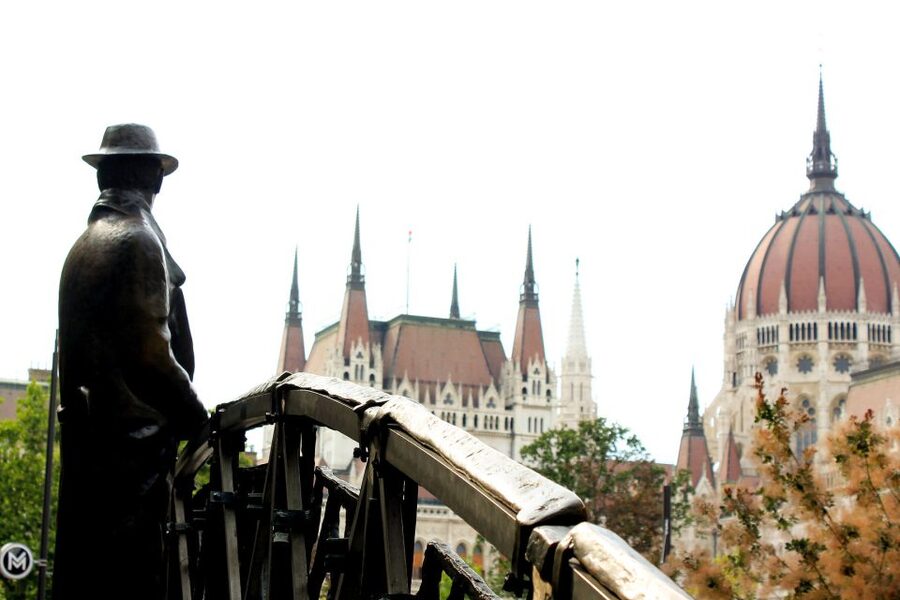
Reviewed · COMMUNIST HISTORY TOURS
Budapest: Hammer & Sickle Communism Walking Tour
The past still shapes Budapest. This 2.5-hour walk explains Hungary’s communist years through daily life, political pressure, and the 1956 Revolution. I like the focus on ordinary details, such as Trabant cars, passports, school, and workplace habits. I also like that the route reaches Parliament and Liberty Square, rather than stopping with a lecture indoors.
The main drawback is the price: $72 per person is a serious charge for a walking tour, especially when one past participant felt the experience was not worth $60. The quality also depends on the guide. Most ratings praise the clear, personable teaching, but one low score pointed to a talk that lacked sequence and energy.
- 1956 comes alive through a small exhibition about the uprising and its early protests.
- The route follows central Pest streets toward Parliament and Liberty Square.
- Everyday communist life gets equal billing with major political events.
- A licensed English-speaking guide leads the walk, with private and small-group formats available.
- A coffee, tea, or soft drink is included, adding a useful pause after the walking.
- The tour requires about two hours on foot, so good shoes and weather-ready clothing matter.
In This Review
- Why This Budapest Walk Is Different
- Meeting at Deák Ferenc Square
- Starting With Life Behind the Iron Curtain
- The 1956 Revolution and Its First Protests
- Walking Through Downtown Pest
- Liberty Square and the Last Soviet Monument
- Finishing Beside the Hungarian Parliament
- The Included Refreshment and Overall Value
- Who Should Book This Experience
- Should You Book the Communist History Walk?
- FAQ
- How long does the Budapest communist history tour last?
- What language is the tour offered in?
- Where does the tour meet?
- Is hotel pickup available?
- What sights does the route include?
- What is included in the price?
- Is the tour suitable for children?
- Is the walk suitable for people with mobility impairments?
- What happens if the weather is bad?
Why This Budapest Walk Is Different
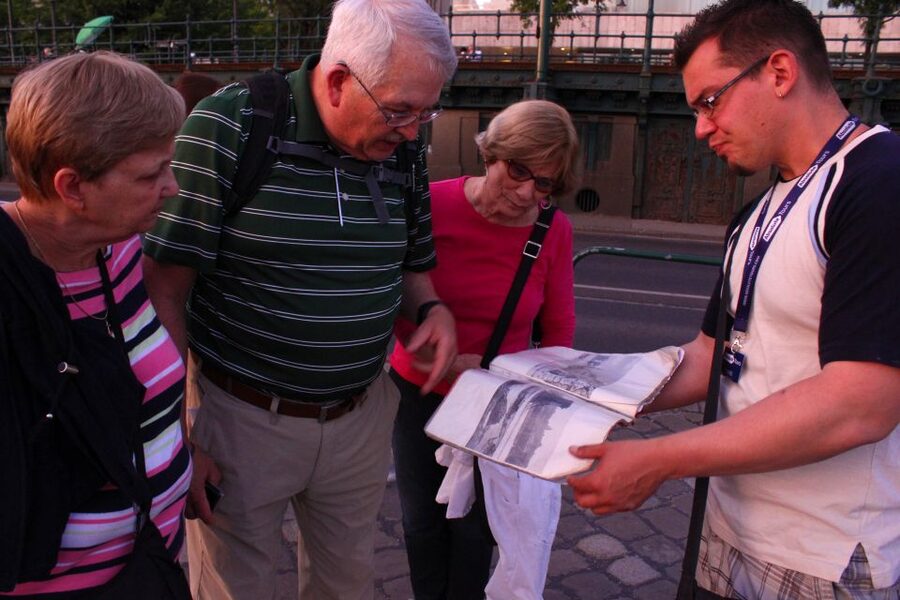
Many city history tours race from one famous building to another. This one uses central Budapest to explain how the city functioned under roughly 50 years of communist rule. You are not only hearing about governments and revolutions. You are also hearing what it meant to live with limited freedom, restricted travel, and the constant presence of the Iron Curtain.
I like that balance. Political history can feel distant when it is reduced to dates and leaders. Questions about getting a passport, attending school, or driving a Trabant make the period easier to understand. You begin to see communism as a system that shaped errands, ambitions, family life, and small choices.
The experience is offered in English with a licensed guide. You can book a private tour or join a small group, depending on availability. A small group may keep the cost more manageable, while a private format gives you more room to ask questions and set the pace of conversation.
The published rating is 4.3 from eight ratings. Most of the praise centers on guides who explain Hungarian history in a friendly, clear way. One guide named George received particular praise for making the subject interesting, along with the coffee and a traditional Hungarian dessert served at Trabant 60 on that earlier tour. Since guides can change, treat George’s name as a useful past reference rather than a promise that he will lead your departure.
Meeting at Deák Ferenc Square
The meeting point is easy to locate in central Pest: 1052 Budapest, Deák Ferenc tér 4, on the steps of the pale yellow Lutheran Church. This is Deák Ferenc Square, one of the city center’s main gathering points, so it is a practical place to begin a walking route.
You can also request pickup from a centrally located accommodation when booking. Pickup is optional, and the supplied details do not promise a citywide collection service. If you choose pickup, provide the accommodation information in advance. Otherwise, plan to reach the church steps yourself.
Arrive ready to walk. The tour lasts two and a half hours, with about two hours of continuous walking. That leaves some time for the refreshment, questions, and short stops, but this is not a ride-based sightseeing trip.
Wear comfortable shoes and clothing suited to the forecast. The tour operates in all weather conditions, so rain, cold, heat, or wind can affect how pleasant the walk feels. You will want a coat or rain layer when needed, since the historical discussion takes place along the streets and squares of Pest.
More communist-era history walks:
- Budapest: Communist History Tour with House of Terror Option
★ 4.8 · 182 reviews - Budapest: 3-Hour Walking Tour About Communism (Small Group)
★ 4.7 · 70 reviews - Communism in Hungary with a Historian
★ 5.0 · 70 reviews
Starting With Life Behind the Iron Curtain
The early part of the tour sets up the world of communist Hungary. Your guide explains what it was like to live behind the Iron Curtain, a useful phrase that can otherwise remain vague. The point is not only that Hungary belonged to a Soviet-aligned political system. You learn how that system affected movement, school, work, and access to information.
Passport rules are one of the most useful examples. The tour explains how residents negotiated the process of obtaining a passport, helping you understand that international travel was not simply a matter of booking a flight and packing a bag. School life offers another close-up view of how the state reached people from an early age.
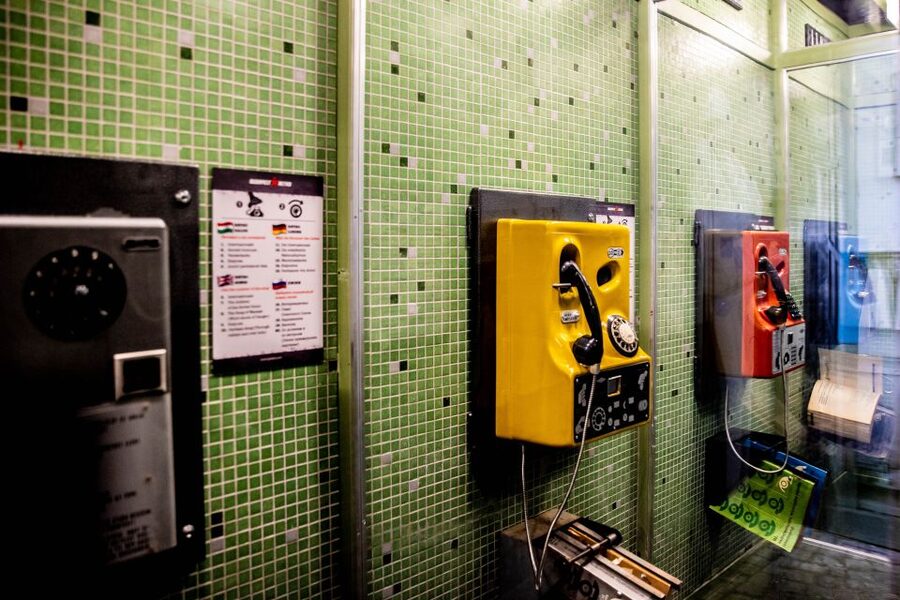
The stories about Trabant cars and drinking spirits at work add an unusual human touch. They are not presented as the whole story of communism, but they help show how people adapted to shortages, routines, and social habits. A Trabant is more than an old car in this setting. It becomes a symbol of the limited choices and practical compromises of the period.
I would pay close attention to this section if you already know the broad outline of Soviet-era Europe. You may have heard about the Iron Curtain, but the Hungarian examples give the idea a local shape. The tour works best when you ask questions about how official rules affected normal days.
The 1956 Revolution and Its First Protests
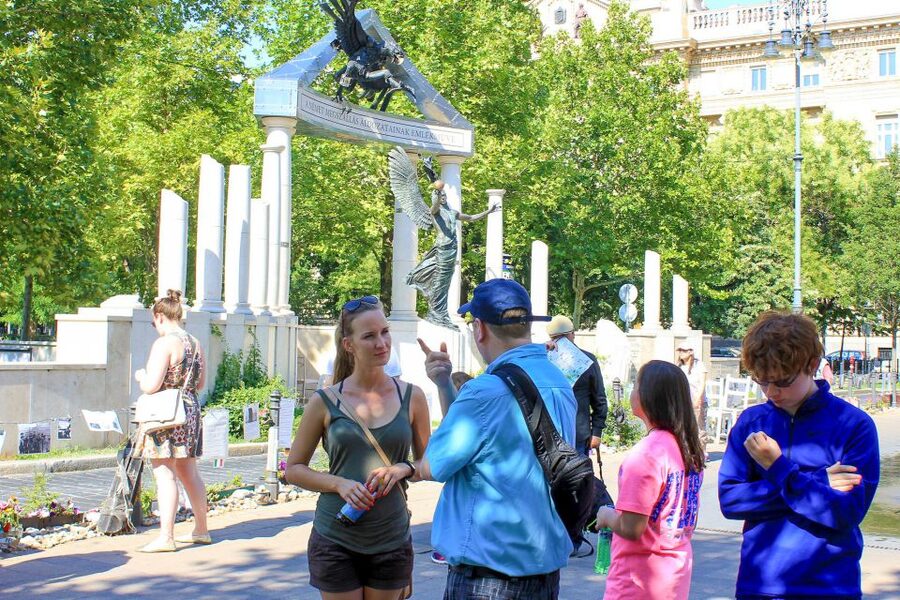
The 1956 Revolution is the emotional center of the walk. Hungary’s uprising began with protests against an unethical and repressive regime, and your guide explains the first demonstrations and the way resistance developed. The tour also covers the historical events that placed Hungary on the international map.
A small exhibition commemorates the revolution and its volleys. It is not described as a large museum visit, so set your expectations accordingly. You are visiting a focused display, not spending an afternoon in a major institution. Its value comes from placing the street discussion into a physical setting connected with the uprising.
This stop matters because 1956 can easily become a memorized date. The exhibition gives you a chance to pause and consider the risks taken by people who protested. The guide’s explanation is especially important here, since the meaning of the events depends on sequence: what came first, how the protests grew, and how the regime responded.
The most useful feedback about the tour praises guides who tell this story conversationally. One participant described the explanation as interesting and easy to follow, while another found the talk poorly ordered and lacking enthusiasm. That difference is worth keeping in mind. If you want a strongly structured political lecture, ask questions when the sequence becomes unclear.
The age recommendation also makes sense here. The tour is not advised for children under 14 because of the subject matter. A mature teenager may enjoy it, and one earlier family group said a guide kept an 11-year-old and a 17-year-old engaged, but that is not a guarantee for every child or every guide.
Walking Through Downtown Pest
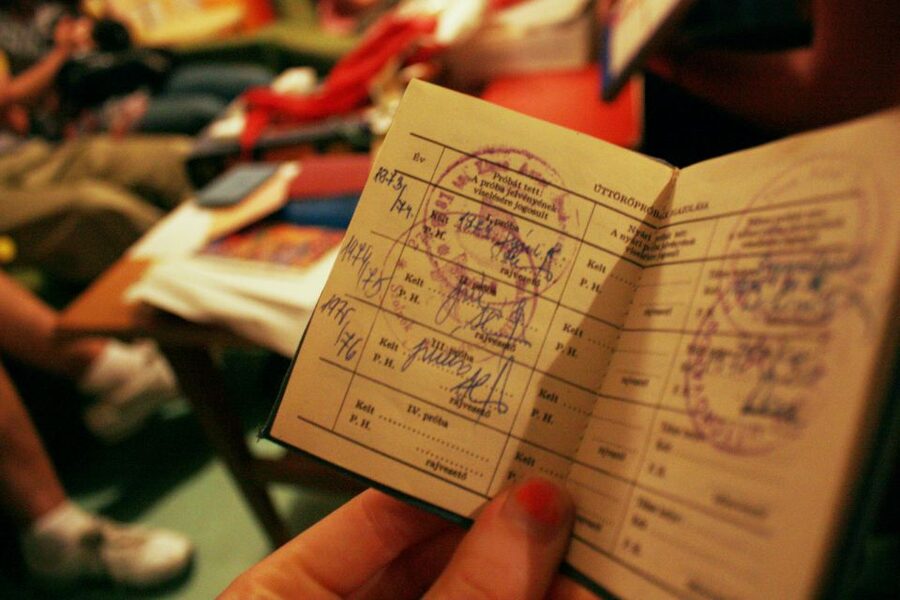
After the historical introduction, you follow smaller streets through downtown Pest. This helps connect political events with the city itself. Instead of viewing communism as a separate museum topic, you are walking through places where public action, official power, and daily life met.
Small streets can make the route feel more personal than a straight march between grand monuments. At the same time, a walking tour on city pavements means there may be traffic, uneven surfaces, or busy areas. The activity is listed as unsuitable for people with mobility impairments, and the two hours of continuous walking should be taken seriously.
The guide’s role is central. A strong guide can explain why a square mattered, connect a protest to later events, and answer questions about daily life. A weaker guide may simply recite dates. The rating pattern suggests that most people receive an informed and personable presentation, but you should choose a private or small-group option if personal interaction is important to you.
The supplied information does not promise entry into several major buildings. The focus is an outdoor route with the 1956 exhibition and a refreshment. You should book this for guided context, not for a long list of interior visits.
More walking tours:
- Budapest: Buda Castle Walk with Saint Stephen’s Hall
★ 4.5 · 3,012 reviews - Big Bus Budapest Hop-On Hop-Off Bus and Walking Tour
★ 3.5 · 2,206 reviews - Budapest: Buda Castle District Walking Tour
★ 4.6 · 2,108 reviews - Budapest City Landmarks Walking Tour in 2 Hours
★ 5.0 · 2,048 reviews
Liberty Square and the Last Soviet Monument
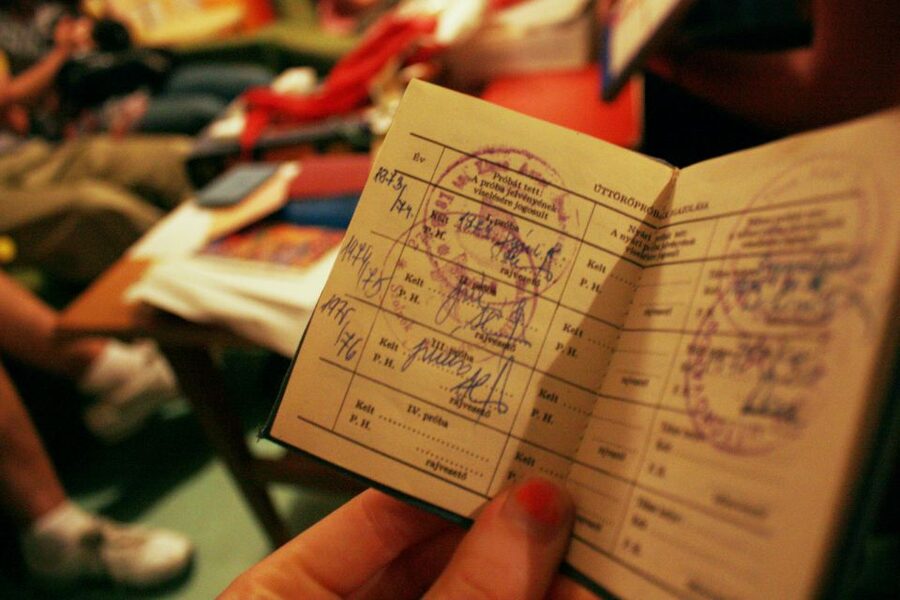
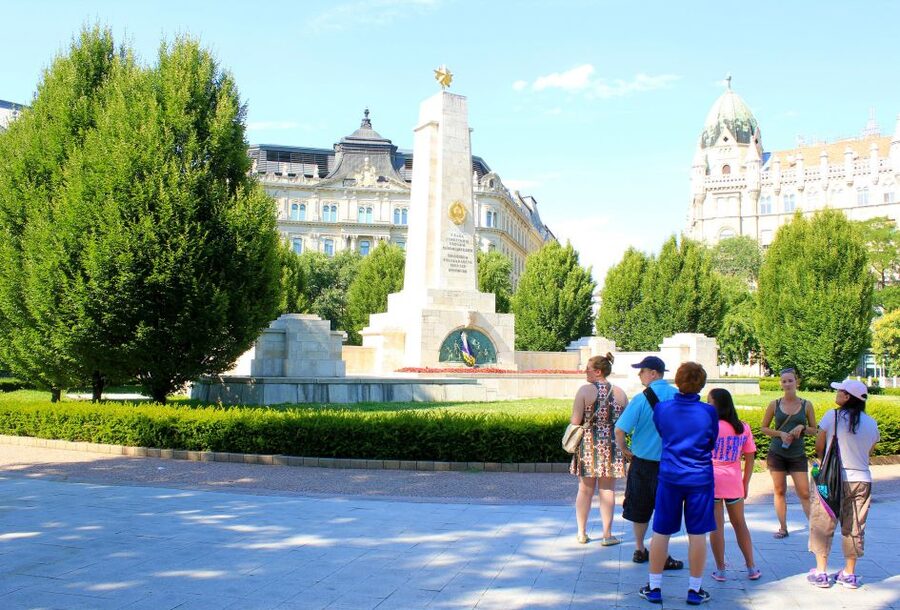
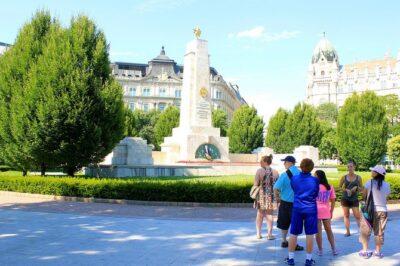
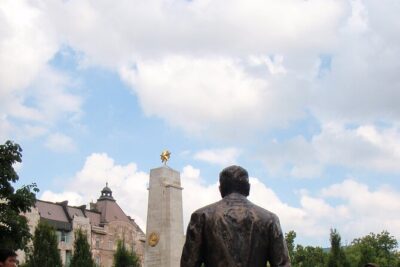
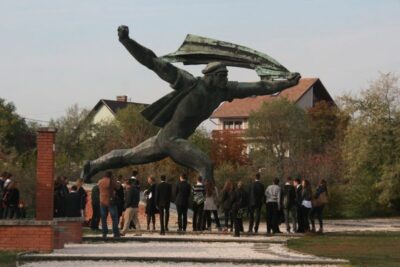
Liberty Square is one of the most important stops. Here you see the last Soviet monument in the route and hear how the area fits into Hungary’s difficult twentieth-century story. The square creates a strong contrast between the language of liberty and the physical reminder of Soviet power.
This is where the tour’s themes come together. You have heard about passports and school, the 1956 protests, and the pressures of life behind the Iron Curtain. Now you are standing in a public place marked by the legacy of that system.
I value stops like this because they leave you with something concrete to remember. A guide can explain political change in abstract terms, but a monument in a city square gives the discussion a fixed point. You can look closely, ask questions, and consider how different periods are represented in the same public space.
The stop may also appeal to visitors who want more than a standard list of Budapest sights. The monument is not simply a photo opportunity. It is part of an ongoing argument about memory, power, and national identity. The tour presents the historical background so you can interpret the site with more care.
Finishing Beside the Hungarian Parliament
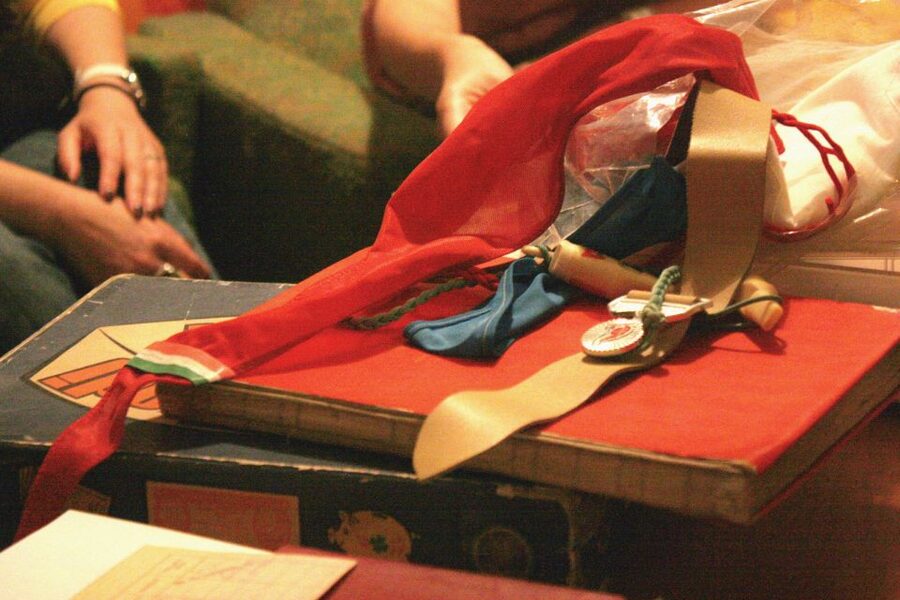
The walk continues to the square of the Hungarian Parliament. Parliament is one of Budapest’s most recognizable buildings, but this tour uses it for political context rather than only architecture.
Ending near Parliament gives the route a clear sense of direction. You move from ordinary communist routines and early protests toward one of Hungary’s main centers of government. The location helps connect the old regime to the country’s wider political story.
Do not expect the tour to provide a full Parliament interior visit unless your booking separately states that. The listed experience is a walking route to the Parliament area, not a dedicated building tour. That distinction matters if your main goal is to see the interior.
The finish also makes practical sense for the rest of your day. Parliament sits in central Budapest, and the route begins at Deák Ferenc Square, so the activity stays within the city center rather than spending time on long transfers. No hotel drop-off is included, although optional pickup can be requested from centrally located accommodation.
The Included Refreshment and Overall Value
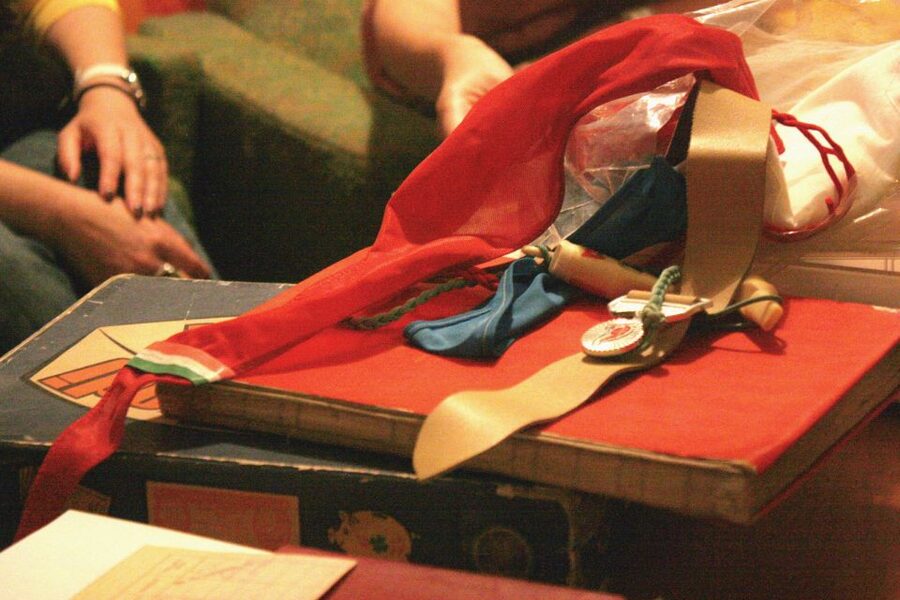
A coffee, tea, or soft drink is included. The drink is a modest benefit, but it matters after two hours on foot. One past participant also praised a traditional Hungarian dessert at Trabant 60, though that detail is not listed as a guaranteed part of the current experience. Do not book expecting the dessert unless the provider confirms it.
At $72 per person, this is priced above a basic group walking tour. I would judge the value by the guide and the group format. A private or genuinely small group can make the price reasonable if you want to ask questions and receive a tailored explanation. For two people or a family, the total cost rises quickly, so compare it with a general Budapest history tour before booking.
The tour is more likely to earn its price for someone with a real interest in twentieth-century Europe, political memory, or Hungarian history. It is less convincing for someone who only wants a quick introduction to Budapest landmarks. The route includes major sights, but the main product is interpretation.
The strongest praise centers on guides who are personable, clear, and well prepared. That is exactly what you need for a subject with many dates, political changes, and sensitive details. The lower rating warns you that presentation can vary. If possible, choose a time and group format that allows direct discussion.
Free cancellation up to 24 hours before the start and reserve-now, pay-later booking reduce the risk of committing too early. Those policies are useful if your Budapest schedule is still changing, but they do not change the central question: are you willing to pay $72 for a focused history walk?
Who Should Book This Experience

I would recommend this tour to adults and older teenagers who want to understand how communism shaped Hungary beyond official speeches and monuments. It suits you if you enjoy walking, asking historical questions, and connecting large political events with ordinary routines.
It is also a good choice if you have already seen Budapest’s major sights and want a more specific subject. Parliament and Liberty Square give you familiar places, while the stories about passports, school, Trabants, and work add a different layer.
I would be more cautious if you have mobility limitations, dislike long walks, or want a lighthearted sightseeing outing. The subject can be serious, and the tour operates in all weather. Children under 14 are not considered suitable for the experience.
Should You Book the Communist History Walk?
Book it if Hungary’s communist era is a priority and you want a guide-led explanation rather than a self-guided walk. The 1956 exhibition, Liberty Square Soviet monument, and Parliament route create a strong two-and-a-half-hour framework, while the everyday stories keep the history grounded.
Think twice if $72 feels high for a walking tour or if your main interest is architecture. The value depends heavily on the guide, and one poor rating points to a talk that felt disorganized and flat. A private or small-group booking gives you the best chance to ask questions, but it also requires a larger budget.
For the right audience, this is a useful and serious introduction to the Budapest that existed before the country you see today. Bring good shoes, dress for the weather, and arrive ready to listen as much as to look.
FAQ
How long does the Budapest communist history tour last?
The tour lasts 2.5 hours. About two hours involve continuous walking.
What language is the tour offered in?
The live tour guide leads the experience in English.
Where does the tour meet?
Meet at 1052 Budapest, Deák Ferenc tér 4, in front of the pale yellow Lutheran Church, on the church steps.
Is hotel pickup available?
Optional pickup may be requested from centrally located accommodation. You can also meet the guide at Deák Ferenc Square.
What sights does the route include?
The route passes through downtown Pest and continues to the Hungarian Parliament and Liberty Square, where you see the last Soviet monument. It also includes a small exhibition about the 1956 Revolution.
What is included in the price?
A licensed expert guide and one refreshment are included. The refreshment can be coffee, tea, or a soft drink.
Is the tour suitable for children?
The experience is not recommended for children under 14 because of the subject matter.
Is the walk suitable for people with mobility impairments?
No. The activity is listed as unsuitable for people with mobility impairments and includes about two hours of continuous walking.
What happens if the weather is bad?
The tour operates in all weather conditions. Bring comfortable shoes, comfortable clothing, and weather-appropriate layers.
Just added around Budapest
- Lake Balaton and Herend Guided Tour★ 4.7 · 3 reviews
- Audio visual multi-sensory chefs journey dinner experience★ 5.0 · 3 reviews
- Hollókő Ethnographic Village: Day Tour from Budapest★ 3.7 · 3 reviews
- Tapolca Cave Lake and Tihany/ Balaton private tour from Budapest★ 4.5 · 3 reviews
- Budapest Art Nouveau Walking Tour★ 5.0 · 3 reviews
- SzentEndre-SaintAndrew City Privately Shopping and Picturesque★ 4.5 · 3 reviews
- Budapest Drinks and Piano Show Cruise★ 4.5 · 3 reviews
- Horseshow on the Hungarian Puszta, private tour from Budapest with entry!★ 5.0 · 3 reviews
Communist History Tours, compared.
Communist History Tour with House of Terror Option
What we thought →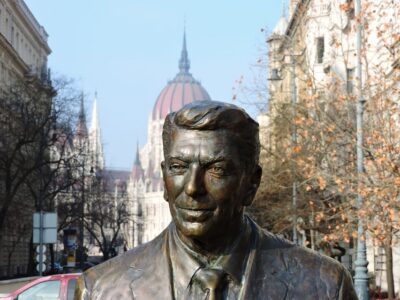
3-Hour Walking Tour About Communism (Small Group)
What we thought →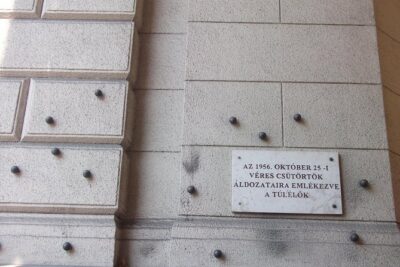
Lives of Hungarians Under Communist and Capitalist system
What we thought →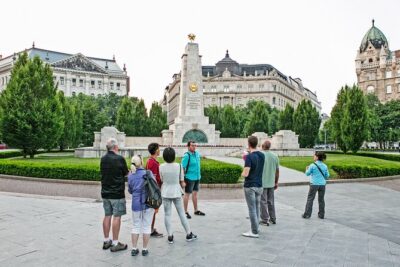
Private Budapest Hammer & Sickle Communist Times Tour
What we thought →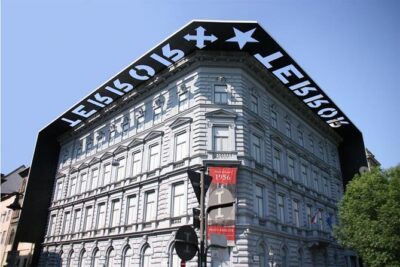
Browse the lists this tour appears in