
Reviewed · COMMUNIST HISTORY TOURS
Budapest: Communist History Tour with House of Terror Option
The past is still visible in Budapest. This two-hour Communist History Tour connects Parliament, Liberty Square, the 1956 uprising, and Cold War sites with clear explanations from an English-speaking local guide. I like the small groups of up to 10 and the choice between the playful Budapest Retro Center and the sobering House of Terror Museum. The main drawback is that the experience can feel emotionally heavy, and the House of Terror option requires careful attention to which format you book.
I also like that the walk deals with Hungary’s 45 years under Soviet military occupation through real places, not just dates in a museum. Guides such as Alexandra, Flora, Bea, Noémi, Kati, and Veronika have been praised for clear explanations, personal insight, and patience with questions. If you have limited walking ability or are feeling unwell, the pace may still be demanding, since one guest had to sit out part of the route.
In This Review
- Key points before you book
- Why Budapest’s Communist past works best as a walking tour
- Parliament to Liberty Square: monuments with two messages
- Cold War Budapest and the hidden nuclear bunker
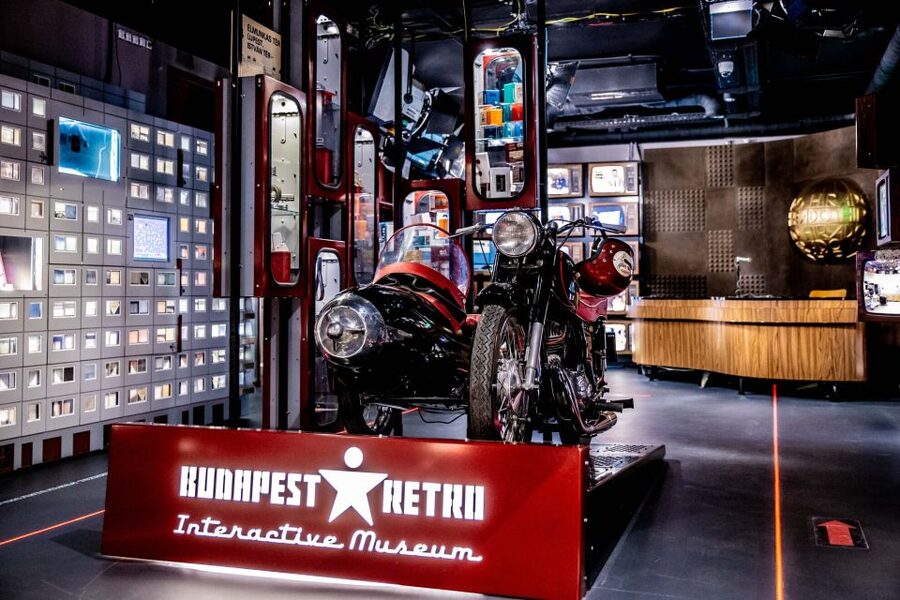
- Morning choice: the Budapest Retro Center
- Afternoon choice: the House of Terror Museum
- A guided House of Terror visit versus exploring alone
- The guides are the main reason to pay
- Who should book this Budapest history experience?
- FAQ
- How long does the Communist History Tour last?
- What museums can I choose from?
- Is the tour conducted in English?
- How large is the tour group?
- Where does the tour meet?
- Is the guide employed by the House of Terror Museum?
- Should you book it?
Key points before you book
- Two different endings: Choose the morning tour with the Budapest Retro Center, or an afternoon option connected with the House of Terror Museum.
- A history walk through central Budapest: The route begins at Parliament and includes Liberty Square, the Soviet Liberation Memorial, Cardinal Mindszenty’s exile windows, Cold War bunker vents, and 1956 revolution sites.
- A very small group: The maximum group size is 10, with some departures forming a private-feeling group of only two or three people.
- A guide adds real value: The best part is the explanation between sites, especially when guides share family memories of life under Communist rule.
- The Retro Center is lighter in tone: Expect period homes, vehicles, Soviet-Hungarian spaceflight displays, and interactive exhibits from the 1960s to the 1980s.
- The House of Terror is serious: It covers Nazi rule, Communist dictatorship, prison cells, political trials, deportations, labor camps, and the 1956 uprising.
Why Budapest’s Communist past works best as a walking tour
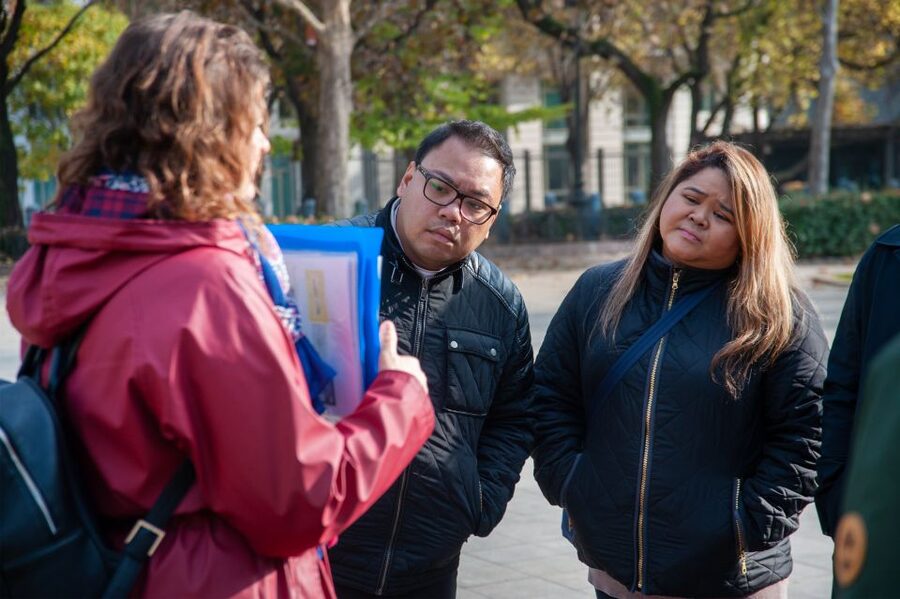
Budapest’s Communist story is not confined to one building. It appears in monuments, public squares, apartment windows, government offices, and places connected with protest. That is why I find the opening walk more useful than simply entering a museum cold.
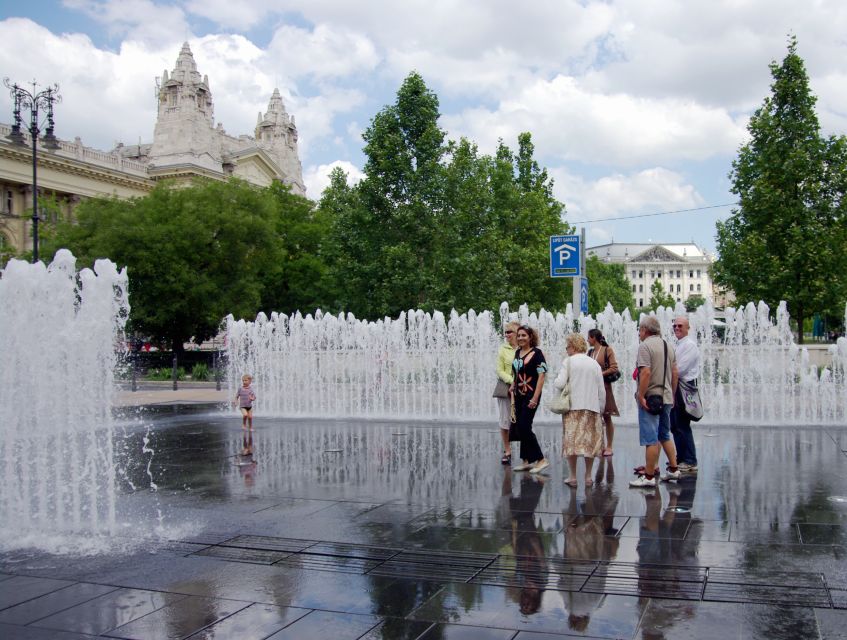
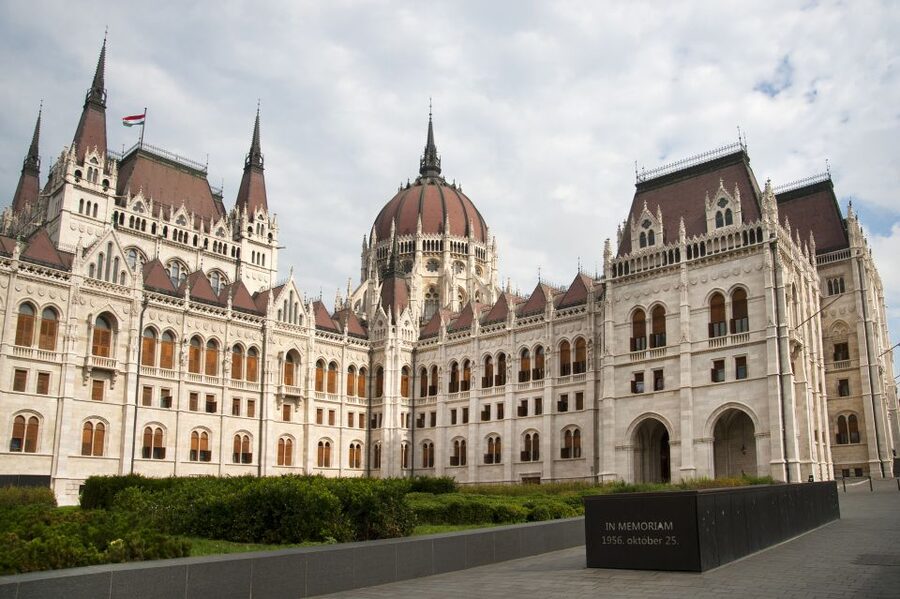
You begin near the Hungarian Parliament, one of Budapest’s grandest buildings. Here, the modern city and the difficult 20th century meet in the same view. The guide sets the period in context, explaining Hungary’s long Communist era under Soviet military occupation and pointing out a monument to victims of the Red dictatorship.
This opening matters because the tour is not only about political leaders. It is also about ordinary people living with censorship, fear, shortages, surveillance, and political pressure. The guide’s job is to connect the public setting in front of you with the private memories that often stayed unspoken for decades.
The strongest guides bring a Hungarian point of view without turning the walk into a lecture. Veronika and Adam, for example, have been praised for sharing personal memories of growing up under the Communist system. That sort of detail can help you understand why older Hungarians may remember the same period with a mixture of fear, anger, practical compromise, and even nostalgia for certain everyday routines.
More communist-era history walks:
- Communism in Hungary with a Historian
★ 5.0 · 70 reviews - Budapest: 3-Hour Walking Tour About Communism (Small Group)
★ 4.7 · 70 reviews - Budapest Hammer & Sickle Communist Times Tour
★ 4.5 · 68 reviews
Parliament to Liberty Square: monuments with two messages
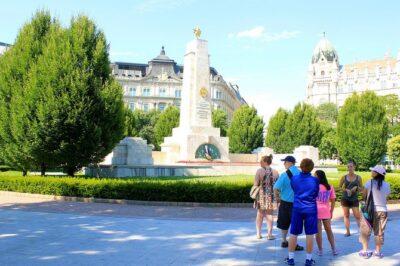
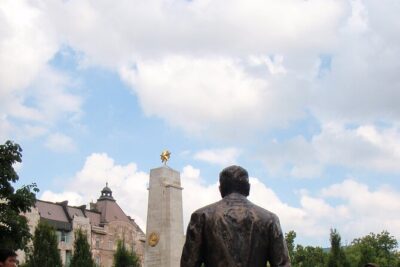
The route continues toward Liberty Square, where the Soviet Liberation Memorial remains in its original location. It is one of the last Communist monuments in Budapest still standing where it was first placed.
That makes the site particularly useful. You are not looking at a symbol removed to a distant museum park. You are seeing it in the middle of the city, surrounded by later layers of Hungarian public life. The guide explains why the monument remains controversial and how its meaning has changed since the end of Communist rule.
The square also helps explain the complicated position Hungary occupied after the Second World War. The country’s political system changed under Soviet pressure, and the new order reached far beyond government offices. It affected churches, schools, workplaces, newspapers, and family life.
You will also hear about Cardinal József Mindszenty, the anti-Communist Catholic Church leader who spent many years in exile inside the American Embassy. The famous windows connected with his exile are an unusual stop. They show how international politics, religion, and Hungarian resistance came together in one very visible location.
This section of the tour is especially good for anyone who wants more than a simple good-versus-bad account. The guide can explain the difference between public loyalty to the regime and private beliefs held at home. That distinction is central to understanding the period.
Cold War Budapest and the hidden nuclear bunker
One of the more unusual details on the walk is the ventilation system connected with a secret underground nuclear bunker built during the Cold War. You do not simply visit a famous monument here. You look for physical traces of a military age when governments prepared for a conflict that most citizens hoped would never happen.
The ventilation channels are easy to overlook without a guide. They are a good example of how this tour works: you walk through a normal-looking part of central Budapest, then learn that it also carries a hidden Cold War story.
I would not book this experience expecting a full bunker visit. The information provided describes seeing and exploring the ventilation channels, not an extended underground museum tour. Still, the stop adds a useful practical dimension to the political history. It reminds you that the Cold War was not only about speeches and borders. It shaped buildings, emergency plans, and city infrastructure.
The guide also points out places linked with the Hungarian anti-Soviet revolution of 1956. This is one of the emotional centers of the walk. You learn where the uprising unfolded and how its defeat affected the country afterward.
For anyone studying the Cold War, this part is a major reason to book. For a first-time visitor to Budapest, it explains why the city’s modern political identity cannot be understood without 1956 and 1989.
Morning choice: the Budapest Retro Center
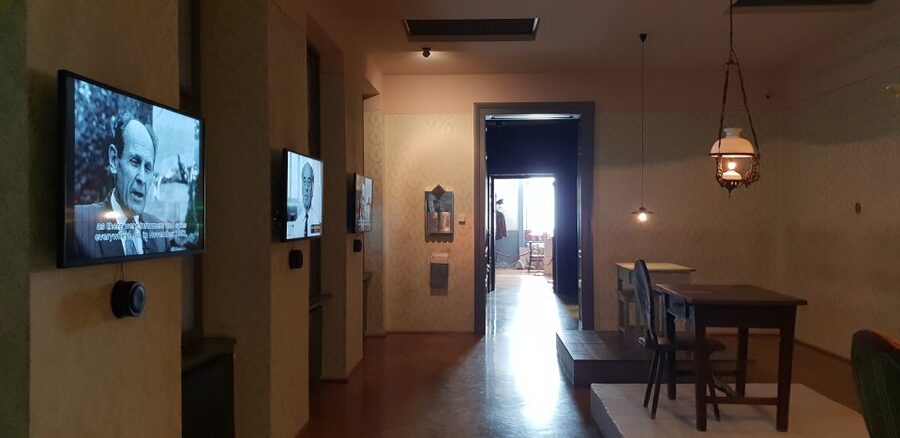
If you choose the morning walking tour, the route is followed by a guided visit of about one hour at the Budapest Retro Center. This is the more relaxed and playful ending.
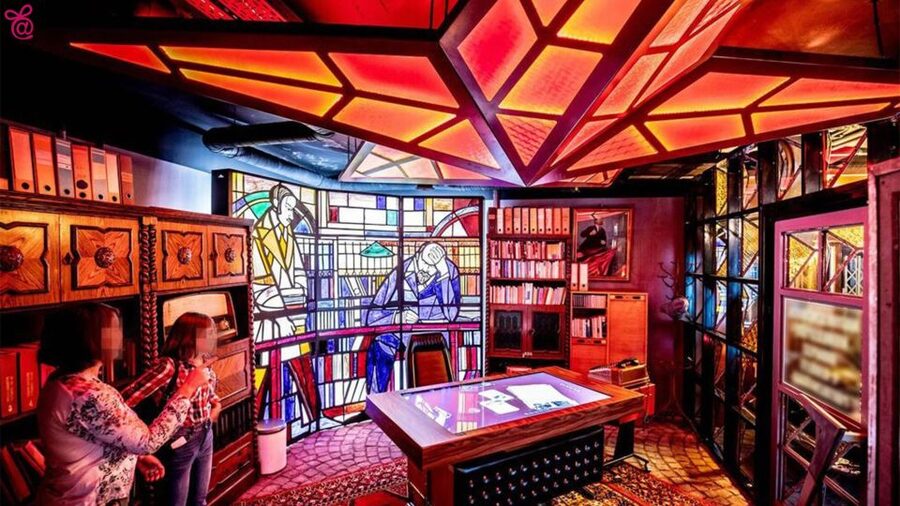
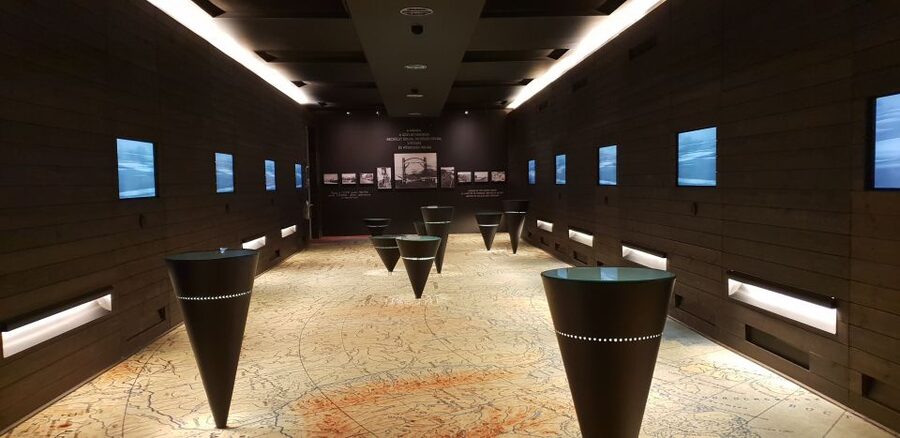
The exhibition covers the 1960s through the 1980s and is arranged across three floors. You can expect street scenes, period vehicles, home interiors, thousands of everyday objects, and displays connected with the Soviet-Hungarian space flight.
The value of this museum is its ordinary detail. Political history can feel distant when it is reduced to leaders and institutions. A kitchen, television set, car, school object, or household product shows how the system appeared in daily life.
The tone is deliberately lighter than the House of Terror. You can dress as a Communist-era comrade or try presenting a television news broadcast from the period. That playful approach will not suit everyone, especially directly after hearing about imprisonment and repression. But it gives you a chance to consider the era through material culture and humor.
I would choose the Retro Center if you want a broader, less grim look at Communist Hungary. It suits families, visitors who enjoy design and old technology, and anyone who wants to understand what daily life looked like between the major political crises.
Do keep the timing in mind. The overall activity is listed as two hours, while the Retro Center visit itself is described as one hour after the walking section. Check the departure details carefully so you understand how the walking tour and museum visit fit together.
More history-led tours:
- Budapest: Historic Cruise with Welcome Drink
★ 4.7 · 6,512 reviews - Budapest Historical Sightseeing – Free Walking Tour
★ 5.0 · 1,302 reviews - Buda Castle District Dark History, Legends and Vampire Night Tour
★ 4.5 · 1,240 reviews - BloodThirsty Hungary: Walking tour & Dark Historical Stories
★ 4.9 · 633 reviews
Afternoon choice: the House of Terror Museum
The afternoon option adds a ticket to the House of Terror Museum. This is the darker and more intense choice.
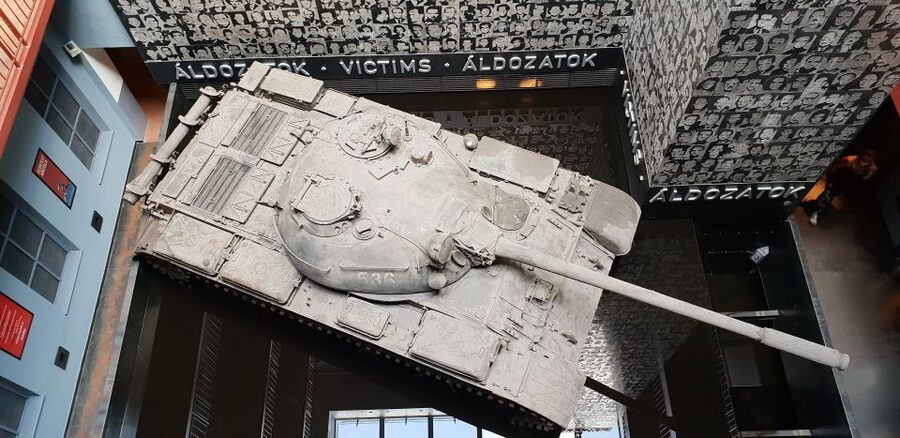
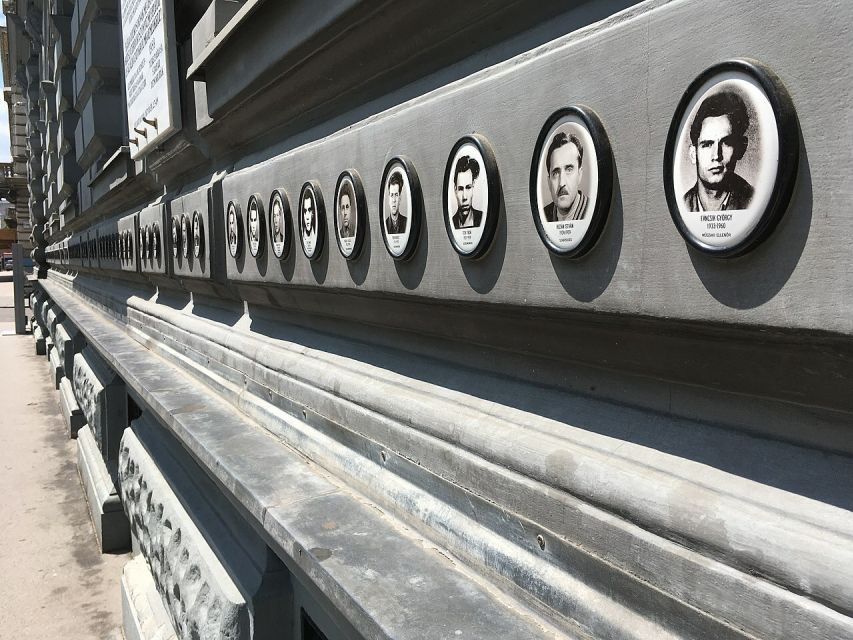
The museum occupies the former headquarters of the ÁVO State Protection Police, Hungary’s version of the Soviet secret police. The building was restored as a memorial to victims of the Nazi and Communist dictatorships, and the exhibits examine both periods rather than treating Communist rule as an isolated event.
The House of Terror route covers the transition from the Second World War and Nazi rule to Soviet occupation and Communist control. You will hear about the economy and daily life of the 1950s, political trials, mass deportations, labor camps, interrogations, and torture cells.
The former director’s office and prison areas give the museum a strong physical impact. This is not a light museum visit. Some sections can be disturbing, so I would not choose it for a young child or anyone who prefers a gentle introduction to history.
The afternoon walking tour and House of Terror visit are not quite the same as the guided museum option. In one format, you receive an additional ticket and visit the museum on your own. In the other, the guide accompanies you through the museum and explains the exhibits.
That distinction is important. The museum contains a lot of material, and it can be difficult to judge which displays matter most if you are unfamiliar with Hungarian history. Several guides, including Alexandra, Noémi, and Flora, have been praised for making the museum easier to understand and for answering detailed questions.
One guide extended a visit by about half an hour so the group could see and discuss more of the relevant exhibits. That is not something you should assume will happen every time, but it shows why a guide can make a major difference here.
A guided House of Terror visit versus exploring alone
If your main goal is the House of Terror, I would favor the guided museum option rather than relying only on the ticket. The building is powerful, but its story is complex. Without context, you may remember the rooms and machinery more clearly than the sequence of events.
A guide can explain how Nazi rule, Soviet occupation, Communist consolidation, and the 1956 revolution connect. You also have someone to ask about terms, dates, and the difference between the various political police organizations.
The guided format has another benefit for English speakers. One guest described the tour as opening up parts of the museum that would otherwise have been difficult to understand. That is a fair reason to pay for the guide, particularly if English is not your first language.
Still, an independent museum visit may suit you if you prefer to read at your own speed and pause often. The choice comes down to how much interpretation you want. The ticket alone gives you access, but the guide provides the framework.
The tour is not provided by the museum itself. Your guide is an independent professional, so you should meet the guide at the stated location and receive the museum ticket directly from that person. Do not wait in the museum ticket office looking for a separate booking.
The guides are the main reason to pay
At $58 per person, this is not the cheapest way to spend two hours in Budapest. The value depends on how much you want interpretation rather than simple entry to a museum.
You are paying for a live English-speaking guide, a small group, the central walking route, and admission to either the Retro Center or the House of Terror, depending on the option. If you already know the history and only want to look around a museum, the price may feel high.
If you want to understand what you are seeing, the cost makes more sense. The guide turns a Soviet memorial into a political question, a window into a story of exile, and a bunker vent into a clue from the Cold War.
The small group limit of 10 is another practical advantage. Several departures have been close to private tours, with only two or three people attending. That gives you more room to ask questions and can make difficult subjects easier to discuss.
Guide quality can vary from one departure to another, as it does with any experience built around individual people. The names most often associated with strong visits include Alexandra, Flora, Bea, Noémi, Kati, Veronika, Naomi, and Adam. Their strengths include clear English, personal stories, patience, and an ability to adjust explanations to the group.
One particularly useful detail is the care shown toward different needs. A guide slowed the explanation until guests using walking aids had caught up. Another handled a group speaking both English and Hungarian. You should not assume every departure will be identical, but these examples suggest that the small-group setup allows some flexibility.
Who should book this Budapest history experience?
I would recommend this tour if you are interested in:
- Cold War Europe and the 1956 Hungarian revolution
- The connection between Nazi rule and later Communist dictatorship
- Personal accounts of life under a one-party system
- Political monuments and public spaces
- A guided House of Terror visit
- A small group with plenty of time for questions
It is also a strong choice if you have Hungarian family connections. Several people have used the tour to understand what parents or grandparents experienced, and the guides have handled emotional moments with care.
I would be more cautious if you want a cheerful sightseeing walk. The subject includes occupation, repression, interrogation, torture, deportation, and political imprisonment. Even the lighter Retro Center follows a serious historical walk.
Wear comfortable shoes and be ready to spend much of the experience on foot. The route is described as a walking tour across central Budapest, and one guest who was ill found it hard to keep up. If you have mobility concerns, contact the provider before booking and ask which option and meeting point will work best.
FAQ
How long does the Communist History Tour last?
The listed duration is two hours. The morning option also includes a guided visit of about one hour at the Budapest Retro Center, so check the selected departure details carefully.
What museums can I choose from?
You can choose the Budapest Retro Center or the House of Terror Museum, depending on the option you book. Some House of Terror departures include a guided museum visit, while another format provides a ticket for you to explore independently.
Is the tour conducted in English?
Yes. The live guide language is English.
How large is the tour group?
The group is limited to 10 participants. Some departures may be much smaller.
Where does the tour meet?
The meeting point can vary according to the option selected. Check the details for your specific booking.
Is the guide employed by the House of Terror Museum?
No. The guide is an independent professional and is not a museum employee. You receive the museum ticket from the guide, not from the museum ticket office.
Should you book it?
Book this experience if you want Budapest’s Communist past explained through real city locations and personal Hungarian insight. I would choose the Retro Center for a broader and lighter look at everyday life, and the guided House of Terror option if the political history is your main reason for coming.
At $58, the tour earns its price through the guide rather than the walking route alone. Pick a small-group departure, confirm the museum format, and allow yourself time to think after the House of Terror. If you do that, this can be one of the most useful history experiences in central Budapest.
Just added around Budapest
- Lake Balaton and Herend Guided Tour★ 4.7 · 3 reviews
- Audio visual multi-sensory chefs journey dinner experience★ 5.0 · 3 reviews
- Hollókő Ethnographic Village: Day Tour from Budapest★ 3.7 · 3 reviews
- Tapolca Cave Lake and Tihany/ Balaton private tour from Budapest★ 4.5 · 3 reviews
- Budapest Art Nouveau Walking Tour★ 5.0 · 3 reviews
- SzentEndre-SaintAndrew City Privately Shopping and Picturesque★ 4.5 · 3 reviews
- Budapest Drinks and Piano Show Cruise★ 4.5 · 3 reviews
- Horseshow on the Hungarian Puszta, private tour from Budapest with entry!★ 5.0 · 3 reviews
Communist History Tours, compared.

3-Hour Walking Tour About Communism (Small Group)
What we thought →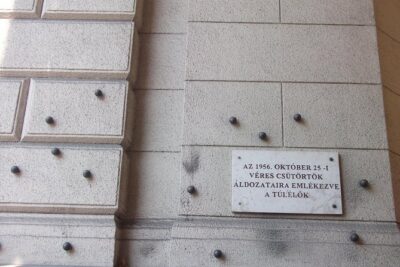
Lives of Hungarians Under Communist and Capitalist system
What we thought →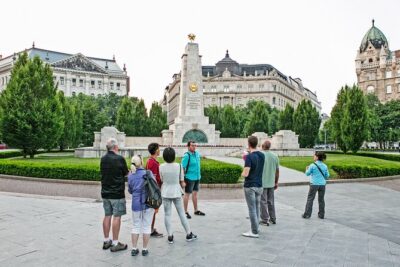
Private Budapest Hammer & Sickle Communist Times Tour
What we thought →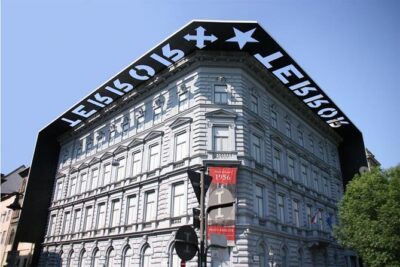
Communist History Evening Walking Tour of Budapest
What we thought →Browse the lists this tour appears in