

Reviewed · COMMUNIST HISTORY TOURS
Born Under The Red Star – The History of Communism in Hungary – Private Tour
Budapest’s past still speaks. This private three-hour walk connects Soviet memorials, the 1956 revolution, Liberty Square, Parliament, and the House of Terror. I like the personal guide format, which lets you ask direct questions about daily life under communism, and I like the small retro bar stop with coffee, tea, or a promised soda. The main concern is simple: admission details are unclear, and the tour can feel light on communist-era content if your guide spends too much time on general Hungarian history.
This is a good fit if you want a focused introduction before visiting museums on your own. Guides including Julia, Brigit, Norbert, and Leslie have been praised for clear explanations, flexibility, and personal stories. At $108.14 per person, the price makes the most sense for a small private group that values conversation and hotel pickup, not for someone seeking several included museum entries.
In This Review
- Key points to know before booking
- Why this tour matters in Budapest
- Soviet Heroic Memorial: a disputed starting point
- House of Terror: the stop that needs more time
- St. Stephen’s Basilica and the limits of the route
- Liberty Square: Budapest’s memorial argument in one place
- The 1956 memorial and the meaning of resistance
- Parliament: finish with the seat of power
- The retro bar stop and everyday communist life
- Price, pickup, and private-tour value
- Who will get the most from it
- Should you book Born Under The Red Star?
- FAQ
- How long does the tour last?
- Is hotel pickup included?
- Is this a private tour?
- Are museum and attraction admission tickets included?
- What is included at the Communist-themed bar?
- What is the cancellation policy?
Key points to know before booking

- A private three-hour route links major communist-era sites with a guide who can adjust the conversation to your interests.
- The House of Terror is the emotional center, but the short scheduled stop does not replace a museum visit.
- Liberty Square brings the political arguments into view, with memorials tied to both Jewish victims and Soviet soldiers.
- A retro bar stop adds a lighter, everyday angle, though exactly what drink is included should be confirmed before you go.
- Hotel or apartment pickup is included, useful if you want to avoid finding a meeting point.
- The tour has mixed value at $108.14 per person, especially if entry tickets must be purchased separately.
Why this tour matters in Budapest
Hungary’s communist period is not just a chapter in a textbook. It shaped housing, work, travel, shopping, speech, education, and family life. A good guide can connect the grand monuments to those ordinary pressures, helping you understand why the 1956 uprising remains such a powerful subject.
This tour also places communism beside the earlier fascist period and the Second World War. That wider context is useful, since Budapest’s public memorials often present competing versions of the same events. You will see Soviet remembrance, Hungarian resistance, Jewish memorials, and national government buildings within a fairly compact central route.
I would approach the experience as a guided introduction rather than a full museum tour. The listed stops are generally short, often 15 minutes, with 25 minutes at Liberty Square. That gives you a useful framework, but not enough time for detailed visits inside the House of Terror or St. Stephen’s Basilica.
The private format is the key advantage. You are not tied to a large group’s questions or pace. If your family wants to know what school, work, or shopping felt like during the regime, you can keep the discussion there. If you already know the basic political story, you can ask for more personal and social detail.
More communist-era history walks:
- Budapest: Communist History Tour with House of Terror Option
★ 4.8 · 182 reviews - Communism in Hungary with a Historian
★ 5.0 · 70 reviews - Budapest: 3-Hour Walking Tour About Communism (Small Group)
★ 4.7 · 70 reviews
Soviet Heroic Memorial: a disputed starting point

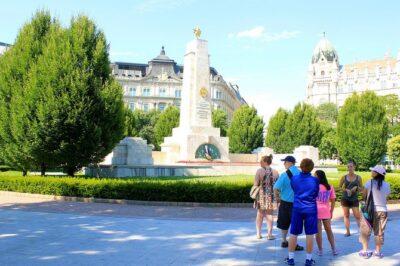
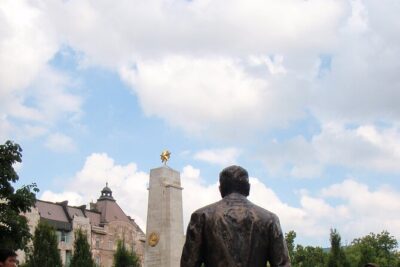
The tour begins at the Soviet Heroic Memorial in a park. Its white obelisk commemorates Russian military personnel who served in the Second World War, and it introduces one of the central tensions in modern Hungarian memory.
For the Soviet Union, these soldiers were liberators who helped defeat Nazi Germany. For many Hungarians, the end of the war also led to Soviet control and a communist government. That contrast gives your guide a useful opening for explaining why memorials in Budapest can be politically sensitive.
The scheduled 15 minutes is enough to see the monument and hear its basic story. Do not expect a long stop or an elaborate ceremony. Its value lies in the discussion around it, especially if your guide explains how public memory changed after the war and after the fall of communism.
I would listen for how your guide separates the Second World War from the later communist regime. They are linked, but they are not the same subject. A careful explanation should help you understand both the military defeat of Nazi Hungary and the political system that followed.
House of Terror: the stop that needs more time
The House of Terror occupies Andrássy út 60, a building associated with both fascist and communist repression. Its exhibits cover detention, interrogation, torture, and killing, and the museum also serves as a memorial to victims.
This is the most obvious place to ask for detail about state power. The building’s subject matter is grim, and the displays are designed to confront you with the machinery of political terror rather than offer a gentle historical survey.
The planned stop is only 15 minutes. That is enough to identify the building, discuss its role, and perhaps explain why it matters. It is not enough to visit the museum properly. The entry ticket is not included in the clearly stated tour inclusions, so you should budget separately if you want to go inside.
This distinction matters. A short guided stop can help you decide if the museum suits your interests, but it cannot substitute for the visit itself. If the House of Terror is your main reason for booking, ask the operator whether your private tour can allow extra time and confirm the ticket arrangements before paying.
One past experience also raised a practical concern about the tour ending early when the guide met the group at the House of Terror instead of the requested hotel. If pickup is part of the value for you, confirm the meeting address and total duration in advance.
St. Stephen’s Basilica and the limits of the route

St. Stephen’s Basilica may seem unrelated to communism at first. That is part of the point. The basilica represents Hungary’s older Catholic and royal identity, while the communist state promoted an officially atheist system and placed religion under pressure.
The church is named for Stephen, Hungary’s first king, and its reliquary holds his right hand. The guide may use the building to explain how religious and national traditions fit uneasily with communist ideology.
The stop is listed at 15 minutes. Admission is not included. The supplied information has contained confusion about this point, with an earlier description suggesting free entry and a later clarification stating that the mistake was corrected. Treat entry as extra, and ask exactly what any ticket covers. A basic church or dome ticket may not include every area.
I would not book this tour solely for a basilica visit. You get a quick look and historical context, not a full architectural tour. The stop works best as part of the larger story about religion, national identity, and political control.
More history-led tours:
- Budapest: Historic Cruise with Welcome Drink
★ 4.7 · 6,512 reviews - Budapest Historical Sightseeing – Free Walking Tour
★ 5.0 · 1,302 reviews - Buda Castle District Dark History, Legends and Vampire Night Tour
★ 4.5 · 1,240 reviews - BloodThirsty Hungary: Walking tour & Dark Historical Stories
★ 4.9 · 633 reviews
Liberty Square: Budapest’s memorial argument in one place

Allow the most time here. Liberty Square receives about 25 minutes, making it the longest scheduled stop on the route.
The square contains two memorials that can pull your thoughts in opposite directions. One commemorates Jewish victims of the Holocaust. The other remembers Soviet soldiers who liberated Budapest from Nazi rule. Their proximity reflects the hard questions surrounding liberation, occupation, responsibility, and memory.
The square also sits near the United States Embassy and the historic headquarters of the Hungarian National Bank. Those buildings add a useful civic setting. You are not looking at isolated statues in a quiet corner. You are seeing memorials placed beside institutions tied to diplomacy, money, and state power.
This is where a private guide can earn the tour’s price. You can ask why one memorial is contested, how different political groups interpret the past, and how Hungary presents its twentieth-century story today. The best discussion should move beyond dates and names to the way public memory is shaped.
I would also use this stop to ask about daily life. How did people get goods? What did employment mean? How much freedom did families have to travel or speak openly? The itinerary promises insight into life under communism, and Liberty Square is a natural place to push for that practical side of the story.
The 1956 memorial and the meaning of resistance

The memorial to the 1956 Hungarian Revolution and War of Independence honors people who rose against the communist regime. The uprising began as a national revolt and became a major challenge to Soviet power before being crushed.
The scheduled stop lasts 15 minutes, so expect a concise explanation of the monument and the revolt. Its importance is greater than the time suggests. The 1956 uprising is central to Hungarian identity and helps explain the difference between official communist claims and the experience of people who wanted political freedom and national independence.
I would ask your guide to explain what changed after 1956. The story did not end when the fighting stopped. The later communist system in Hungary developed its own character, and understanding that shift can help you make sense of the period between the uprising and the eventual end of one-party rule.
Personal accounts can make this section especially strong. Julia has been praised for adding her own family experience to difficult subjects, and that kind of first-person connection can make an abstract political story easier to grasp. It is worth asking your guide if they have personal or family memories from the period.
Parliament: finish with the seat of power

The Hungarian Parliament Building provides a grand final image. It is the seat of the National Assembly and one of Budapest’s best-known buildings, positioned along the Danube.
The tour schedules about 15 minutes here. That usually means an exterior explanation rather than a full parliamentary visit. Admission is not included, and the experience does not promise an interior tour.
Parliament is a fitting endpoint because it brings the discussion back to government. After seeing memorials to Soviet soldiers, victims of repression, and revolutionaries, you finish at the building where Hungary’s national political life is represented.
The guide can help you connect the old one-party state with present-day institutions. Do not expect the stop alone to explain modern Hungarian politics in detail. Its main strength is visual and symbolic: you see the seat of government after tracing the forces that shaped it.
The retro bar stop and everyday communist life

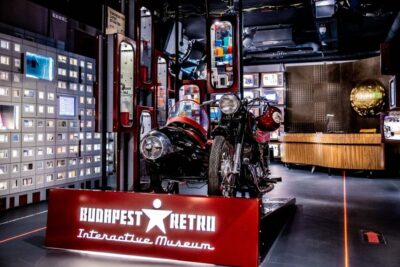
The drink stop is a small but welcome change from monuments and painful subjects. The experience includes a retro soda at a communist-themed bar, along with coffee and tea. The setting is intended to evoke a past era through its style and atmosphere.
There is an important qualification here. One account found only coffee included, with the retro drink and any museum entry costing extra. Because the supplied details conflict, confirm whether the soda is included and whether the bar charges any entry or museum fee.
This stop can be more valuable than it sounds if your guide uses it to talk about ordinary life. Ask about household goods, queues, consumer shortages, popular drinks, work, school, and social habits. A themed bar by itself is decoration. The conversation is what gives it historical value.
It also gives you a chance to pause. Three hours of political history can feel heavy, particularly after the House of Terror and the 1956 memorial. A short café break helps the discussion breathe, though one past tour reportedly spent about half an hour in a café while giving too little attention to life under communism. If you want a tighter route, say so at the start.
Price, pickup, and private-tour value
At $108.14 per person, this is not a cheap sightseeing walk. The price includes hotel or apartment pickup, a private guide, maps, further recommendations, and coffee or tea. A retro soda is also listed as included, but confirm that detail before booking.
The value depends heavily on group size. For one or two people, the cost is high compared with visiting public monuments on your own. For a family or small group sharing the private rate, the price may feel more reasonable, especially if pickup saves time and the guide gives you a tailored discussion.
The tour is usually booked about nine days ahead. That suggests you should reserve before your Budapest visit if your dates are fixed, though it is not a guarantee of availability.
You should also budget for possible admission tickets. The House of Terror and Parliament are not clearly included, and St. Stephen’s Basilica is specifically listed without included admission. If your goal is to enter all three, the final cost can rise well above the advertised per-person rate.
Pickup is practical in Budapest, particularly if you are still learning the city’s public transport system. The route is near public transportation, and one tour used the subway to reach the House of Terror. Still, the total time can depend on where pickup occurs, so confirm that the three hours begin at your requested address.
Free cancellation is available if you cancel at least 24 hours before the start time. Changes made inside that window are not accepted, and poor weather can lead to a new date or a full refund. Children must have an adult with them, service animals are allowed, and a moderate level of physical fitness is required.
Who will get the most from it
I would recommend this tour to you if you:
- Want a private conversation about Hungary’s communist past
- Prefer seeing several meaningful sites instead of spending three hours in one museum
- Are interested in how memorials present competing versions of history
- Value hotel or apartment pickup
- Are visiting Budapest with family or friends who can share the private cost
- Plan to visit the House of Terror separately and want context first
I would be more cautious if you already took a full-day Budapest history tour. One past experience found too much general history and too little discussion of actual communist life. Tell the guide immediately that you want the focus on the regime, not a broad introduction to Budapest.
I would also choose another plan if you want long indoor visits. The route gives most sites only 15 minutes. You may get more from visiting the House of Terror, Parliament, and St. Stephen’s Basilica independently, then hiring a guide only for the topics you most want to understand.
Should you book Born Under The Red Star?
Book it if you want a flexible introduction to communist Budapest and will make active use of the private format. Ask direct questions about daily life, request confirmation about included tickets and the retro drink, and make sure pickup time is counted correctly.
The strongest parts are the route through Liberty Square, the 1956 memorial, and the personal quality some guides bring to difficult subjects. The weakest points are the short museum stop, unclear admission information, and the risk of a general history tour replacing a focused discussion of communism.
For a small group that values a guide’s stories, hotel pickup, and a tailored pace, $108.14 can be fair. For a solo visitor mainly seeking museum entry, it is harder to justify. Go in knowing that this is a guided conversation among important sites, not an all-inclusive ticket package.
FAQ
How long does the tour last?
The tour lasts approximately three hours.
Is hotel pickup included?
Yes. The guide will meet you at your requested hotel or apartment address.
Is this a private tour?
Yes. Only your group participates in the activity.
Are museum and attraction admission tickets included?
Admission is not clearly included for the House of Terror Museum, St. Stephen’s Basilica, or the Hungarian Parliament Building. Confirm current ticket arrangements before booking.
What is included at the Communist-themed bar?
The tour information lists a retro soda, coffee, and tea as included. Because drink details have caused confusion, confirm exactly what is provided before your tour.
What is the cancellation policy?
You can cancel for a full refund up to 24 hours before the experience start time. Cancellations or changes made less than 24 hours before the start are not accepted for a refund. If poor weather causes cancellation, you will be offered another date or a full refund.
Just added around Budapest
- Lake Balaton and Herend Guided Tour★ 4.7 · 3 reviews
- Audio visual multi-sensory chefs journey dinner experience★ 5.0 · 3 reviews
- Hollókő Ethnographic Village: Day Tour from Budapest★ 3.7 · 3 reviews
- Tapolca Cave Lake and Tihany/ Balaton private tour from Budapest★ 4.5 · 3 reviews
- Budapest Art Nouveau Walking Tour★ 5.0 · 3 reviews
- SzentEndre-SaintAndrew City Privately Shopping and Picturesque★ 4.5 · 3 reviews
- Budapest Drinks and Piano Show Cruise★ 4.5 · 3 reviews
- Horseshow on the Hungarian Puszta, private tour from Budapest with entry!★ 5.0 · 3 reviews
Communist History Tours, compared.
Communist History Tour with House of Terror Option
What we thought →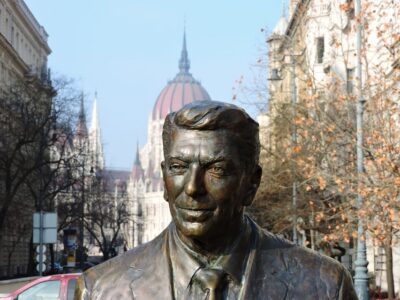
3-Hour Walking Tour About Communism (Small Group)
What we thought →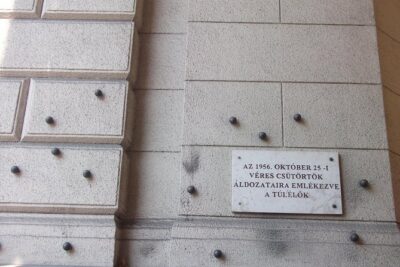
Lives of Hungarians Under Communist and Capitalist system
What we thought →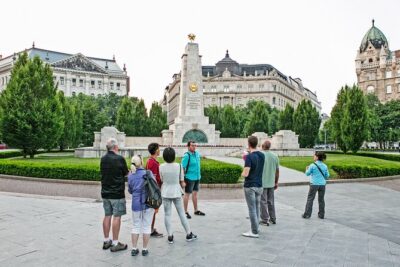
Private Budapest Hammer & Sickle Communist Times Tour
What we thought →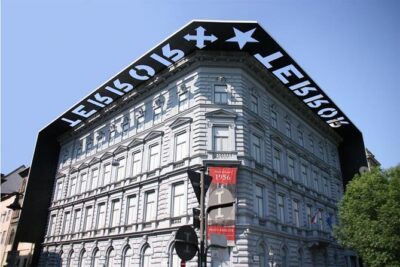
Browse the lists this tour appears in