
Reviewed · JEWISH QUARTER TOURS
Budapest Dohany Synagogue & Hungarian Jewish Museum & free extras
History here has a human face. Budapest’s Dohány Street Synagogue tour combines grand architecture with a serious look at Hungarian Jewish life, the Holocaust, and the people who resisted it. I especially like the chance to see the synagogue’s famous organ linked with Franz Liszt and the moving Emmanuel Tree of Life Memorial. Guides such as Milan add warmth, humor, and personal context to a difficult subject.
The main caution is the short length. The guided portion lasts about 45 minutes, and several people found that the synagogue complex took up nearly all of that time. You may need to explore the museum on your own, so the $44.89 price feels fair only if you value the timed entry and live explanation.
In This Review
- Key points before you book
- What this Dohány Street Synagogue visit is really about
- The synagogue’s 1850s architecture and Franz Liszt’s organ
- Raoul Wallenberg Holocaust Memorial Park
- The Hungarian Jewish Museum and Archives
- Is $44.89 good value?
- Timing, meeting point, and group size
- Dress rules and security checks
- What the strongest guide-led visits do well
- Who should book this experience?
- My practical verdict on the 45-minute visit
- FAQ
- Where does the experience begin?
- Where does the experience end?
- How long does the guided experience last?
- Is the Hungarian Jewish Museum included?
- Is the tour offered in English?
- How many entry times are available each day?
- What clothing is required?
- Can I bring a large backpack or suitcase?
- Is the experience suitable for most people?
- What is the cancellation policy?
Key points before you book
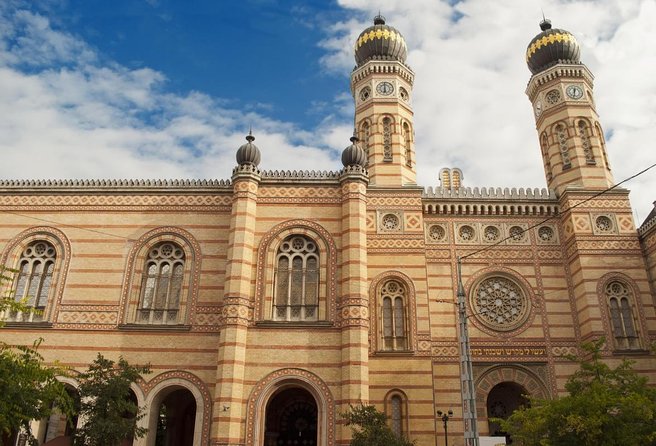
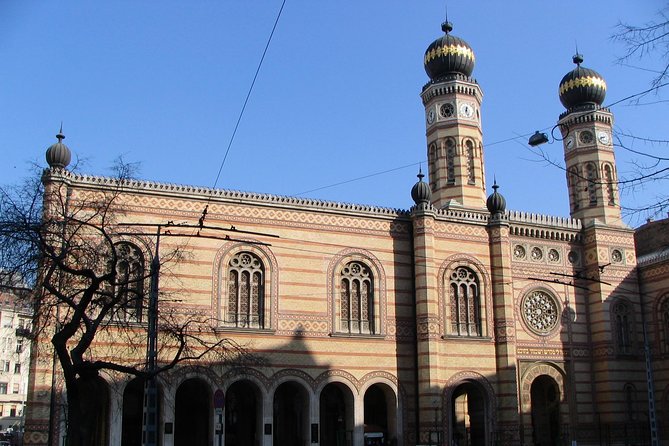
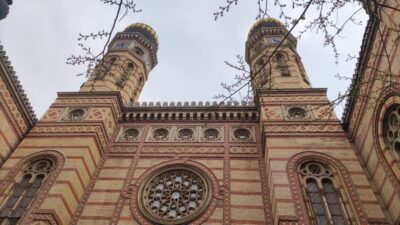
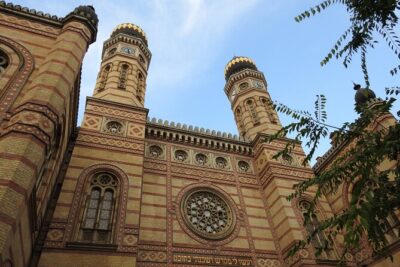
- Europe’s largest Jewish temple: The Dohány Street Synagogue is a striking 1850s Budapest building, with space for architectural detail, religious history, and wartime memory.
- A short but serious visit: The planned route gives about 30 minutes to the synagogue and 15 minutes to the memorial park and cemetery.
- The museum is included: You receive entry to the Hungarian Jewish Museum and Archives, but you explore it at your own pace.
- Milan earns repeated praise: He is described as warm, funny, clear, and able to connect Hungarian history with Jewish history.
- The Holocaust Cemetery is powerful: More than 2,000 victims are buried in the cemetery created on the former Budapest ghetto grounds.
- Dress and security matter: Cover your shoulders and legs to the knee, avoid large bags, and allow time for security screening.
What this Dohány Street Synagogue visit is really about
The Dohány Street Synagogue is not simply a beautiful building to tick off in Budapest. It is a place where architecture, worship, Hungarian national history, and Holocaust remembrance sit close together.
That mix gives the visit its force. You begin with the public grandeur of a major 19th-century synagogue, then move toward the much harder story of Hungarian Jewry during the Holocaust. The contrast is deliberate and useful. It helps you understand Jewish life as a living culture, not only as a subject connected to wartime tragedy.
The experience is offered in English, with three entry times each day. That makes it easy to fit into a Budapest sightseeing day. The meeting point is at Dohány u. 2 in the city’s 1074 district, and the visit ends back at the same meeting point.
The group can contain up to 35 people, though some sessions are much smaller. One person described a group of only four couples, which allowed plenty of time for questions. A small group will make the guide easier to hear and the discussion more relaxed.
More Jewish Quarter walks:
- Budapest Jewish Heritage Memorial Walking Tour & Synagogue Entry
★ 5.0 · 568 reviews - Budapest: Jewish Heritage Guided Tour with Synagogue Ticket
★ 4.8 · 533 reviews - Jewish Quarter of Budapest Walking Tour
★ 4.7 · 369 reviews
The synagogue’s 1850s architecture and Franz Liszt’s organ
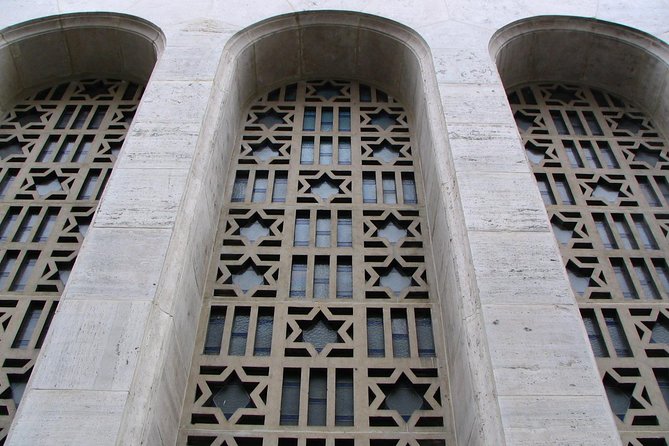
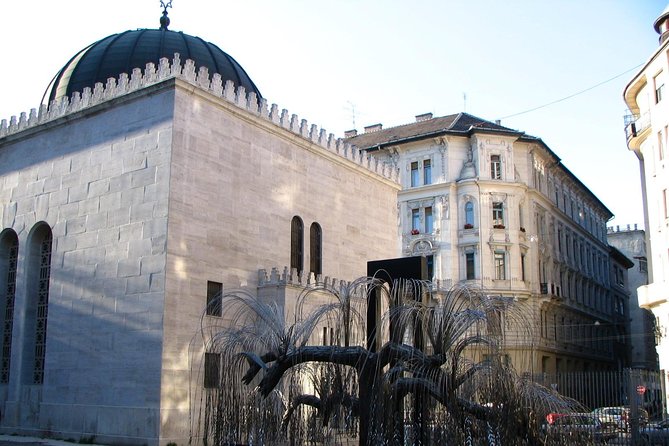
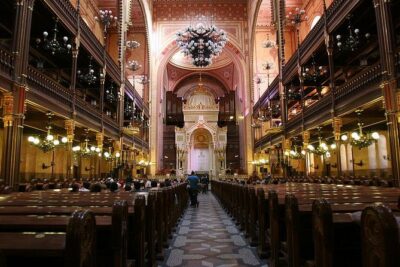
The first part lasts about 30 minutes and takes place inside the Great Synagogue, also called the Central Synagogue or Nagy Zsinagoga. The building is described as the largest Jewish temple in Europe, and its scale is immediately important. You are not visiting a small neighborhood prayer hall. This is a major Budapest landmark with a long connection to the Hungarian Neologue Jewish community.
The guide explains the synagogue’s place in Hungarian Jewish life and the wider history of Jews in Hungary. That context matters because the building can otherwise seem like a purely architectural stop. With the right explanation, the interior becomes part of a much larger story about worship, community, identity, and survival.
One memorable feature is the organ associated with Franz Liszt. Even if music is not your main interest, this detail helps show the synagogue’s cultural importance. The building has not been isolated from Budapest’s artistic life. Its history reaches beyond religious practice and into the city’s wider cultural world.
I would pay close attention during this section, since the 30 minutes go quickly. Several comments describe guides packing a great deal of information into a short time. That is useful, but it also means a fast speaker can be difficult to follow, especially inside a large building where other tours may be taking place.
Milan receives especially warm praise. He is described as funny, professional, and able to explain the links between Hungarian history and the history of Hungarian Jews. His personal connection to wartime family experiences also gave the subject a more direct, human quality.
Still, guide quality can vary by departure. The strongest feedback repeatedly points to Milan, but you should not assume he will lead every session. The wider lesson is to expect a guide-led introduction rather than a long, slow architectural lecture.
Raoul Wallenberg Holocaust Memorial Park
The second stop is Raoul Wallenberg Holocaust Memorial Park. The planned time here is about 15 minutes, so do not expect a lengthy museum-style presentation. Instead, this is a compact memorial section that gives emotional weight to the history you have just heard.
The park recalls the Hungarian Holocaust and the Righteous Gentiles who saved tens of thousands of Hungarian Jews while risking their own lives. That subject adds an important note to the visit. The story is not only about persecution and loss. It also includes individual acts of courage, often carried out under terrible danger.
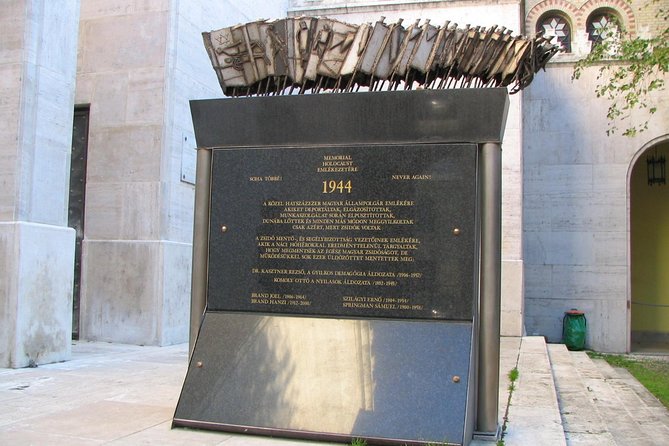
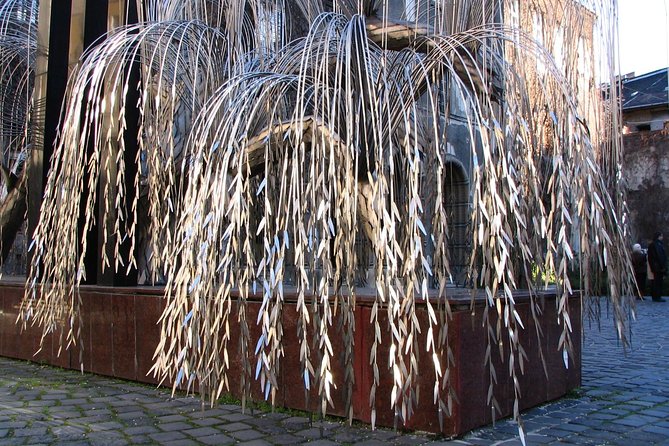
The Emmanuel Tree of Life Memorial is the park’s best-known feature. Its metal leaves represent people lost during the Holocaust, creating a visual reminder of the scale of the destruction. The memorial is easier to understand after the guide has explained the historical setting.
You also visit the Holocaust Cemetery, which was created on the grounds of the Budapest ghetto. More than 2,000 victims are buried there. This is one of the most affecting moments of the experience because the cemetery brings the numbers down to a specific place.
The short time can feel restrictive. A 15-minute visit may be enough for an introduction, but you may want to remain quiet and look around longer. The schedule is built for a compact group visit, not for extended personal reflection.
One practical point is worth noting: parts of the site may be closed during prayers. Choosing a suitable day and time can affect how much of the complex you see. The supplied information does not identify which areas may close or provide a prayer schedule, so check locally if full access matters to you.
The Hungarian Jewish Museum and Archives
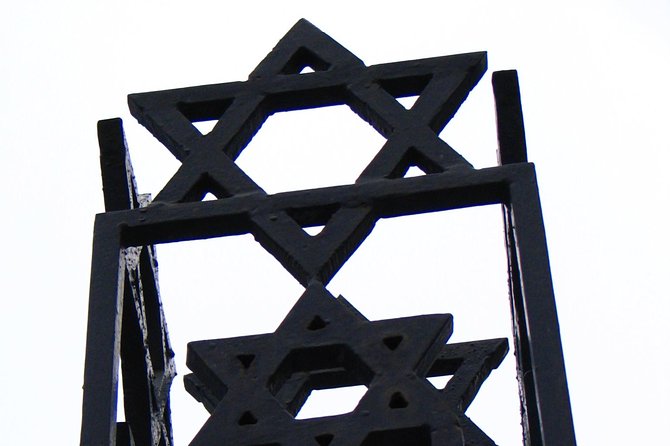
Admission to the Hungarian Jewish Museum and Archives is included. This is an important benefit, but you should understand how it works. The guided portion is short, and the museum is generally something you explore at leisure rather than a fully guided stop.
That arrangement suits you if you like to read displays at your own speed. It also means the overall experience can feel uneven. You may receive a lively explanation in the synagogue, then move through the museum independently without the same level of interpretation.
One person reported being able to access the photo gallery but not the archives. That suggests access within the museum may not always be identical, so do not assume every room or collection area will be open on every visit.
The museum adds value because it keeps the focus on Hungarian Jewish life, rather than allowing the visit to become only a Holocaust memorial tour. You can use the material there to fill in the details introduced by the guide.
If you care most about museum displays, the included entry is a real advantage. If you want a guide to explain every section, the 45-minute format may disappoint. I would treat the museum access as an extra period for self-guided learning, not as a full second tour.
More museums and galleries:
- Budapest: Cat Museum Budapest Entry Ticket
★ 4.4 · 2,210 reviews - Budapest: Light Art Museum – Immersive New Media Experience
★ 3.9 · 1,269 reviews - Budapest: Budapest Retro Interactive Museum Ticket
★ 4.4 · 373 reviews - Star Wars story Museum Ticket Pass
★ 5.0 · 249 reviews
Is $44.89 good value?
At $44.89 per person, this is not Budapest’s cheapest cultural stop. The price includes admission fees and taxes, entry to the synagogue, the memorial park, the Holocaust Cemetery, and the Hungarian Jewish Museum and Archives.
The real question is what you want your money to buy. If you only want to enter the synagogue and take photographs, paying for a guided experience may not be necessary. One dissatisfied participant felt a standard admission ticket and the synagogue’s free tour would have offered better value.
I can understand that criticism, especially when the guided time is close to one hour and the museum is self-guided. The title’s reference to free extras can also create expectations of more included material than you actually receive. The core benefit is timed entry with a live English-speaking guide, plus access to the wider complex.
The price becomes easier to justify if you want historical context and a fixed entry time. Strong guides have explained religious customs, the building’s past, Hungarian Jewish history, and the Holocaust in a way that a casual visit may not provide. Several people also appreciated the chance to ask questions and receive a personal explanation.
For a first visit, I would see the fee as reasonable but not a bargain. It is better value for someone who wants interpretation than for someone who prefers to wander alone.
Timing, meeting point, and group size
The visit begins and ends at Budapest, Dohány u. 2, 1074 Hungary. The location is near public transportation, so you should be able to reach it without arranging a special transfer. No transport is included because the experience is centered on the synagogue complex itself.
There are three entry times each day. This is handy if you are fitting the visit around the Parliament, the Jewish Quarter, or other central Budapest sights. The experience is commonly booked about 15 days ahead, so reserving early is sensible if you need a particular time.
Arrive with the meeting point clearly in mind. One person noted some confusion about where to meet, even though the address itself is straightforward. Look for the exact entrance instructions on your confirmation and avoid assuming that every nearby gate is used for tour check-in.
The maximum group size is 35. That is manageable, but a full group can make hearing difficult inside the synagogue. One guide was described as speaking quickly, and large groups may increase that problem. If you have hearing concerns, position yourself near the guide and ask for clarification when needed.
The official duration is approximately 45 minutes. The museum may be explored at leisure, so your total time inside the complex can be longer. Plan for at least the scheduled guided portion, then add museum time if you want to read and look carefully.
Dress rules and security checks
You need to dress respectfully. Regular clothing is acceptable, but your shoulders and thighs must be covered. Legs must be covered down to the knee, and beach clothing is not suitable.
If your clothing does not meet the rules, a cover can be purchased on site. Men can receive a head covering upon entry. It is easier, and usually more comfortable, to dress correctly before you arrive.
Everyone goes through security control. Large backpacks and suitcases are not allowed, and there is no storage for them. Bring only what you need for the visit.
Service animals are allowed. Most people can take part, and the site is near public transportation. The supplied information does not give further details about interior access arrangements, so contact the provider directly if you have a specific mobility concern.
What the strongest guide-led visits do well
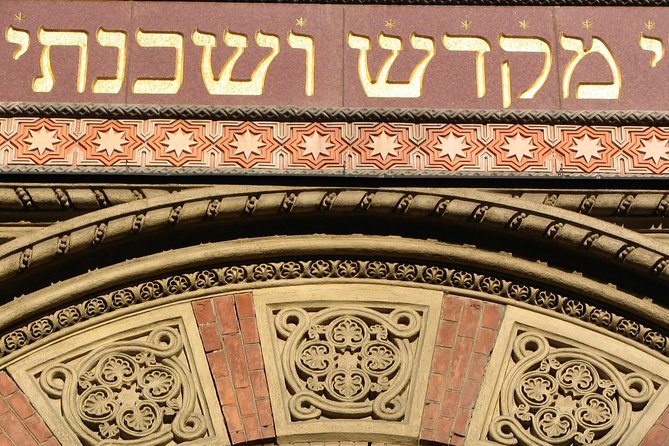
The best part of this experience is the human explanation. Architecture can tell you that the synagogue is important, but a good guide explains why it matters to Hungarian Jews and to Budapest.
Milan is praised repeatedly for making the material clear and personal. He is described as humorous without treating the subject lightly, and as willing to answer questions. One person who had already visited the synagogue twice considered this the best visit because of his guidance.
The strongest guides also connect the synagogue with the surrounding memorials. That connection is essential. Without it, you might see the Great Synagogue, take a few photographs, and leave with only a general impression of its size and beauty.
There are limits. One guide spoke quickly, and another session was hard to hear because several tours were operating in the synagogue. The short format also forces the guide to choose which facts to include. You will hear a useful overview, not an exhaustive study of Hungarian Jewish history.
I suggest reading a little about the subject before you go if you want to get the most from the visit. Even a basic sense of the Hungarian Jewish community and the Holocaust will help you follow the guide’s compressed explanation.
Who should book this experience?
I recommend it most strongly for a first visit to the Dohány Street Synagogue, especially if you want more than architecture. It suits anyone interested in Jewish heritage, Hungarian history, religious customs, or Holocaust remembrance.
It is also a good choice if you prefer a scheduled English-language visit. The three daily entry times and included admission make the day easier to organize.
You may want to skip it, or choose a longer option, if you already know the synagogue well or want extensive museum time with a guide. One person specifically wished the visit had been longer, and another noted that the short tour covered only the synagogue.
The experience is not limited to Jewish visitors. One participant who was not Jewish considered it unmissable because the guide explained both the synagogue and Hungary’s history clearly. You do not need prior religious knowledge to follow the visit.
My practical verdict on the 45-minute visit
This is a compact, serious introduction to one of Budapest’s most important Jewish sites. Its greatest strengths are the grand synagogue, the Holocaust Cemetery, the Emmanuel Tree of Life Memorial, and guides who can turn a short visit into a meaningful history lesson.
Its weak points are equally clear: the guided portion is brief, the museum is mostly self-guided, and a full group may make the guide hard to hear. At $44.89, I would book it if you value a live English explanation and a set entry time. If your main goal is simple entry and independent exploration, compare the price with a regular admission option first.
Allow extra time for the museum, dress for the rules, leave large bags behind, and arrive ready for security. Most important, give the memorial section the attention it deserves. The synagogue may catch your eye first, but the cemetery and memorial park are what give this visit its lasting weight.
FAQ
Where does the experience begin?
It begins at Budapest, Dohány u. 2, 1074 Hungary.
Where does the experience end?
The activity ends back at the meeting point.
How long does the guided experience last?
The scheduled experience lasts approximately 45 minutes.
Is the Hungarian Jewish Museum included?
Yes. Your ticket includes entry to the Hungarian Jewish Museum and Archives, which you may explore at your own pace.
Is the tour offered in English?
Yes. The experience is offered in English.
How many entry times are available each day?
There are three entry times available daily.
What clothing is required?
Shoulders and thighs must be covered, and legs must be covered down to the knee. Beach-type clothing is not acceptable. A cover can be purchased on site if needed, and men can receive a head covering at entry.
Can I bring a large backpack or suitcase?
No. Large backpacks and suitcases are not allowed, and they cannot be stored at the site.
Is the experience suitable for most people?
Yes. Most people can participate, and service animals are allowed.
What is the cancellation policy?
You can cancel at least 24 hours before the start time for a full refund. Cancellations or changes made less than 24 hours before the start time are not accepted for a refund. If poor weather causes cancellation, you will be offered another date or a full refund.
Just added around Budapest
- Lake Balaton and Herend Guided Tour★ 4.7 · 3 reviews
- Audio visual multi-sensory chefs journey dinner experience★ 5.0 · 3 reviews
- Hollókő Ethnographic Village: Day Tour from Budapest★ 3.7 · 3 reviews
- Tapolca Cave Lake and Tihany/ Balaton private tour from Budapest★ 4.5 · 3 reviews
- Budapest Art Nouveau Walking Tour★ 5.0 · 3 reviews
- SzentEndre-SaintAndrew City Privately Shopping and Picturesque★ 4.5 · 3 reviews
- Hungary today: a no-taboo conversation★ 5.0 · 3 reviews
- Budapest Drinks and Piano Show Cruise★ 4.5 · 3 reviews
Jewish Quarter Tours, compared.
Budapest Jewish Heritage Memorial Walking Tour & Synagogue Entry
What we thought →
Jewish Heritage Guided Tour with Synagogue Ticket
What we thought →
Past and Present of Budapest Jewish District Tour
What we thought →
Jewish History Guided Walking Tour with Historian
What we thought →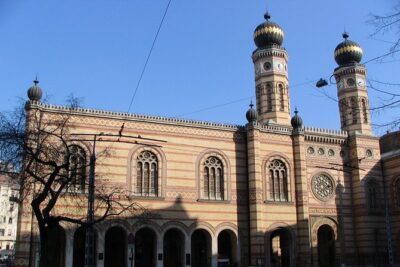
Budapest Dohany, Heroes’, Rumbach synagogues & Jewish Ghetto Tour
What we thought →Browse the lists this tour appears in