
Reviewed · MUSEUMS
Budapest: Light Art Museum – Immersive New Media Experience
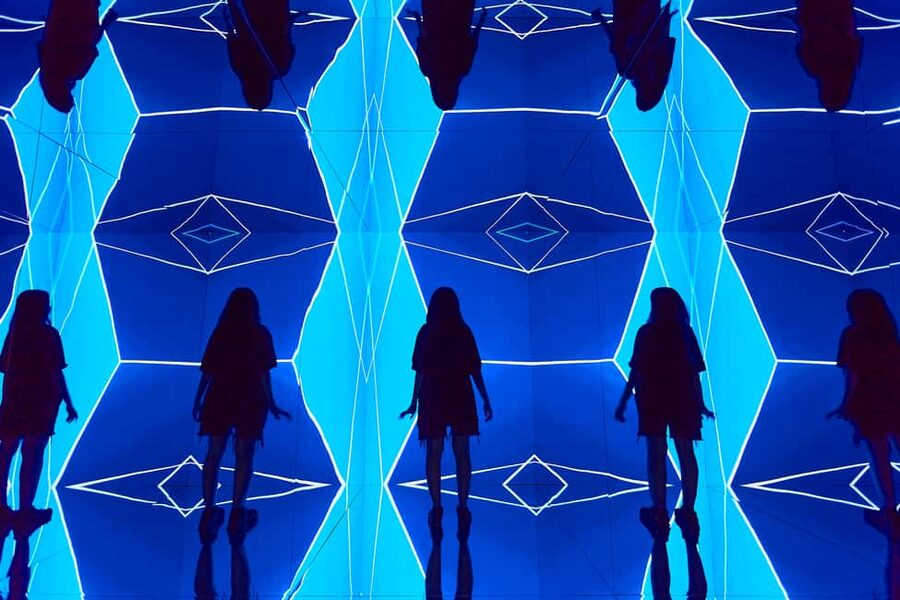
Art that bends your eyes. Budapest’s Light Art Museum turns a former farmers’ market into a lively gallery of projections, color, optical illusions, and new-media art. I like the unusual setting and the mix of local and international artists, especially the works linked to László Moholy-Nagy and Victor Vasarely. The main drawback is that the quality varies, and a few displays may feel vague if you prefer art with a clear message.
I also like the relaxed two-hour pace and the limited entry numbers, which help you examine the installations without being pushed along. The air-locked dome, the Sphere, and the blimp-inspired work are especially memorable. Still, some visitors found certain exhibits closed, while others finished in about 20 minutes, so your experience may depend on which pieces are operating that day.
In This Review
- Key points to know before you go
- A market hall with a very different second life
- What your visit feels like from the entrance
- The art: light, color, and optical tricks
- Moholy-Nagy and Vasarely add artistic context
- The Sphere, dome, and blimp are worth your time
- Family appeal, with one important warning
- How long you need, and when to arrive
- Is $18 good value?
- What could be better
- Who should visit the Light Art Museum?
- Should you book it?
- FAQ
- How much does admission cost?
- How long is the Light Art Museum experience?
- Is the ticket valid for more than one day?
- Is there a guide included?
- Is a skip-the-line option available?
- Is the museum suitable for children?
- Are English explanations available?
- Can I cancel for a full refund?
Key points to know before you go
- A former market becomes an art laboratory: The museum occupies a historic farmers’ market hall, giving the exhibition an unusual setting rather than a standard white-walled gallery.
- Plan on about two hours: That is enough time to view the works, read the English information, and return to the pieces that catch your eye.
- The Sphere and air-locked dome are highlights: Lie down inside the dome for the best effect, and give the central installations more than a quick glance.
- Art ranges from famous to wonderfully odd: You may see work connected with László Moholy-Nagy and Victor Vasarely alongside contemporary light, projection, and science-based pieces.
- Good for families, with one age caveat: Young children can enjoy the color and motion, but one section is intended for people over 18.
- The $18 ticket is fair for a two-hour visit: It offers a distinctive indoor activity, though the value drops if several installations are closed.
A market hall with a very different second life
The first surprise is not a light beam or optical trick. It is the building itself.
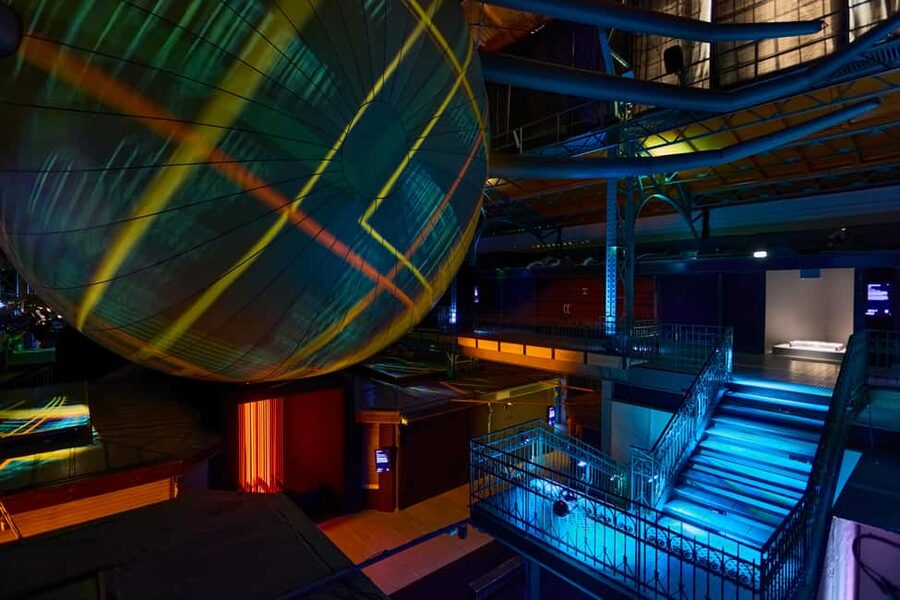
The museum occupies a historic marketplace that once served as a farmers’ market. Inside, the old hall now holds large-scale projections, glowing structures, interactive works, and spaces designed to change how you see the room around you. That contrast gives the visit some character. You are not simply walking through another modern gallery. You are seeing contemporary art take over a place built for everyday commerce.
That setting also helps the museum feel informal. You do not need a long art background to enjoy it. You can look at the shapes, colors, shadows, and moving images first, then read the explanations if a work catches your attention.
I would allow about two hours. Some displays deserve only a few minutes, while others make more sense when you watch them change or return to them from another angle. The museum is best approached at your own pace, not as a fast photo stop.
More museums and galleries:
- Budapest: Cat Museum Budapest Entry Ticket
★ 4.4 · 2,210 reviews - Budapest: Budapest Retro Interactive Museum Ticket
★ 4.4 · 373 reviews - Star Wars story Museum Ticket Pass
★ 5.0 · 249 reviews
What your visit feels like from the entrance
This is a self-guided experience. An English or Hungarian host or greeter can help at the meeting point, and the admission includes a skip-the-ticket-line option. There is no tour guide leading you from room to room, so you decide what deserves your time.
That independence is useful here. Light art often rewards lingering, and a fixed commentary would probably get in the way. You can stop for a projection, move on from a piece that does not speak to you, and return to a room when it looks different.
Entry numbers are limited, which can make a real difference. A crowded room would weaken the effect of optical art and make interactive pieces harder to enjoy. Going early may help you get more space, and one particularly useful visit took place first thing in the morning, before the museum filled up.
The information screens include English, though the display language may change while you are reading. If you want to understand every explanation, give yourself extra time and do not assume the screen will remain in English for the full text.
The art: light, color, and optical tricks
The exhibition brings together contemporary art, modern art, art connected with science, and new-media work. That mix is one of its strengths, but it also explains why the experience feels uneven.
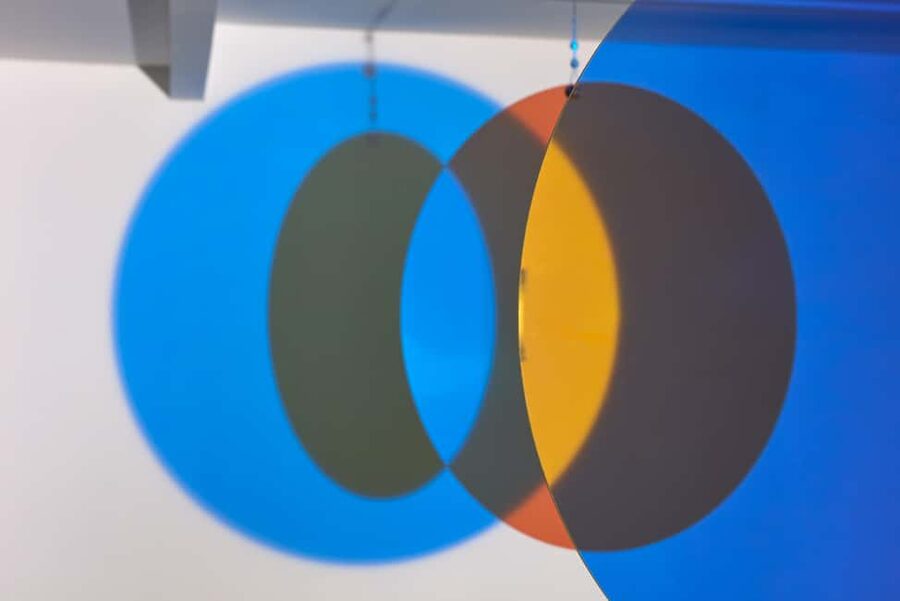
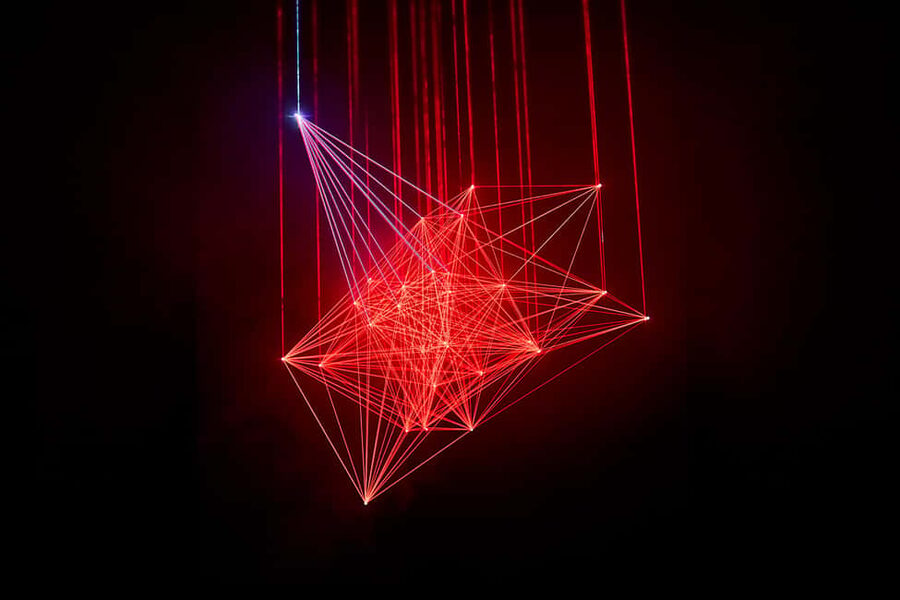
One installation might use projection mapping to change the apparent shape of a wall. Another might rely on color, reflection, shadow, or movement. A third might be more conceptual, asking you to think about space, emptiness, perception, or the way technology alters an ordinary object.
You will find interactive pieces, though the level of interaction varies. Some invite you to take part directly. Others are better understood as visual experiments that you watch from different positions. If you expect every room to behave like a hands-on science center, you may be disappointed. This is still an art museum, and some works are deliberately open to interpretation.
That subjectivity is part of the fun. It is also the source of the museum’s weaker moments. A few pieces may strike you as inspired and clever, while others might seem like a small group of colored lines with an explanation that feels larger than the object itself. I would not judge the whole visit by one puzzling installation. The collection works best as a varied sequence.
Moholy-Nagy and Vasarely add artistic context
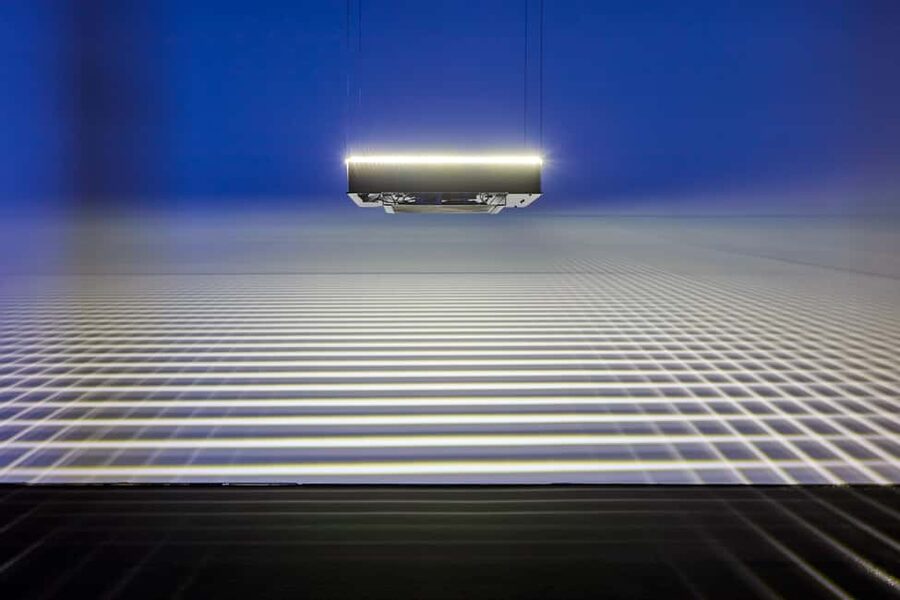
The museum is not only about glowing rooms and photo opportunities. It also connects the exhibition to important figures in modern art.
László Moholy-Nagy was a pioneer of light-based art and explored the relationship between light, movement, materials, and technology. His presence gives the subject some historical grounding. You can see that today’s projections and light machines did not appear from nowhere. Artists have been testing light as a material for many decades.
Victor Vasarely, closely linked with op art, is another name to watch for. His work is known for visual effects that make flat forms seem to shift, pulse, or move. At the museum, his influence helps you understand why certain geometric patterns can feel strangely active even when nothing physical is moving.
These connections matter because they keep the visit from becoming only a collection of colorful rooms. You get a sense of a longer artistic story, from early experiments with light and perception to current digital and projection-based work.
A completely different kind of day out around Budapest:
- Budapest: City Highlights Cruise with Welcome Drink
★ 4.6 · 35,610 reviews - Budapest: Unlimited Prosecco, Beer and Aperol Spritz Cruise
★ 4.8 · 25,310 reviews - Budapest: Széchenyi Spa Day Ticket with Optional Upgrades
★ 4.3 · 23,911 reviews - Budapest: Nighttime or Daytime Sightseeing Cruise
★ 4.2 · 21,062 reviews
The Sphere, dome, and blimp are worth your time
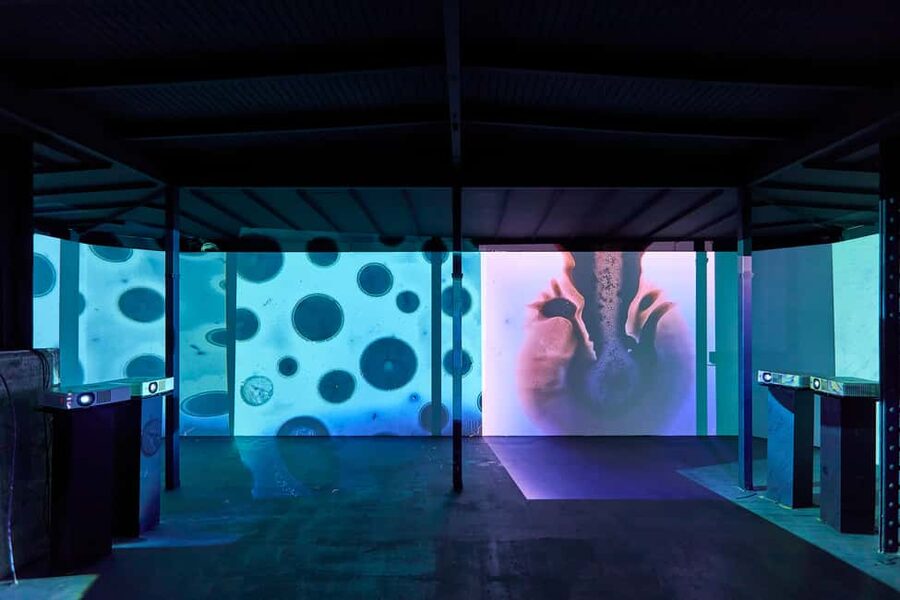
Several installations receive more attention than the rest, and I would make room for them rather than rushing through.
The Sphere is described as an especially memorable piece. Its exact effect may depend on the current presentation, but it is the kind of work that rewards a pause and a second look. Instead of taking one photograph and moving on, spend a few moments noticing how the light and space work together.
The air-locked dome is another major attraction. The practical tip is simple: lie down inside it. The effect is far better from that position than while standing and glancing in. It can feel relaxing, strange, or slightly disorienting, depending on how you respond to the enclosed visual space.
The blimp-inspired installation also leaves a strong impression. It is an example of the museum’s more playful side, and you may find yourself returning to it rather than treating it as a one-time stop.
These pieces help justify the admission price because they offer something you are unlikely to find in a conventional Budapest museum. They are not simply framed works on a wall. They use the room, your body, and your point of view as part of the experience.
Family appeal, with one important warning
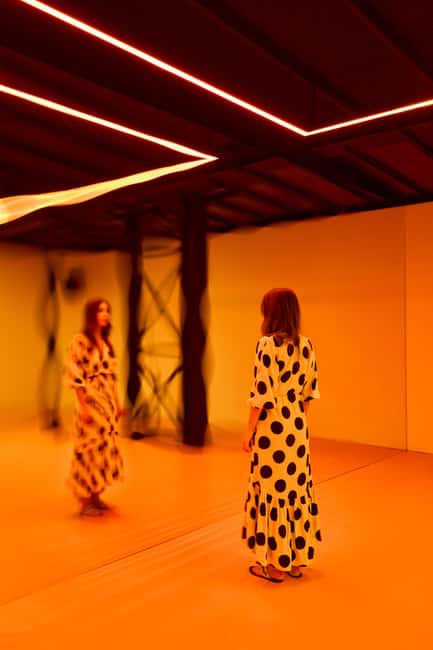
The museum can work well for a family outing. A two-year-old may respond to the lights, changing colors, and unusual shapes with just as much delight as an adult. The experience is visual and immediate, so children do not need to understand every artistic explanation to enjoy parts of it.
Older children may appreciate the interactive elements and optical tricks. You can turn the visit into a small discussion about shadows, reflections, movement, and how the eye interprets patterns.
There is one clear caution: a section is intended for people over 18. If you are visiting with younger children, ask the host or greeter about that area before planning your route. The museum remains family-friendly overall, but it is not an entirely child-focused attraction.
For adults, the exhibition can be a good break from Budapest’s churches, historic buildings, and outdoor sightseeing. It is especially useful on a morning or afternoon when you want a creative indoor activity without committing to a full day in a traditional museum.
How long you need, and when to arrive
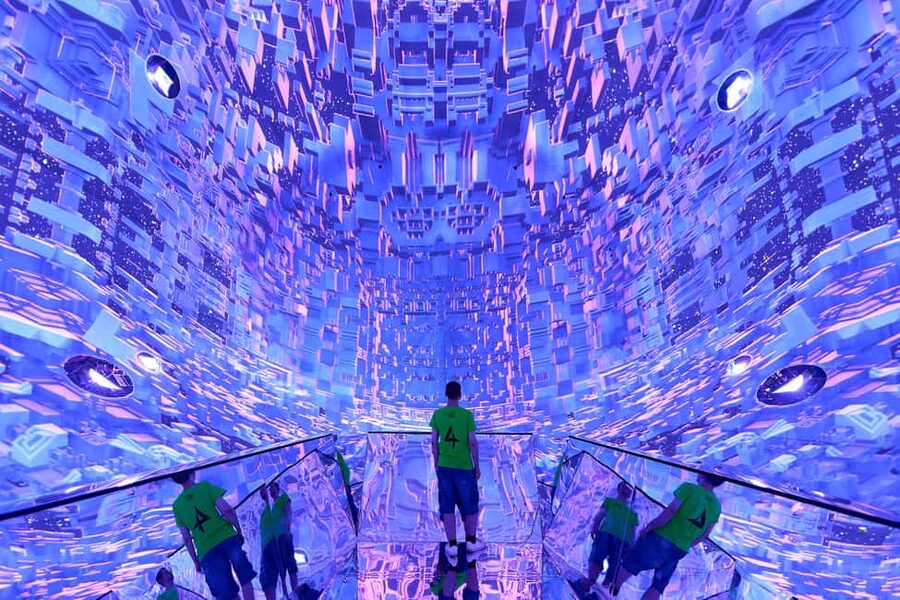
The ticket is valid for one day, with available starting times shown when you book. Once inside, the suggested exploration time is two hours, but actual visit lengths can vary.
If the full collection is operating and you enjoy reading the English explanations, two hours should feel comfortable. You can view the works, pause at the strongest installations, and revisit the dome or Sphere.
If some artworks are closed, the visit may be much shorter. One experience lasted only about 20 minutes because several displays were unavailable, though the open works still made the trip worthwhile. That is the main practical uncertainty here. You are paying for access to a changing exhibition, not a guaranteed number of functioning installations.
For the best chance of a calm visit, I would choose an early entry time. Limited attendance helps, but the museum can still feel more rewarding when you have room to stand back from projections and take photographs without pressure.
Is $18 good value?
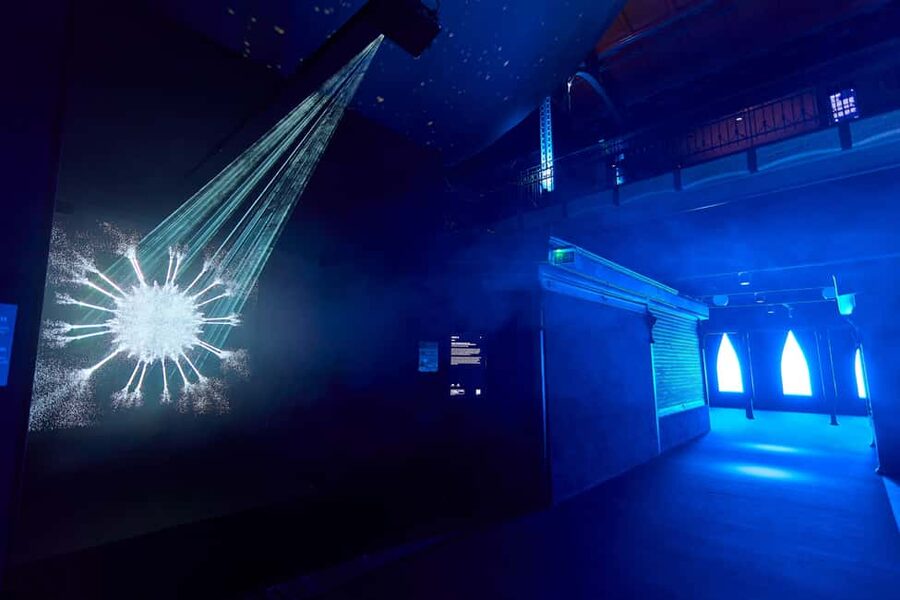
At $18 per person, the ticket is reasonably priced for a distinctive two-hour activity in central Budapest. It is not the cheapest museum visit in the city, but it offers a type of art experience that is difficult to compare directly with a standard gallery.
The value is strongest if you enjoy:
- Optical illusions and visual experiments
- Modern and contemporary art
- Projection mapping and new media
- Taking photographs of unusual installations
- Visiting with children or teenagers
- Exploring at an unhurried pace
The value is weaker if you want a traditional collection with clear labels, famous paintings, or a consistent artistic quality from one room to the next. Some works may leave you impressed, while others may seem underwhelming or too abstract.
The ticket includes admission and the skip-the-line option, but not a guided tour. That is fine for this type of museum. You are paying for the setting and the installations, not for a lecture.
Free cancellation up to 24 hours before the visit and reserve-now, pay-later booking make it easier to fit into a changing Budapest schedule. The important decision is not the booking flexibility. It is whether this style of art suits you.
What could be better
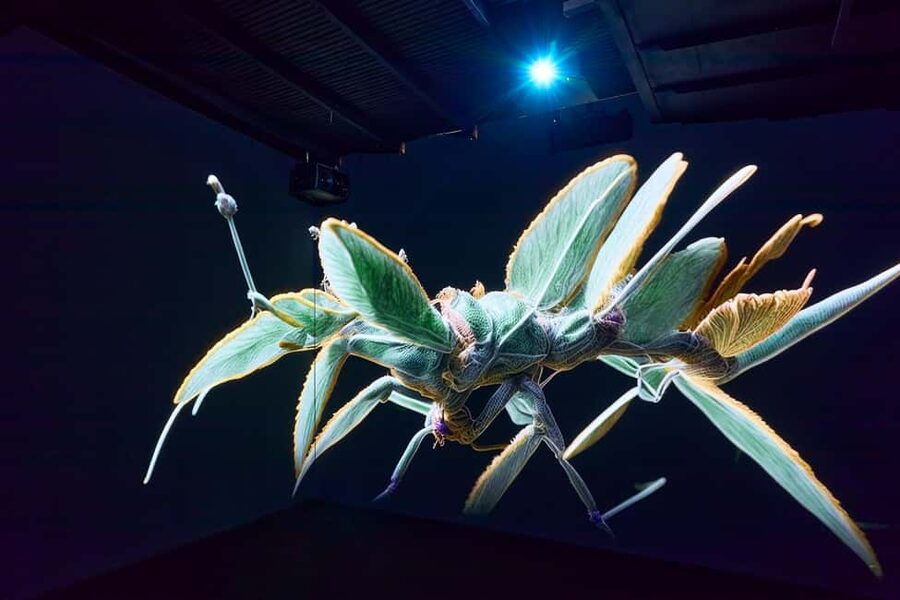
The museum’s biggest weakness is inconsistency. The most successful installations feel unusual, polished, and memorable. Others may seem thin, especially if the concept depends on a written explanation rather than an immediately engaging visual effect.
The number of interactive pieces may also feel limited to anyone expecting constant participation. Some works surround you with light but do not ask you to control or alter anything.
Temporary closures are another concern. Since the exhibition includes electronic and projection-based art, not every work may be available on every visit. If you are coming mainly for one specific installation, it is sensible to ask what is open when you arrive.
Finally, the information screens may switch between languages before you finish reading. English is available, but the presentation is not always as smooth as it could be.
None of these issues ruins the visit. They simply mean you should arrive with the right expectations. Think of the museum as an experimental art walk with several excellent highlights, not as a flawless sequence of major works.
Who should visit the Light Art Museum?
I would recommend it to you if you want something different from Budapest’s established museums. It is a good match for couples, families, teenagers, photographers, and anyone curious about how light can become an artistic material.
It also suits people who do not usually visit art museums. You can enjoy the strongest displays without knowing art history, then explore the background if you become curious.
I would be more cautious if you dislike abstract work or need every exhibit to have an obvious purpose. The museum asks you to accept a little uncertainty. Some pieces communicate through sensation rather than a simple story.
If you have only one free hour, the visit becomes less attractive because closures or a quick pace may reduce the value. With two hours available, the ticket makes more sense, especially if you arrive early and take time with the Sphere and dome.
Should you book it?
Book the Light Art Museum if you want a playful, indoor Budapest experience built around light, space, and perception. The former market setting, the Moholy-Nagy and Vasarely connections, and the strongest installations give it more substance than a simple photo attraction.
I would not book it expecting every display to amaze you. A few works may feel obscure, and some may be closed. But at $18, with a sensible two-hour visit and limited entry numbers, it is a fair choice for curious minds and families. Arrive early, lie down in the dome, read the English information when you can, and give the unusual pieces a chance before deciding what you think.
FAQ
How much does admission cost?
Admission costs $18 per person.
How long is the Light Art Museum experience?
The ticket includes about two hours of exploration, although the actual visit can be shorter or longer depending on which installations are open and how much time you spend reading and revisiting works.
Is the ticket valid for more than one day?
No. The ticket is valid for one day. Available starting times are shown when you check availability.
Is there a guide included?
No. The experience is self-guided. An English or Hungarian host or greeter is available at the meeting point.
Is a skip-the-line option available?
Yes. Admission includes a skip-the-ticket-line option. Let the hosts know if you would like to use it.
Is the museum suitable for children?
Yes, the experience is described as family-friendly, and young children can enjoy the colorful and interactive works. One section is specifically intended for people over 18.
Are English explanations available?
Yes. Information about the art is available in English, although the information screens may switch between languages while you are reading.
Can I cancel for a full refund?
Yes. You can cancel up to 24 hours in advance for a full refund. Reserve-now, pay-later booking is also available.
Just added around Budapest
- Lake Balaton and Herend Guided Tour★ 4.7 · 3 reviews
- Audio visual multi-sensory chefs journey dinner experience★ 5.0 · 3 reviews
- Hollókő Ethnographic Village: Day Tour from Budapest★ 3.7 · 3 reviews
- Tapolca Cave Lake and Tihany/ Balaton private tour from Budapest★ 4.5 · 3 reviews
- Budapest Art Nouveau Walking Tour★ 5.0 · 3 reviews
- SzentEndre-SaintAndrew City Privately Shopping and Picturesque★ 4.5 · 3 reviews
- Budapest Drinks and Piano Show Cruise★ 4.5 · 3 reviews
- Horseshow on the Hungarian Puszta, private tour from Budapest with entry!★ 5.0 · 3 reviews
Museums, compared.




Budapest Card: Free Public Transport, Spa & Museums with Delivery
What we thought →
Budapest Dohany Synagogue & Hungarian Jewish Museum & free extras
What we thought →
Travelling Galaxy Star Wars Interactive Exhibition
What we thought →
Skip the Line: Budapest Pinball Museum Admission Ticket
What we thought →Browse the lists this tour appears in