
Reviewed · MUSEUMS
Budapest: Budapest Retro Interactive Museum Ticket
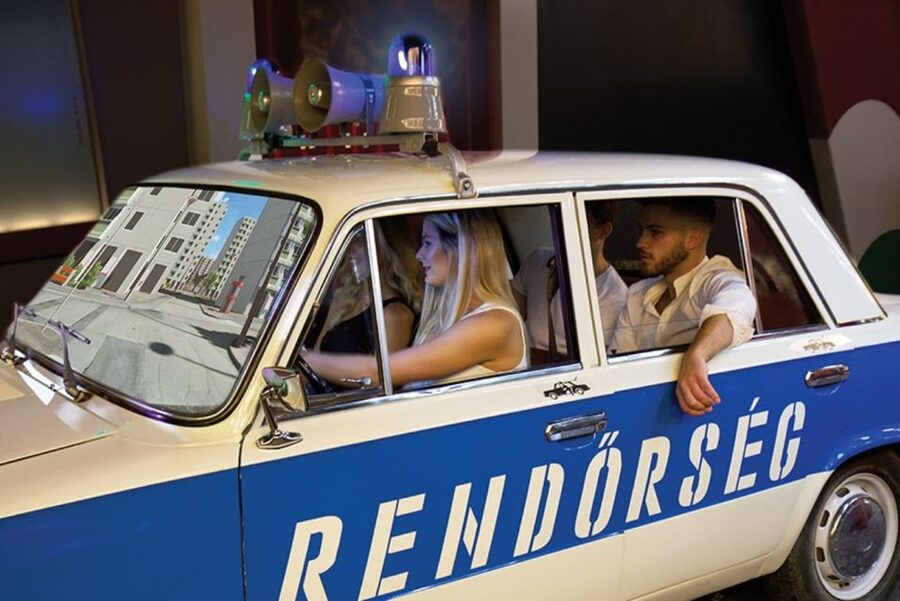
Step into Hungary’s communist past. The Budapest Retro Interactive Museum turns a serious period of history into a playful, hands-on visit, with period cars, music, television props, sweets, drinks, and everyday objects from life before the regime change. I especially like the chance to climb into a real LADA police car and try the old jukebox. The interactive displays make this more than a room of glass cases.
I also like the museum’s connection to ordinary life. You can learn about Bambi, Márka cherry drink, Turbo chewing gum, and the famous Debreceni sausage, then try some of them at the on-site bistro. The main drawback is that some exhibits are not in English, so you may miss part of the story unless you are happy to learn through objects, pictures, and hands-on activities.
In This Review
- Key things to know before you go
- Why this museum works better than a standard history display
- Three floors of everyday communist Hungary
- Sitting in the LADA police car
- Becoming a television newscaster
- Bertalan Farkas and the Hungarian space connection
- Phone booths, jokes, and the 1971 jukebox
- Retro snacks at the museum bistro
- Is $15 good value for Budapest?
- Who will enjoy the Budapest Retro Museum most?
- How to plan your visit
- Final verdict: should you book it?
- FAQ
- How long should I spend at the Budapest Retro Interactive Museum?
- What does the admission ticket include?
- Can I eat at the museum?
- Is the museum available in English?
- What are the museum’s closing dates?
- Do seniors receive anything extra?
- Can I cancel my booking?
Key things to know before you go
- Three floors of communist-era displays: Plan on roughly 1 to 2 hours, depending on how long you spend with the interactive stations.
- A real LADA police car: Climb inside and get a feel for one of the era’s most recognizable vehicles.
- Television and space exhibits: Try presenting the news in a period studio and see what Hungarian astronaut Bertalan Farkas took into space.
- Retro food and drink: The bistro sells Debreceni sausage, punch mignon, Márka cherry, Kőbányai beer, and other period favorites.
- Music and phone booths: Play a 1971 jukebox and listen to old jokes or cabaret recordings.
- Good value for a short visit: At about $15 per person, it works well as a compact downtown stop, especially for families and anyone curious about daily life under communism.
Why this museum works better than a standard history display
The museum focuses on experience. Instead of asking you to read long panels about Hungary’s communist period, it gives you objects to see and activities to try. You can sit in a police vehicle, handle the idea of a television broadcast, listen to old recordings, and look at products that once filled Hungarian homes and shops.
That approach gives you a useful sense of daily life. Political history can feel distant when it is reduced to dates and leaders. A fizzy drink, a packet of washing powder, or a piece of chewing gum can tell you how people spent money, what they wanted, and what products carried a strong memory.
The tone is not purely solemn. There is humor throughout, and that feels appropriate for a museum about a period when people often found private ways to joke about public life. You will find old cabaret and comedy recordings in telephone booths, along with playful stations that invite you to take part rather than simply look.
I would not treat this as a full political history of Hungary. It is better at showing the texture of the period than explaining every event. For that reason, it works especially well after you have seen some of Budapest’s major historic sights and want a closer look at how modern life felt behind the Iron Curtain.
More museums and galleries:
- Budapest: Cat Museum Budapest Entry Ticket
★ 4.4 · 2,210 reviews - Budapest: Light Art Museum – Immersive New Media Experience
★ 3.9 · 1,269 reviews - Star Wars story Museum Ticket Pass
★ 5.0 · 249 reviews
Three floors of everyday communist Hungary
The Budapest Retro Erlebnispark occupies three floors, so the visit has a clear sense of movement. You progress through displays covering transport, television, consumer goods, popular culture, and personal memories.
The museum is not huge. Many people will finish in less than two hours, while families with children or anyone who stops at each activity may take longer. The one-day ticket gives you flexibility, but you probably will not need an entire day unless you take a long break at the bistro.
The scale is part of the appeal. You can see a lot without committing half a day to a large museum. If you have a packed Budapest schedule, this is an easy addition between other downtown activities.
Some displays are visually clear even when you cannot read every word. Cars, household objects, packaging, and old media equipment communicate quickly. Still, the language issue matters. Parts of the museum are not fully presented in English, and this can leave you unsure about the meaning of an exhibit. If the historical explanation matters as much as the objects, allow extra time to read what you can or consider visiting with someone who understands Hungarian.
Sitting in the LADA police car
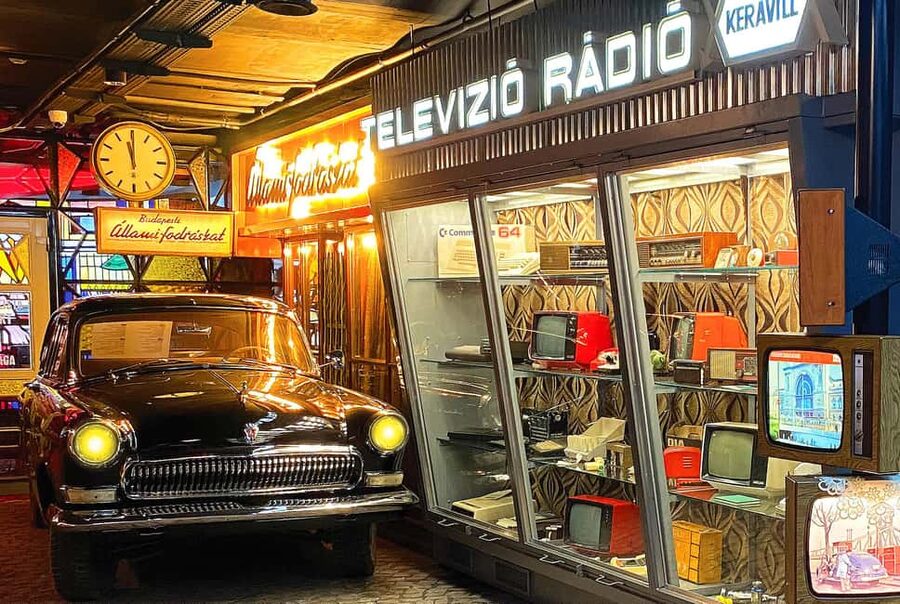
The LADA police car is one of the museum’s most memorable displays. You can climb inside a genuine eighties-era vehicle and picture the role it played in official life. It is a simple activity, but it gives the museum a physical focus that a display case cannot match.
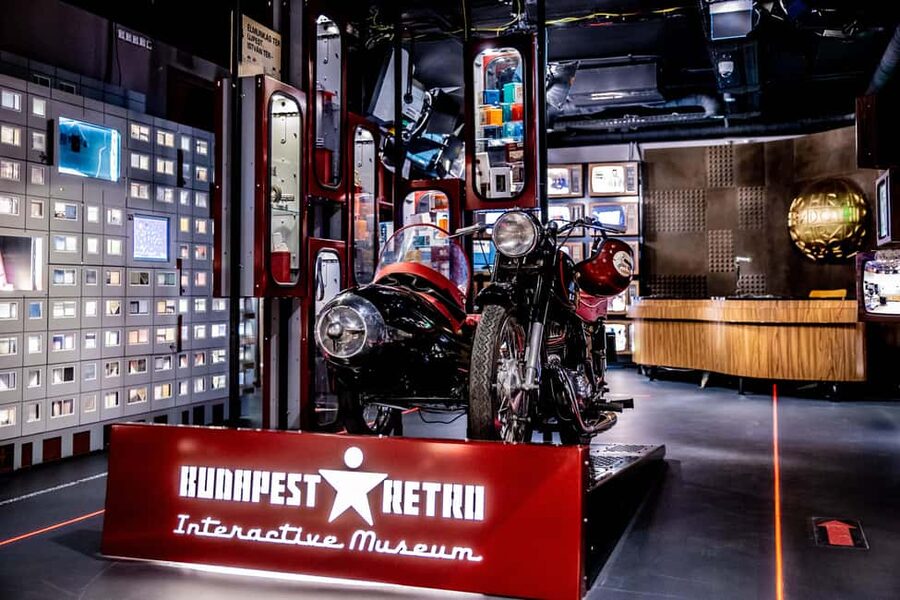
Classic cars and motorbikes receive strong attention here. For many people, these vehicles will be the main reason the museum feels lively rather than academic. Children can connect with the size and shape of the cars, while adults may recognize them from old photographs, films, or family memories.
The appeal is not limited to car fans. The LADA was part of the visual language of the period. Seeing the police version helps you think about how transport, government, and daily routine appeared in ordinary streets.
You may need to wait briefly at popular stations if the museum is crowded. The police car and other hands-on displays naturally draw people in, so do not expect to move through every activity without pauses. That is another reason to keep your schedule flexible rather than treating the museum as a timed, fast visit.
Becoming a television newscaster
One of the more playful stations lets you try presenting the contemporary Híradó news. This puts you in the position of a period newscaster and shows how television helped shape public life.
The activity is especially useful for families because it gives children something clear to do. It also helps adults understand the museum’s tone. You are not being asked to admire the past uncritically. You are invited to test it, perform in it, and notice how strange some of its media rituals can feel today.
The television display also connects with the museum’s wider theme: official messages were a major part of life under the communist system, but people consumed them alongside family jokes, music, and private opinions. The museum does not need a long lecture to make that contrast noticeable.
If you want detailed political context, this section may feel light. Its strength is the hands-on presentation, not a full account of Hungarian broadcasting. I found it most useful as a prompt to think about how much of everyday life once passed through a few state-controlled channels.
A few more trips worth weighing up before you book
- Budapest: Széchenyi Spa Day Ticket with Optional Upgrades
★ 4.3 · 23,911 reviews - Budapest: Parliament Building Entry Ticket and Audio Guide
★ 4.5 · 3,844 reviews - Budapest: Full-Day Gellért Spa Ticket
★ 4.2 · 3,340 reviews - Budapest: Cinema Mystica Entry Ticket
★ 4.3 · 3,103 reviews
Bertalan Farkas and the Hungarian space connection
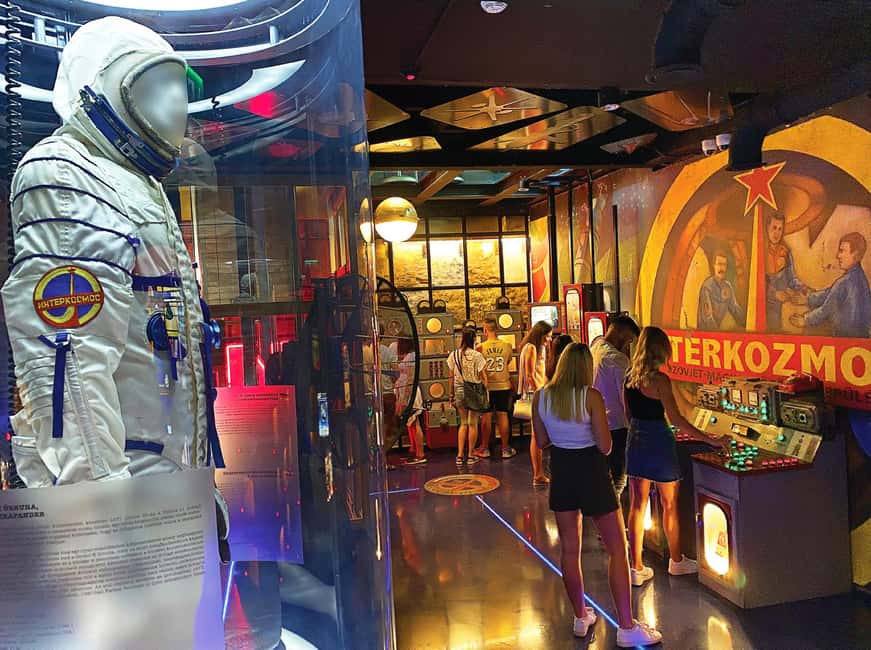
The space display adds an unexpected change of scale. You can see what Bertalan Farkas took with him into space, including the type of alcoholic jelly associated with his mission.
This is a small but memorable detail because it links Hungarian life to the wider Soviet space program. Space travel was not only a scientific achievement. It was also a source of national pride and a powerful public story during the communist period.
The display works best when you pay attention to the ordinary objects connected with the mission. They bring the story down from rockets and politics to food, personal items, and the practical details of a space journey.
As with other exhibits, the amount of English information may vary. The object itself is easy to appreciate, but a reader who wants the full background may find the explanation limited. Treat it as one part of the museum’s larger collection rather than a stand-alone space museum.
Phone booths, jokes, and the 1971 jukebox
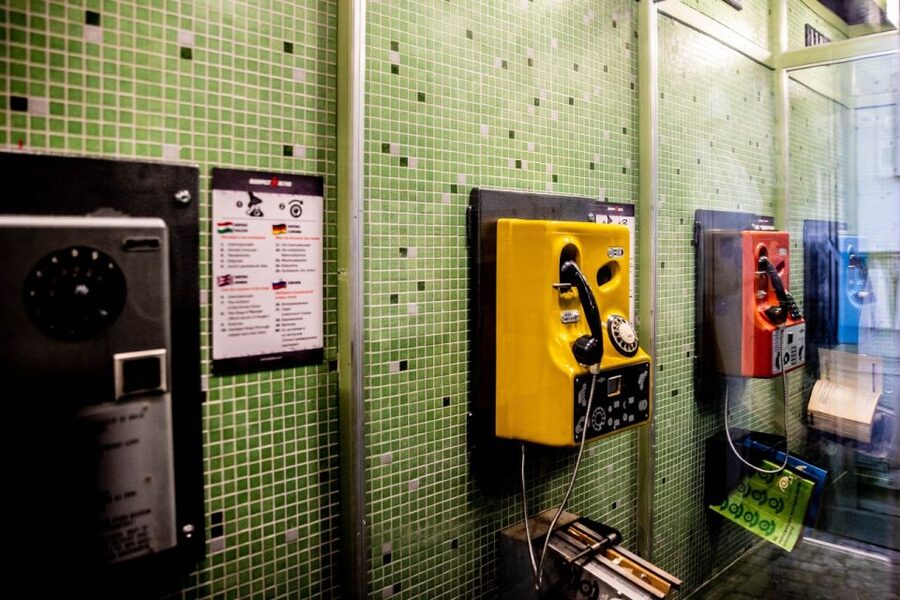
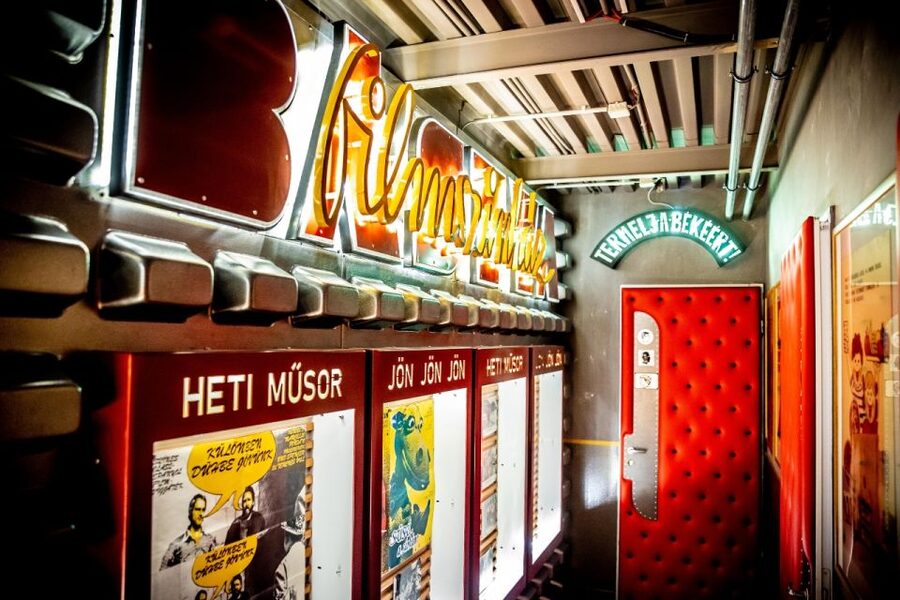
The phone booths let you listen to period jokes and cabaret. This is one of the museum’s more authentic-feeling touches because humor often reveals a society more clearly than official slogans do.
You can also play music on a jukebox dating from 1971. The jukebox adds sound to the visit and helps break up the visual displays. It is a small feature, but it gives the museum energy and encourages you to linger.
These stations work well for groups. One person can listen while others explore nearby displays, then you can compare what you found. The activities also help younger visitors stay interested during sections that contain more objects than action.
Crowding could affect how long you wait for a phone booth or the jukebox. The museum is compact, and popular features can feel busy when several groups arrive together. If you prefer a quieter visit, go at a less crowded time and avoid rushing from one station to the next.
Retro snacks at the museum bistro
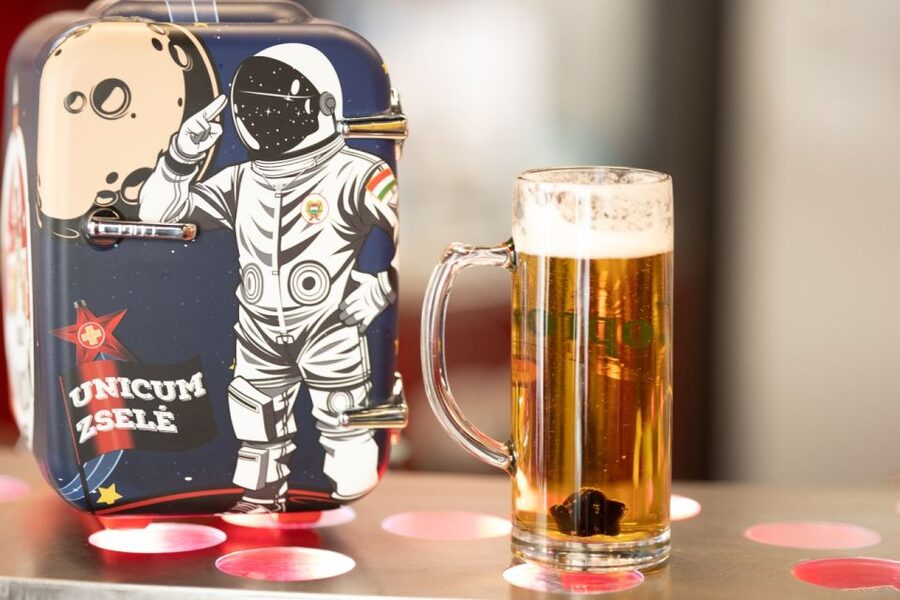
The Retro bistro is more than a place to buy a drink. It extends the museum’s idea into taste and smell, although food and drinks cost extra.
You might try a fried Debreceni sausage, a sweet punch mignon, Márka cherry, or Kőbányai beer. The menu reflects the period’s fondness for filling food, sugary treats, and familiar local brands. Some choices may feel old-fashioned in the best sense. Others may be a reminder that nostalgia does not always mean refinement.
Bambi is another notable retro drink. It is often remembered as a classic summer beverage from the communist era, and its presence helps explain why the museum pays such close attention to products that might seem minor today.
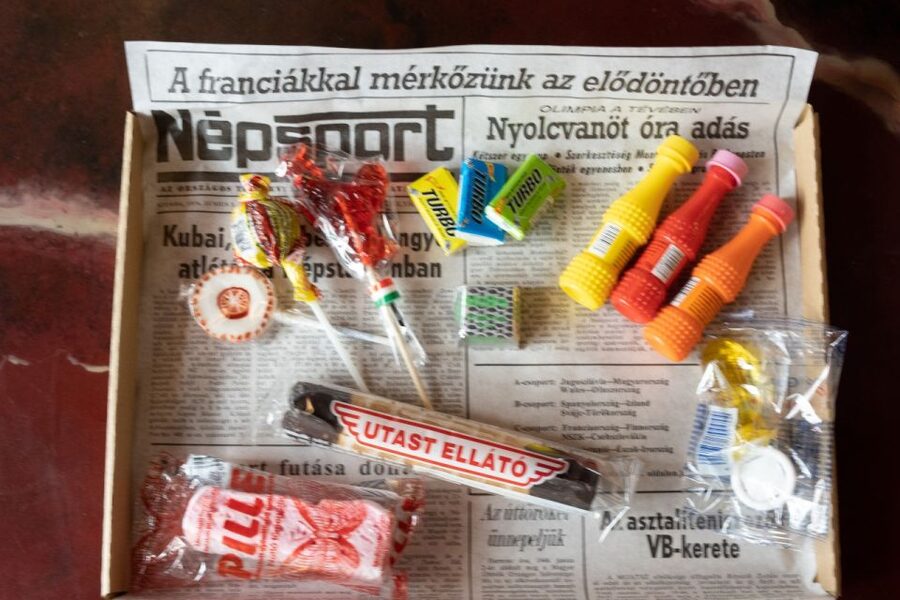
You will also find references to limo powder, a powdered drink that, according to the museum’s playful presentation, was famously not always put into water. Turbo chewing gum and the rooster lollipop continue the candy theme, while the alcoholic jelly linked with Bertalan Farkas gives the food display a stranger, more surprising edge.
I like the bistro because it lets you test the period rather than only look at it. Still, plan for an extra purchase if you want the full experience. The $15 admission covers entry, not food or drink, so the final cost depends on how much you sample.
Is $15 good value for Budapest?
At around $15 per person, this is a fair price for a 1 to 2 hour museum visit. The value comes from the number of things you can actively do, not from the size of the collection. You are paying for a compact, themed experience with cars, media stations, music, space memorabilia, and food options.
It is a better deal for families, couples, and curious adults than for someone seeking a large scholarly museum. If you only want to glance at objects, the visit may feel short. If you try the activities, listen to the recordings, inspect the vehicles, and stop for a snack, the price feels more reasonable.
Prices can vary by day of the week, so check the current rate before booking. The ticket is valid for one day, and you can cancel up to 24 hours ahead for a full refund. A reserve-now, pay-later option is also available, which helps if your Budapest plans are still shifting.
Seniors aged 65 and over receive a free coffee on Wednesdays when buying a senior ticket. That is a small but useful benefit if your schedule happens to line up.
Who will enjoy the Budapest Retro Museum most?
I would recommend this museum to anyone with an interest in twentieth-century daily life, old cars, Soviet-era culture, or Hungarian pop culture. It is also a good choice when you want something lighter than a formal history museum.
Families should find plenty to keep children occupied. Sitting in the police car, presenting the news, using the phone booths, and playing the jukebox give younger visitors clear activities. The exhibits also offer adults a chance to explain what life was like before smartphones, private television channels, and modern consumer choice.
The museum can suit a mixed-age group particularly well. Older visitors may recognize the brands and objects, while younger people can enjoy the oddity of a world built around landline phones, state television, and limited product choices.
I would be more cautious if you need every exhibit explained in English. Some sections are not easy to understand without Hungarian, and the museum’s compact size may disappoint anyone expecting a major national collection. Hot weather can also be a concern, since the air conditioning may not cool the building as much as you expect.
How to plan your visit
Present your voucher at the Budapest Retro Élményközpont ticket counter. The activity begins and ends at the museum, so you do not need to arrange transport as part of the ticket.
Allow at least an hour if you are short on time, but 1 to 2 hours is the sensible estimate. Add time if you want to eat or drink at the bistro. Since the ticket is valid for one day, you have some room to fit the museum around other downtown plans.
The museum closes on January 1 and December 24, 25, and 26. Check the opening details for your chosen date, since the price may change during the week.
I would avoid scheduling this as a rushed stop between fixed reservations. The displays are small enough to see quickly, but the activities are the reason to visit. Give yourself time to listen, climb into the car, try the television station, and look at the products rather than ticking the museum off your list.
Final verdict: should you book it?
Book the Budapest Retro Interactive Museum if you want history with a playful edge and a close look at ordinary communist-era life. The LADA police car, old jukebox, television studio, phone booths, and retro snacks give the visit a personal feel that a standard display of artifacts cannot provide.
Skip it if you want a long, fully English-language account of Hungary’s political history or a large museum that fills an entire afternoon. For most visitors, though, the $15 price is reasonable for a compact and unusual stop, especially if you enjoy cars, family activities, period music, or food memories.
I would place it high on your list for a rainy afternoon, a family outing, or a break from Budapest’s grand architecture. Just keep your expectations realistic: this is a lively time capsule, not a complete history course.
FAQ
How long should I spend at the Budapest Retro Interactive Museum?
The suggested visit lasts 1 to 2 hours. You may spend longer if you take your time with the interactive displays or stop at the bistro.
What does the admission ticket include?
The ticket includes admission to the Budapest Retro Erlebnispark. Food and drinks at the museum bistro are not included.
Can I eat at the museum?
Yes. The Retro bistro sells food and drinks, including fried Debreceni sausage, punch mignon, Márka cherry, and Kőbányai beer. Purchases cost extra.
Is the museum available in English?
Some of the museum is not in English, so you may not understand every explanation. The objects, vehicles, music, and interactive features can still be enjoyed without reading every panel.
What are the museum’s closing dates?
The museum is closed on January 1 and December 24, 25, and 26.
Do seniors receive anything extra?
On Wednesdays, visitors aged 65 and over who buy a senior ticket receive a free coffee.
Can I cancel my booking?
You can cancel up to 24 hours in advance for a full refund. A reserve-now, pay-later option is also available.
Just added around Budapest
- Lake Balaton and Herend Guided Tour★ 4.7 · 3 reviews
- Audio visual multi-sensory chefs journey dinner experience★ 5.0 · 3 reviews
- Hollókő Ethnographic Village: Day Tour from Budapest★ 3.7 · 3 reviews
- Tapolca Cave Lake and Tihany/ Balaton private tour from Budapest★ 4.5 · 3 reviews
- Budapest Art Nouveau Walking Tour★ 5.0 · 3 reviews
- SzentEndre-SaintAndrew City Privately Shopping and Picturesque★ 4.5 · 3 reviews
- Budapest Drinks and Piano Show Cruise★ 4.5 · 3 reviews
- Horseshow on the Hungarian Puszta, private tour from Budapest with entry!★ 5.0 · 3 reviews
Museums, compared.

Light Art Museum – Immersive New Media Experience
What we thought →
Budapest Card: Free Public Transport, Spa & Museums with Delivery
What we thought →
Budapest Dohany Synagogue & Hungarian Jewish Museum & free extras
What we thought →
Travelling Galaxy Star Wars Interactive Exhibition
What we thought →
Skip the Line: Budapest Pinball Museum Admission Ticket
What we thought →Browse the lists this tour appears in