
Reviewed · MUSEUMS
Budapest: Mika Tivadar Secret Museum Entry Ticket
History hides in small rooms. The Mika Tivadar Secret Museum turns 140 square meters on Kazinczy Street into a compact journey from the late 19th century through the years between the two world wars. I like the intimate scale and the unusual mix of photographs, antique objects, sound effects, and written stories. I also like that you can have a cocktail at the bar after, or even while, exploring the museum area. The main drawback is simple: this is a short, self-guided experience, so anyone expecting a large traditional museum or a live guide may leave wanting more.
The museum does more than explain one building. It connects the site with nearby hotels, baths, cinemas, cabarets, brothels, wartime events, and the many ethnic communities that shaped Budapest. The free audio guide works through your own charged smartphone and is available in eight languages. At just $5 per person, it is an easy addition to a walk through District 7, though the small size means the value depends on how much you enjoy reading, listening, and following historical connections at your own pace.
In This Review
- Five things to know before you go
- Finding the museum on Kazinczy Street
- A 140-square-meter museum with a lot to say
- The building’s famous former life
- Famous names and unexpected connections
- An audio guide that keeps the visit flexible
- Why the cocktail bar changes the mood
- What the $5 price really buys you
- Who will enjoy this short museum most?
- A practical way to fit it into your Budapest day
- Should you book the Mika Tivadar Secret Museum?
- FAQ
- How long does the Mika Tivadar Secret Museum visit take?
- How much does entry cost?
- Is a museum guide or tour guide included?
- How does the audio guide work?
- Where do you meet for the experience?
- Is the museum wheelchair accessible?
Five things to know before you go
- The first Hungarian hotel museum: The experience focuses on the story of its own historic house and the buildings around it.
- A 30-minute central Budapest stop: The planned visit is short, but you can spend longer with the audio chapters and displays.
- History with a cocktail bar: The on-site restaurant and bar make this more relaxed than a standard museum visit.
- Eight-language audio access: Scan the QR code and listen on your own phone using the free Wi-Fi.
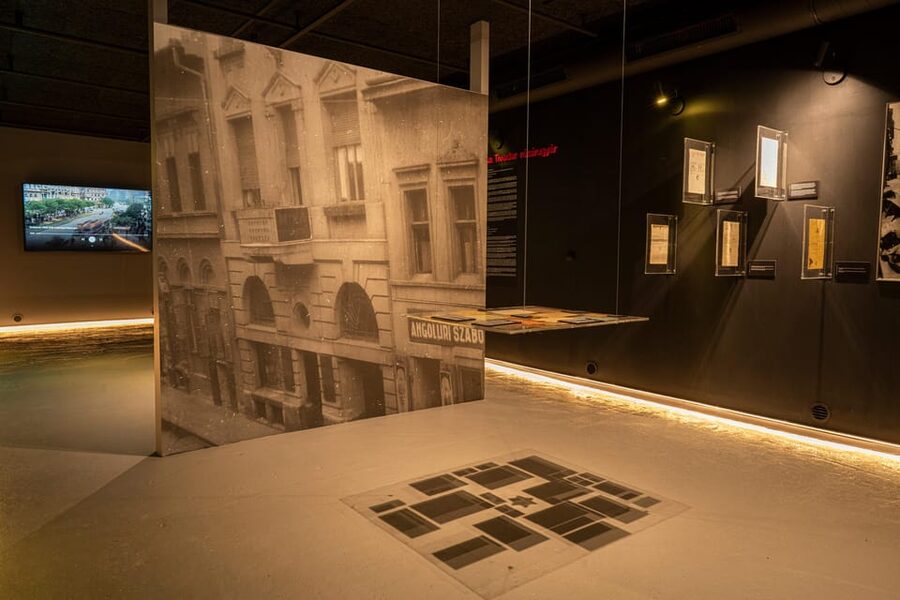
- Kazinczy Street in miniature: You will encounter stories about cinemas, cabaret, baths, wartime life, famous figures, and the Budapest Ghetto.
Finding the museum on Kazinczy Street
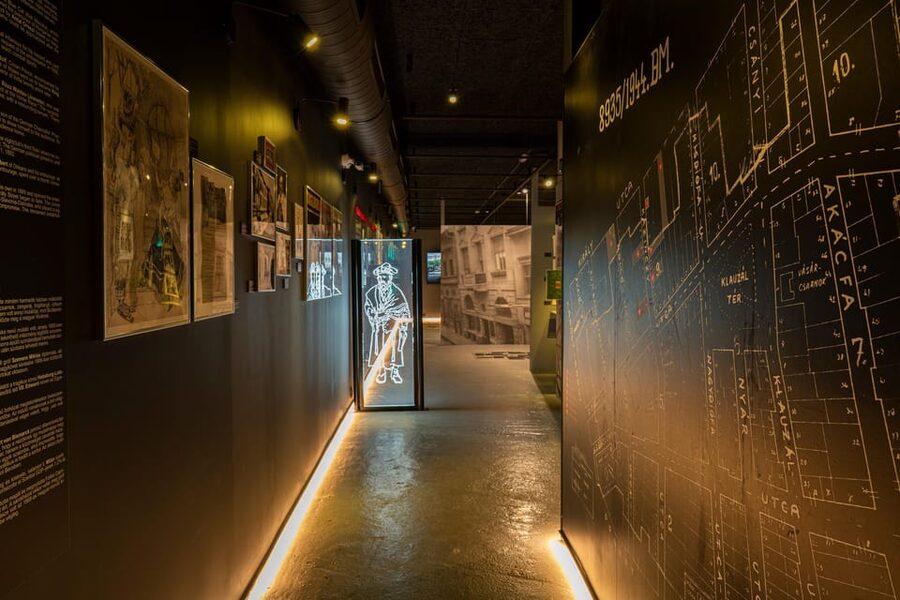
Your starting point is the Hotel Mika Downtown reception. That detail matters because this is not a grand museum entrance with a large sign and a formal ticket hall. You begin at a working hotel, then move into a small heritage display connected to the property.
The location is in central Budapest, in District 7. That puts the museum in a useful spot for a day spent around Kazinczy Street and the surrounding party district. You can pair it with a walk through the neighborhood rather than making a long journey across the city for a single attraction.
The ticket includes skip-the-line entry, though the museum’s modest size means the practical benefit is mainly convenience. You receive a printed flyer, a short explanation of what you will find, and access to the audio material. There is no museum guide or tour guide accompanying you, so you control the pace from the start.
I would arrive with a fully charged phone. The audio guide is accessed on your own device, and free Wi-Fi is available, but a weak battery can turn a pleasant self-guided visit into a silent one.
More museums and galleries:
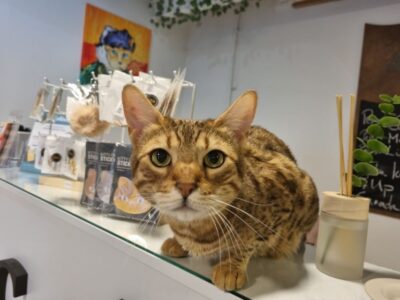
- Budapest: Cat Museum Budapest Entry Ticket
★ 4.4 · 2,210 reviews - Budapest: Light Art Museum – Immersive New Media Experience
★ 3.9 · 1,269 reviews - Budapest: Budapest Retro Interactive Museum Ticket
★ 4.4 · 373 reviews
A 140-square-meter museum with a lot to say
The first surprise is the contrast between the museum’s size and its subject matter. The space is only 140 square meters, yet it reaches across several decades and a wide stretch of Budapest life.
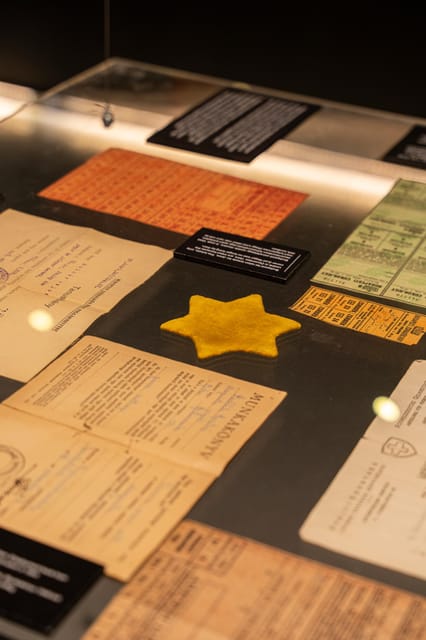
You are not simply looking at objects behind glass. The displays use authentic installations, photographs, written narratives, voiceovers, and sound effects. Background music helps set the period, giving the reading experience a little atmosphere instead of leaving you in a quiet room with rows of labels.
The museum’s goal is to recreate a period stretching from the end of the 19th century to the years between the two world wars. That was a time when Budapest was tied closely to the wider political and cultural world of Europe. The stories show how local life was shaped by large powers, changing technology, tourism, entertainment, migration, and war.
I like this approach because you get a sense of a city in motion. You are not asked to memorize a list of dates. Instead, the building becomes a starting point for stories about the people and businesses that once occupied this part of Budapest.
The small footprint also makes the experience manageable. You can take in the main displays without committing half a day. If you read every panel and listen to the audio chapters, you may want more than the advertised 30 minutes. One useful detail from the visitor information is that some people spend about an hour and remain as long as they wish during the visit.
The building’s famous former life
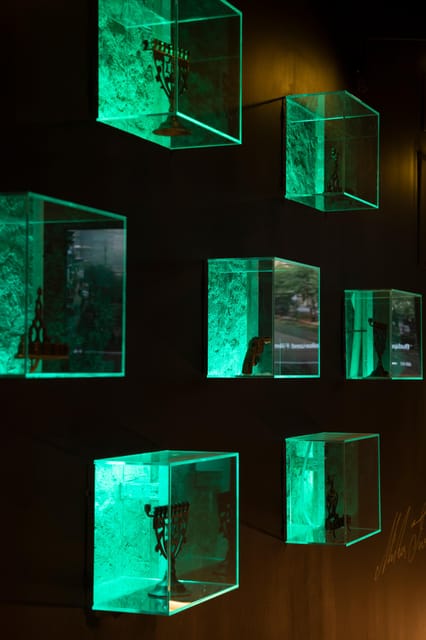
The museum’s strongest material comes from the surprising past attached to the property and its neighbors. This was not an isolated address. It was part of a busy urban setting where hotels, nightlife, commerce, and entertainment overlapped.
The site is associated with Hungary’s first cinema. It also connects with Michael Curtiz, the Hungarian-born director who later won an Oscar for Casablanca. You will not be watching a film here, but the connection adds a memorable human thread to the story of Budapest’s early cinema.
Another chapter concerns the Blue Cat, described as Europe’s most famous cabaret. That story helps explain why this stretch of Kazinczy Street was more than a residential or commercial area. It was a place where people came to be entertained, seen, and perhaps surprised.
The museum also presents the location’s connection with Hungary’s first steam bath, which once stood in front of the present site. According to the historical material, that location was later transformed into a hotel. Details like this give you a better sense of how Budapest’s buildings changed use over time.
You will also encounter the former copper shop that occupied the site during World War II. The present cocktail bar now operates in that same setting. That shift, from working copper shop to restaurant and bar, is one of the most appealing physical links between the past and the present.
The displays include a Budapest brothel scene as well. This is not a polished story of famous architecture alone. The museum includes the less respectable, more complicated side of urban life, which makes the district easier to understand.
Famous names and unexpected connections
The museum gives you recognizable names to help anchor the stories. King Edward VII of the United Kingdom, Otto von Bismarck, and Milan I of Serbia are all connected with the building’s history as legendary visitors.
These names are useful because they show the reach of the hotel and its social world. You are not only learning about local residents. You are seeing how Budapest functioned within the networks of European politics, diplomacy, travel, and high society.
The museum also presents an unexpected connection between Sylvester Stallone, Arnold Schwarzenegger, and a tiny house on Kazinczy Street. The supplied information does not spell out the full detail in advance, and that is part of the attraction. You will need to follow the exhibit to see how the connection is explained.
Another unusual story links veterans of the 1848 to 1849 Hungarian Revolution with the Mexican Civil War. It is the sort of historical side road that gives this museum its character. You may arrive expecting a local building story and leave with a link between Hungary and Mexico that you did not know existed.
I appreciate that the displays do not treat Hungarian history as a sealed national story. The museum makes room for the many ethnic communities living in Hungary and shows how local events connected with the wider world. For international visitors, this approach can make the material easier to relate to.
A few more trips worth weighing up before you book
- Budapest: Széchenyi Spa Day Ticket with Optional Upgrades
★ 4.3 · 23,911 reviews - Budapest: Parliament Building Entry Ticket and Audio Guide
★ 4.5 · 3,844 reviews - Budapest: Full-Day Gellért Spa Ticket
★ 4.2 · 3,340 reviews - Budapest: Cinema Mystica Entry Ticket
★ 4.3 · 3,103 reviews
An audio guide that keeps the visit flexible
The audio guide is one of the best practical features. You scan a QR code, use your own phone, and choose from eight languages. Voiceovers and sound effects add an extra layer to the photographs and written narratives.
This format works well if you prefer to stop and start as you wish. You can listen to a chapter, examine the nearby objects, then move on without waiting for a group. It also means you are not tied to a guide’s speaking speed.
The trade-off is that you are responsible for your own device. Bring a charged smartphone, and use the free Wi-Fi if needed. There is no separate audio handset mentioned, and no live guide is included.
If you like personal pacing, that is a fair exchange. If you prefer to ask questions or have someone explain the context in person, the museum may feel a little hands-off. The staff greet you, provide the flyer, and briefly explain what is available, but the main interpretation comes through the displays and phone-based audio.
I would plan to listen to at least the main chapters rather than rushing through the room. The museum is small enough that a quick glance is possible, but the value comes from the connections between buildings and events.
Why the cocktail bar changes the mood
A museum with an on-site cocktail bar is not an everyday combination. Here it makes sense because the bar occupies a space with its own historical story, including the former copper shop connection.
You can have a cocktail while exploring the museum area, according to the experience details. The site also has a restaurant serving brunch and cocktails. This gives you the option of turning a 30-minute museum visit into part of a longer stop for food or a drink.
I like the relaxed setting, especially after a busy walk through Budapest. You can absorb the displays without the solemn atmosphere found in a major national museum. The music, bar, and compact exhibits create something closer to a historical lounge.
Still, the bar will not appeal to everyone. Some people may prefer a quiet museum with a strict separation between displays and dining. The cocktail element is a bonus, not a replacement for the historical content. If you are visiting mainly for serious research, keep your expectations focused on an introductory specialty museum.
What the $5 price really buys you
At $5 per person, this is one of the easier Budapest attractions to fit into a daily budget. The price covers entry to the 140-square-meter museum, the printed flyer, the eight-language audio access, voiceovers, sound effects, and the heritage hotel setting.
The value is strongest when you are already in District 7. You do not need to dedicate an entire afternoon or pay a major admission fee. The museum gives you a quick historical layer to add before dinner, after a neighborhood walk, or during a break at the bar.
The price is less compelling if you judge museums by square footage. This is not a large collection, and you will not spend hours moving through gallery after gallery. Its appeal rests on the density of the stories, the unusual location, and the chance to connect the displays with the streets outside.
I would consider it good value for curious visitors who enjoy local details. It is especially useful for people who want context for the party district beyond its present-day bars and nightlife. The museum helps you see that Kazinczy Street has had many identities.
Who will enjoy this short museum most?
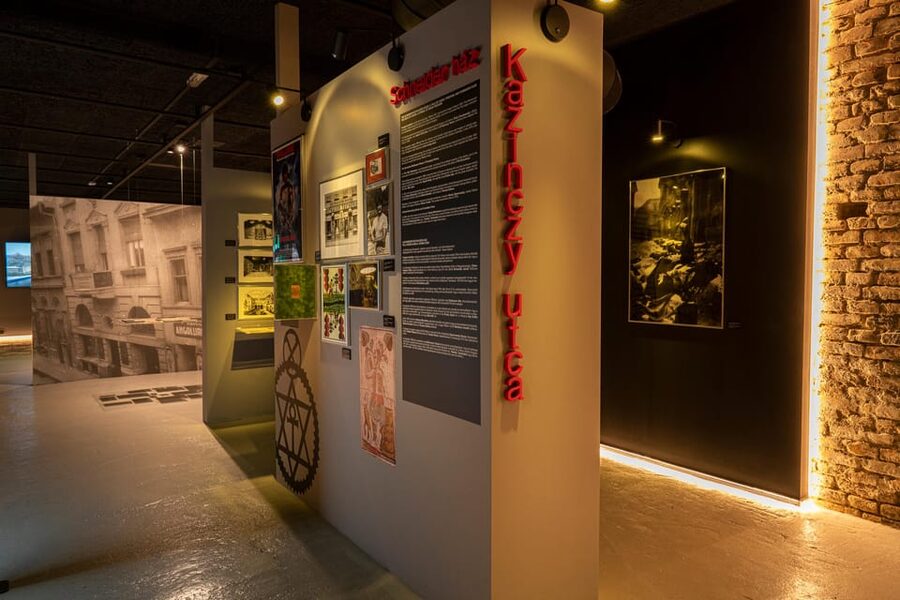
I would recommend the museum to you if you like compact attractions with a strong sense of place. The experience suits people interested in Budapest architecture, hotel history, film, cabaret, wartime life, urban entertainment, and the connections between Hungary and other countries.
It is also a good choice if you are traveling with a mixed group. One person can listen to the audio, another can read the flyer, and others can focus on the photographs and objects. The bar and restaurant give non-museum fans a reason to stay nearby.
The eight languages are a real help for international visitors. You do not need to rely on Hungarian or English labels alone, and the phone-based format lets you choose the language that works best for you.
I would be more cautious about recommending it to anyone seeking a formal guided tour. There is no museum guide included, and the visit depends on your own phone. The museum is also listed as not suitable for wheelchair users, so accessibility should be checked before booking.
Families with very young children may find the material less engaging than a hands-on attraction. The exhibits focus on historical stories, written information, photographs, and atmosphere. Older children and teenagers interested in film, famous people, or unusual local history may get more from it.
A practical way to fit it into your Budapest day
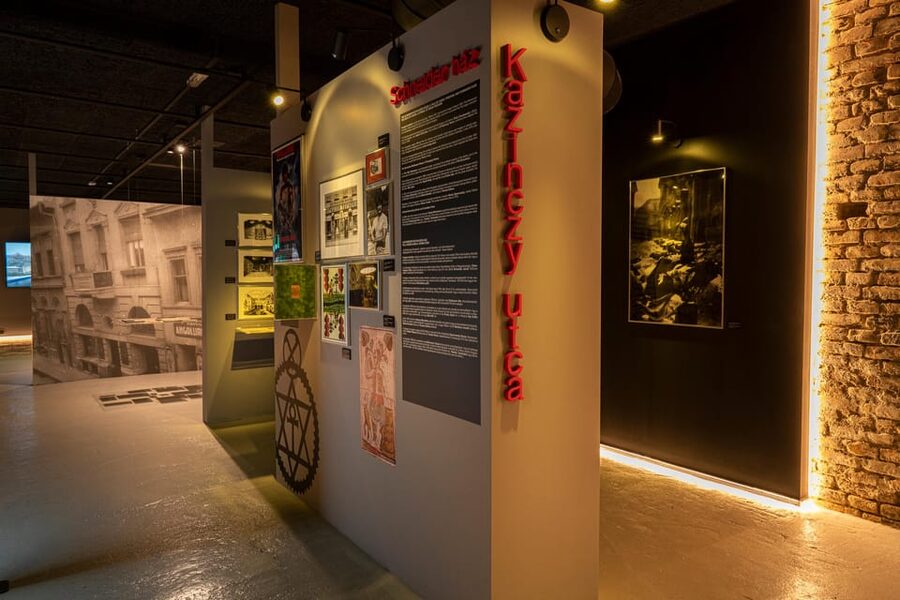
Give yourself at least the stated 30 minutes, then leave room for extra time if you want to hear the audio chapters and stop at the bar. The location makes it easy to combine with other District 7 plans, but the exact amount of time you spend depends on how carefully you read and listen.
Start at the Hotel Mika Downtown reception. Have your phone ready, connect to the free Wi-Fi if needed, and take the printed flyer before entering the display area.
Move through the museum at your own speed. Pay attention to the links between the main building and the surrounding properties, since that wider neighborhood story is one of the museum’s best features.
Save the bar or restaurant for the end if you prefer to concentrate. If you enjoy a drink alongside the exhibits, the setting allows for a more social visit. Just remember that the museum’s historical displays remain the main reason to come.
The activity offers free cancellation up to 24 hours in advance, and you can reserve now while paying later. Those terms are useful if your Budapest schedule is still shifting, though they do not change the basic nature of the visit: a short, self-guided stop in a central location.
Should you book the Mika Tivadar Secret Museum?
Book it if you want an inexpensive, unusual look at Kazinczy Street and you enjoy museums that connect buildings with people, entertainment, politics, and everyday life. The strongest reasons to go are the surprising range of stories, the eight-language audio guide, and the chance to pair the visit with a cocktail or meal.
Skip it if you want a large collection, a full live tour, or a major landmark that occupies most of your day. For $5, the risk is low, especially if you are already in District 7, but you should treat it as a compact specialty museum rather than a grand Budapest institution.
My call: book it for a short history break with character. Listen to the audio, take your time with the photographs, and look at Kazinczy Street differently when you step back outside.
FAQ
How long does the Mika Tivadar Secret Museum visit take?
The stated duration is 30 minutes. You may spend longer if you listen to all the audio chapters and take your time with the displays. One visitor reported spending about an hour and staying as long as desired.
How much does entry cost?
Entry costs $5 per person.
Is a museum guide or tour guide included?
No. Staff greet you, provide a printed flyer, and briefly explain what you can discover, but there is no museum guide or tour guide included.
How does the audio guide work?
You use your own charged smartphone to access the audio guide through a QR code. Free Wi-Fi is available, and the audio content is offered in eight languages.
Where do you meet for the experience?
You meet at the Hotel Mika Downtown reception.
Is the museum wheelchair accessible?
The activity is listed as not suitable for wheelchair users.
Just added around Budapest
- Lake Balaton and Herend Guided Tour★ 4.7 · 3 reviews
- Audio visual multi-sensory chefs journey dinner experience★ 5.0 · 3 reviews
- Hollókő Ethnographic Village: Day Tour from Budapest★ 3.7 · 3 reviews
- Tapolca Cave Lake and Tihany/ Balaton private tour from Budapest★ 4.5 · 3 reviews
- Budapest Art Nouveau Walking Tour★ 5.0 · 3 reviews
- SzentEndre-SaintAndrew City Privately Shopping and Picturesque★ 4.5 · 3 reviews
- Budapest Drinks and Piano Show Cruise★ 4.5 · 3 reviews
- Horseshow on the Hungarian Puszta, private tour from Budapest with entry!★ 5.0 · 3 reviews
Museums, compared.
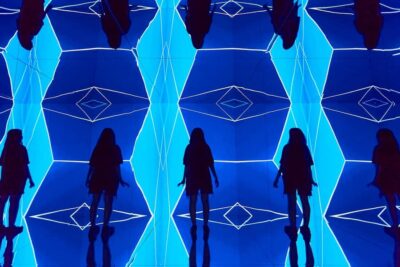
Light Art Museum – Immersive New Media Experience
What we thought →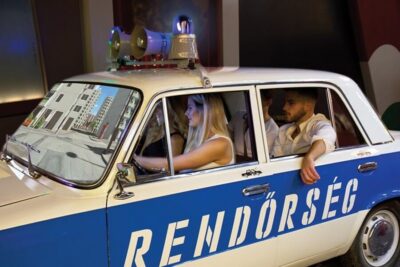


Budapest Card: Free Public Transport, Spa & Museums with Delivery
What we thought →
Budapest Dohany Synagogue & Hungarian Jewish Museum & free extras
What we thought →
Travelling Galaxy Star Wars Interactive Exhibition
What we thought →Browse the lists this tour appears in