
Reviewed · WALKING TOURS
Virtual Reality Walking Tour
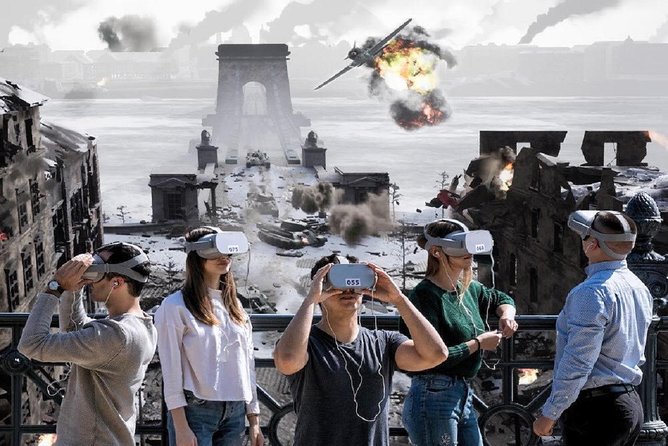
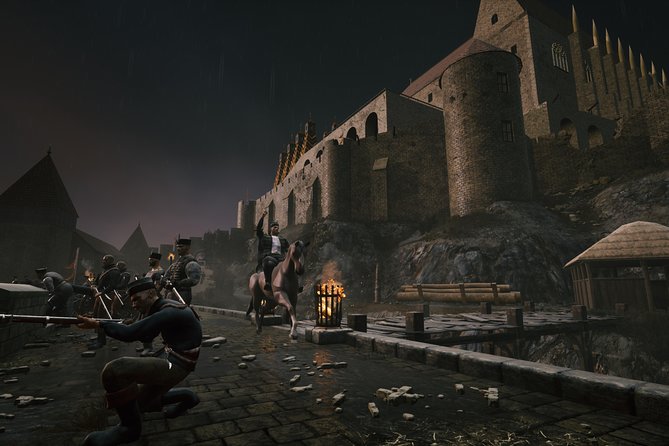
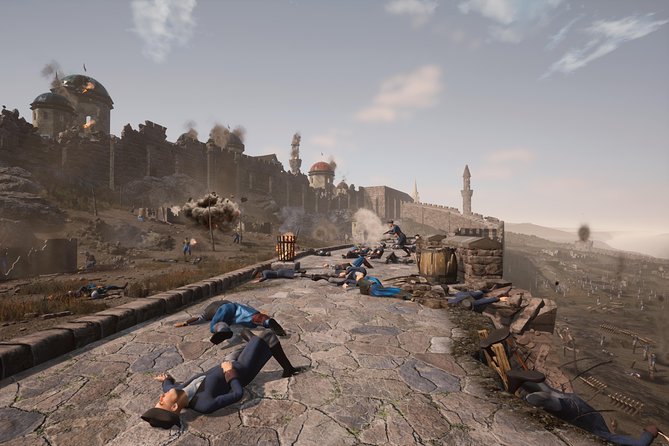
History gets a digital twist. This Buda Castle VR tour combines a real walking visit with 360-degree, 3D scenes that show how important events may have looked in the past. I like the supplied headset, which saves you the trouble of renting equipment, and I like the clear audio commentary that helps explain what you are seeing.
The tour lasts about 75 to 95 minutes, a useful length for fitting into a busy Budapest day. The main caution is that this is not a quiet, traditional castle tour: you need moderate physical fitness, the activity depends on good weather, and VR is not recommended for anyone with epilepsy or for children under 13.
In This Review
- Key points to know before booking
- Why Buda Castle works so well with virtual reality
- Starting at Lánchíd u. 23
- The walking portion and the real setting
- How the 360-degree VR scenes add value
- Audio commentary that keeps the technology grounded
- Helpful staff and a low-stress setup
- How the timing fits into a Budapest itinerary
- Is $48.37 a fair price?
- Who will enjoy this most?
- Practical booking advice and cancellation terms
- Should you book the Buda Castle VR walking tour?
- FAQ
- Where does the virtual reality walking tour start?
- Where does the activity finish?
- How long does the experience last?
- Is the virtual reality headset included?
- What language is the tour offered in?
- Can I cancel for a full refund?
Key points to know before booking
- Buda Castle becomes a VR stage: The tour uses 360-degree and 3D scenes to bring past events into the real setting.
- A headset is supplied: You do not need to rent or carry your own virtual reality equipment.
- Audio keeps the scenes understandable: Commentary explains the visual material instead of leaving you to guess what you are seeing.
- The experience stays compact: Plan on roughly 1 hour 15 minutes to 1 hour 35 minutes from start to finish.
- Small groups help: The maximum group size is 20, so staff can provide help with the equipment.
- Strong overall approval: The experience carries a 4.8 rating from 434 ratings, with 99 percent recommending it.
Why Buda Castle works so well with virtual reality
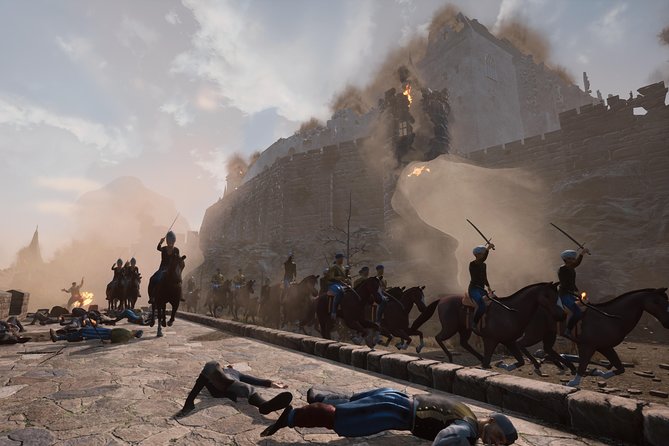
Buda Castle is already one of Budapest’s great sights, but a building alone cannot show every period of its past. Walls, courtyards, and grand views tell part of the story. Virtual reality adds the missing movement by showing historical scenes in a way that can make old events easier to picture.
That is the main reason I find this format appealing. Instead of listening to a long string of dates, you use the headset to see visual reconstructions while the audio explains their place in the story. The result is closer to watching history unfold around you than reading a plaque.
You should keep your expectations in check. This is not a full museum visit, and the supplied details do not promise access to every room or a lengthy architectural study. The focus is a short outdoor walking experience supported by digital scenes. If you want a traditional guide to the castle’s art, interiors, and collections, you will need a separate visit.
For many people, though, the VR element solves a common sightseeing problem. Historical buildings can be impressive but hard to interpret. The scenes give you a visual reference, while the commentary supplies the explanation.
More walking tours:
- Budapest: Buda Castle Walk with Saint Stephen’s Hall
★ 4.5 · 3,012 reviews - Big Bus Budapest Hop-On Hop-Off Bus and Walking Tour
★ 3.5 · 2,206 reviews - Budapest: Buda Castle District Walking Tour
★ 4.6 · 2,108 reviews
Starting at Lánchíd u. 23
The tour begins at Budapest, Lánchíd u. 23, 1013 Hungary, and finishes at the same meeting point. That simple out-and-back arrangement makes planning easier, particularly if you have another activity scheduled afterward.
The location is near public transportation, so you do not need to build your day around a complicated transfer. I would still allow enough time to find the exact meeting point and arrive before the start. A VR activity works best when you are not rushing in, especially since the staff need to provide and explain the headset.
The tour is offered in English. That matters because the audio commentary carries much of the historical explanation. If English is comfortable for you, the format should be straightforward. If you prefer another language, this particular option may not suit you.
The group maximum is 20 people. That is large enough to create some energy, but still limited enough for staff to help with basic equipment questions. Several parts of the experience depend on the headset working comfortably, so a smaller group is a practical advantage.
The walking portion and the real setting
The actual setting matters as much as the technology. You are not simply sitting in a room watching a virtual presentation. The activity takes place at one of Budapest’s best-known historic locations, with the real castle surroundings providing the anchor for the digital scenes.
That combination helps you connect what you see in VR with the place beneath your feet. A visual scene has more meaning when you can look up and recognize the same setting in front of you. It also gives the tour a sense of place that a standard indoor headset presentation cannot match.
The physical demands appear moderate rather than strenuous, but you should be prepared to walk and remain active for the duration. The operator specifically asks for a moderate fitness level. That may be manageable for most people who are comfortable with a short walking activity, but it is not designed as a seated attraction.
Weather also matters. Because this is an outdoor experience, poor conditions can lead to cancellation. If that happens, you are offered another date or a full refund. A dry day will make the castle setting more enjoyable and should help you concentrate on the headset scenes rather than rain, cold, or slippery ground.
How the 360-degree VR scenes add value
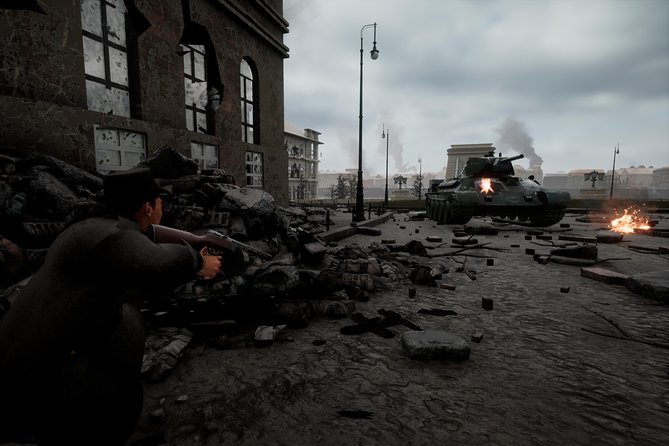
The central feature is the 360-degree, 3D virtual reality presentation. The purpose is not just to provide a flashy gadget. It is meant to help you understand past events by presenting them visually.
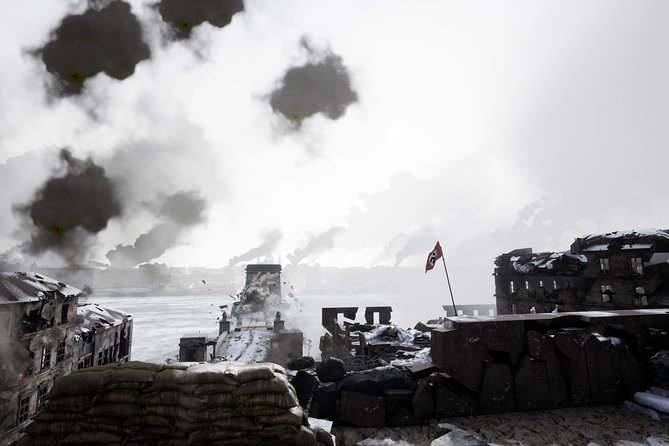
That can be especially useful at a complex site such as Buda Castle. The castle’s story includes major changes over time, and a modern visitor sees only the present-day setting. VR can fill in some of that gap by showing scenes from earlier periods and helping you imagine how the location functioned in the past.
I like that the headset is included. You do not have to spend extra money renting equipment, learn how to bring your own device, or worry about compatibility. The staff supply the headset and help with the process, which keeps the focus on the story.
The visual effect will not appeal to everyone. Some people love the novelty of VR, while others find headsets distracting or prefer to look directly at buildings without digital overlays. If you already know that virtual reality makes you uncomfortable, this may not be the right castle experience for you.
For everyone else, the short length is helpful. You get a clear taste of the technology without committing to a half-day program. The activity is long enough to develop a historical story, but short enough to leave room for dinner, another sight, or a walk through the rest of Buda.
A completely different kind of day out around Budapest:
- Budapest: City Highlights Cruise with Welcome Drink
★ 4.6 · 35,610 reviews - Budapest: Unlimited Prosecco, Beer and Aperol Spritz Cruise
★ 4.8 · 25,310 reviews - Budapest: Széchenyi Spa Day Ticket with Optional Upgrades
★ 4.3 · 23,911 reviews - Budapest: Nighttime or Daytime Sightseeing Cruise
★ 4.2 · 21,062 reviews
Audio commentary that keeps the technology grounded

VR scenes can become confusing without context. The audio commentary is important because it explains what is happening and connects the images to the castle’s past.
The strongest feedback about the experience focuses on this pairing of narration and visuals. The commentary is described as informative and captivating, and the scenes are praised for making events easier to understand. That suggests the tour works best when you pay attention to both elements rather than treating the headset as a stand-alone attraction.
The narration also helps with timing. You are not expected to know when to look, what a scene represents, or how it relates to the building. The audio guides you through the presentation and gives the visual material a clear purpose.
The tour is in English, so you should be comfortable following spoken English for most of the 75 to 95 minutes. Because no written transcript or alternate language is specified, this is an important point to consider before paying.
Helpful staff and a low-stress setup
Equipment can make or break a VR activity. A headset that fits poorly, confusing instructions, or a rushed setup can turn an interesting idea into a chore.
Here, staff assistance is one of the better features. The experience includes help with each step, and the staff are described as pleasant, friendly, and easy to connect with. That is useful if you have never used a virtual reality headset before or need a little extra help getting comfortable.
Do not expect a private guide for your own group. The maximum is 20 people, and the experience is offered as a shared activity. Still, a group of that size leaves room for basic questions and practical support.
The guide also appears to play a key role in explaining what is happening during the scenes. That human explanation keeps the program from feeling like a technology demonstration with a castle attached. It gives the activity a personal touch without making it a long lecture.
How the timing fits into a Budapest itinerary
At about 1 hour 15 minutes to 1 hour 35 minutes, this is an easy activity to place between larger plans. You could use it as a focused introduction to Buda Castle, then continue exploring on your own afterward.
The variable duration is worth noting. The difference between 75 and 95 minutes may reflect group pace, equipment setup, or the amount of help needed. I would avoid scheduling another timed attraction immediately afterward. Give yourself a little breathing room, particularly if you need to cross the river or reach another district.
The tour begins and ends at the same point, which reduces the risk of being left on the opposite side of your planned route. Since the meeting point is near public transportation, it should be possible to continue your day without arranging a separate pickup.
Because the program requires good weather, keep your plans flexible. The provider offers another date or a full refund if conditions force a cancellation. That is fair protection, but it still means you should have a backup plan for an outdoor Budapest day.
Is $48.37 a fair price?
At $48.37 per person, this is not the cheapest way to spend an hour in Budapest. You can walk around many historic areas at no cost, and standard sightseeing options may cost less. The price needs to be judged by what you value.
You are paying for a supplied VR headset, guided historical interpretation, staff assistance, and a structured visit at Buda Castle. The experience also offers something a normal walk cannot: visual scenes designed to show the past in the place where it happened.
I see the price as reasonable for people who specifically want an interactive history program. It is less compelling if you only want castle views or a simple orientation walk. In that case, you may feel that the digital element adds expense without adding enough substance.
The high 4.8 rating from 434 ratings and the 99 percent recommendation suggest that the format works well for its intended audience. That does not make it right for everyone, but it is a strong sign that the combination of narration, staff help, and VR scenes is doing its job.
Who will enjoy this most?
I would recommend this experience to adults, teenagers 13 and older, families with older children, and anyone who learns better through pictures than through a standard lecture. It is also a good pick if you want a short, unusual activity that gives Buda Castle a historical frame.
It suits first-time Budapest visitors who want help understanding a major sight. The audio and visual material can give you a clearer starting point before you explore more of the castle area on your own.
History fans may enjoy the approach, though anyone seeking detailed academic coverage should treat this as an introduction rather than a complete study. The program aims to make events understandable and visually memorable, not to replace a museum or specialist tour.
I would not choose it for children under 13, since the activity is specifically not recommended for them. I would also avoid it if you have epilepsy, because the operator does not recommend VR for people with that condition.
Practical booking advice and cancellation terms
Confirmation arrives when you book, which gives you a clear record of the meeting details. The experience is often reserved about 14 days ahead, so I would not leave it until the final day if the timing matters to your schedule.
You can cancel for a full refund up to 24 hours before the start time. Changes or cancellations inside that 24-hour window are not accepted for a refund. The cut-off uses Budapest local time, so check the time carefully if you are booking from another country.
The minimum group requirement is another reason to keep your email confirmation handy. If the operator cancels because too few people have booked, you receive the choice of another date or experience, or a full refund.
Should you book the Buda Castle VR walking tour?
Book it if you want Buda Castle explained through action, sound, and 3D images rather than through a standard walking talk. The supplied headset, helpful staff, clear audio, and compact schedule make it a practical choice for a first visit to Budapest.
Skip it if you dislike headsets, need a nonwalking activity, want a detailed tour of castle interiors, or prefer to explore entirely on your own. Also check the age, epilepsy, fitness, and weather requirements before paying.
For the right person, $48.37 buys more than a view. It gives you a short, guided way to picture the castle’s past while standing in its real setting. That is a fair trade for visitors who want history to feel less distant and a little more immediate.
FAQ
Where does the virtual reality walking tour start?
It starts at Budapest, Lánchíd u. 23, 1013 Hungary.
Where does the activity finish?
The tour ends back at the meeting point.
How long does the experience last?
The estimated duration is about 1 hour 15 minutes to 1 hour 35 minutes.
Is the virtual reality headset included?
Yes. A virtual reality headset is provided, so you do not need to rent equipment separately.
What language is the tour offered in?
The experience is offered in English, including its audio commentary.
Can I cancel for a full refund?
Yes. You can cancel at least 24 hours before the start time for a full refund. Cancellations or changes made less than 24 hours before the start time are not refunded or accepted.
Just added around Budapest
- Lake Balaton and Herend Guided Tour★ 4.7 · 3 reviews
- Audio visual multi-sensory chefs journey dinner experience★ 5.0 · 3 reviews
- Hollókő Ethnographic Village: Day Tour from Budapest★ 3.7 · 3 reviews
- Tapolca Cave Lake and Tihany/ Balaton private tour from Budapest★ 4.5 · 3 reviews
- Budapest Art Nouveau Walking Tour★ 5.0 · 3 reviews
- SzentEndre-SaintAndrew City Privately Shopping and Picturesque★ 4.5 · 3 reviews
- Horseshow on the Hungarian Puszta, private tour from Budapest with entry!★ 5.0 · 3 reviews
- Hungary today: a no-taboo conversation★ 5.0 · 3 reviews
Walking Tours, compared.

Big Bus Budapest Hop-On Hop-Off Bus and Walking Tour
What we thought →
Budapest City Landmarks Walking Tour in 2 Hours
What we thought →
3-Hour Orientation Walking Tour of Buda and Pest
What we thought →
Budapest Historical Sightseeing – Free Walking Tour
What we thought →
Budapest All in One Small Group Walking Tour with Strudel Stop
What we thought →Browse the lists this tour appears in