
Reviewed · CAKE & COFFEE HOUSE TOURS
Stretched Strudel Making Class with 2 Different Fillings
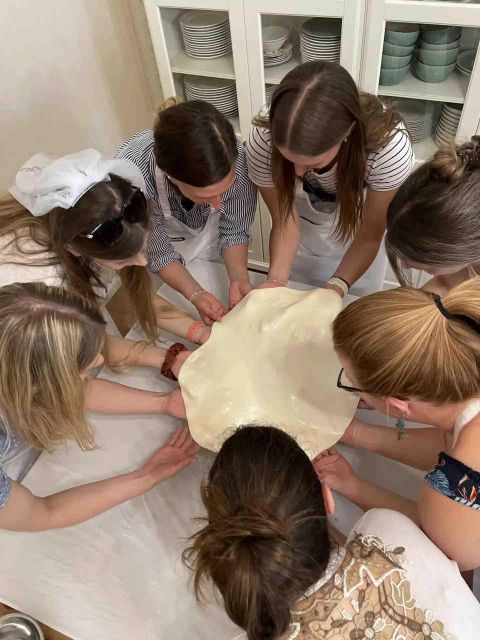
Stretch pastry thinner than paper. This hands-on Budapest cooking class takes you into a private apartment kitchen, where Chef Marti teaches the family method behind Hungarian stretched strudel. I like the small group size, limited to 10, and the chance to make two strudels from start to finish. I also like that the class includes Hungarian snacks, drinks, and recipes to take home. The main consideration is the price: at $90 per person, it costs more than simply ordering strudel at a café, though the personal instruction and meal help explain the difference.
The 2.5-hour session is a good fit if you want food with a story attached. You will hear about Habsburg-era pastry, Turkish influence on Hungarian cooking, countryside wedding customs, and everyday food traditions while working with your hands. The only practical catch is that you must reach Király u. 77 yourself, since hotel pickup and drop-off are not included.
In This Review
- Key points about this Budapest strudel class
- Why stretched strudel is worth learning
- Arriving at the central Budapest apartment
- Hearing the story behind Hungarian strudel
- Stretching the dough with Chef Marti
- Choosing two fillings from sweet and savory options
- Waiting for the oven with Hungarian snacks
- Eating the strudels you made
- What the $90 price includes
- Who will enjoy this class most
- Booking advice and practical details
- Should you book the Budapest strudel class?
- FAQ
- How long does the strudel-making class last?
- Where does the experience begin?
- Does the activity include hotel pickup and drop-off?
- How many people can join the class?
- Is the class taught in English?
- What drinks are included?
- Can children participate?
Key points about this Budapest strudel class
- Stretch the dough by hand: You learn the delicate technique that gives this pastry its name and texture.
- Make two different strudels: Fillings can include apple, sour cherry with cottage cheese, poppy seed with pumpkin, cabbage, or sweet cottage cheese cream.
- Learn a family recipe: Chef Marti shares the method she learned from her mother, along with recipes for making the pastries at home.
- Taste more than dessert: Hungarian snacks, 2 deciliters of Hungarian wine, soft drinks, mineral water, and coffee are included.
- Small-group instruction: With no more than 10 people and English instruction, you have a better chance to ask questions and get help with the dough.
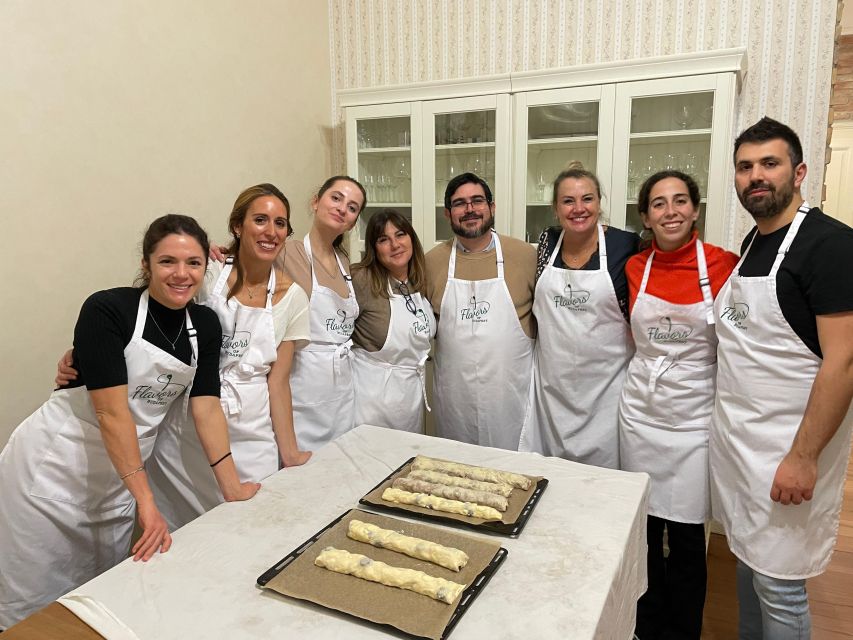
- Eat what you bake: The class ends around the table with your freshly baked strudels and the rest of the group.
Why stretched strudel is worth learning
Many people know strudel as a pastry filled with apples and cinnamon. Hungarian stretched strudel offers a broader picture. The pastry can be sweet or savory, and the filling choices tell you something about local cooking: poppy seeds, cabbage, cottage cheese, sour cherries, pumpkin, and other straightforward ingredients all have a place.
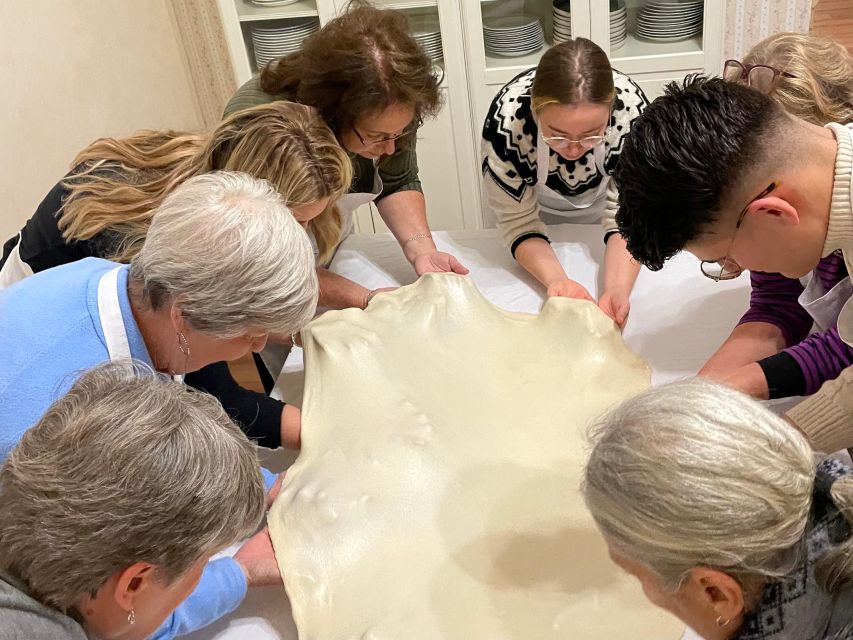
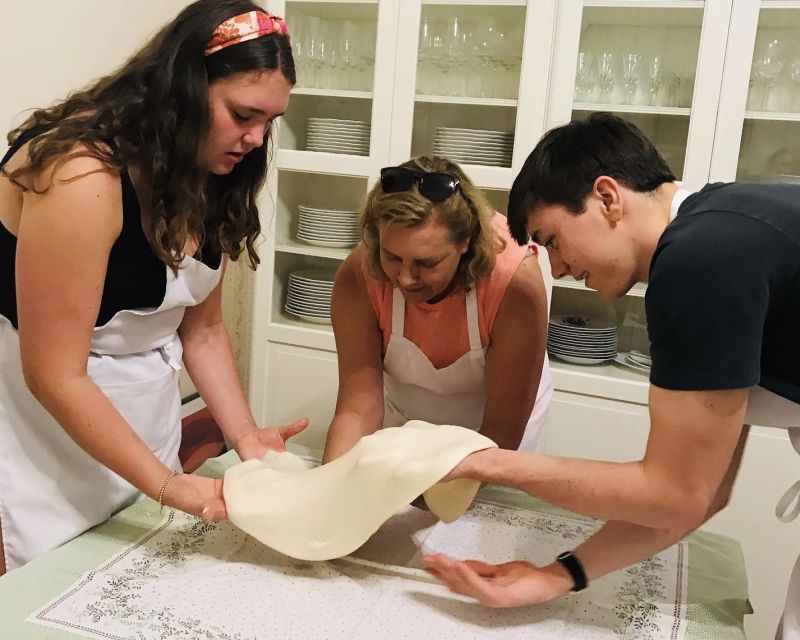
The key skill is the dough. Instead of relying on thick sheets of ready-made pastry, you work with an elastic dough and stretch it by hand until it becomes extremely thin. That process is the heart of the class. It can look intimidating at first, but the point of having a chef beside you is to show you how to handle it without tearing it.
I like this kind of cooking lesson because the result is not only a plate of food. You leave with a technique you can repeat. The included family recipes give you a useful record of the proportions and fillings, so the class continues after your Budapest visit.
The pastry also carries a bit of Central European history. You learn how strudel became part of the Habsburg Empire’s food culture and how Turkish influence helped shape its presence in Hungary. That context makes the dish feel less like a generic dessert and more like a food that crossed borders and settled into local kitchens.
More cake and coffee house stops:
- Budapest All in One Small Group Walking Tour with Strudel Stop
★ 5.0 · 1,277 reviews - Budapest: Hungarian Chimney Cake Workshop in the City Center
★ 4.8 · 885 reviews - Chimney Cake Workshop Budapest Downtown – Kürtőskalács Class
★ 5.0 · 220 reviews
Arriving at the central Budapest apartment
You meet at the local partner’s private apartment at Király u. 77, 1077 Budapest. There is no hotel transfer, so plan your route before the class and allow enough time to arrive without rushing.
The apartment setting gives the experience a home-cooking feel rather than the atmosphere of a formal culinary school. That matters here. You are learning a family recipe, hearing about customs from the countryside, and eating the finished pastries together. A private home is a natural setting for that kind of lesson.
The activity ends at the same meeting point. Starting times vary, so you need to check availability when choosing your booking. The total class length is 2.5 hours, long enough for instruction, preparation, baking, conversation, and eating without taking up your entire day.
The class is offered in English. Group size is limited to 10 people, which should make it easier to follow the pastry demonstration and receive help when your dough needs attention. If you prefer a quiet one-on-one lesson, this is not that. It is a shared cooking experience, but the cap keeps it from becoming a large demonstration where you only watch.
Hearing the story behind Hungarian strudel

The class begins with the background of strudel and its place in Hungarian food culture. You learn about the pastry’s Habsburg connections and the Turkish influence tied to its origins in Hungary.
This history is brief but useful because it explains why the dish belongs to a wider Central European food tradition. Strudel is not presented as an isolated Hungarian invention with a single fixed formula. Instead, you see how a pastry can travel, adapt, and become part of family life.
The lesson also covers countryside wedding dinners. That detail gives the pastry a more important role than a simple afternoon sweet. Food served at weddings often reflects local customs, household skill, and the desire to feed a crowd with familiar ingredients. Hearing about that use helps you understand why a recipe passed from mother to daughter remains worth teaching.
Chef Marti also talks about Hungarian dishes, ingredients, customs, and daily life. One especially praised part of her teaching is the personal detail. She explains the small tricks she learned while making strudel with her mother, then shows you how those tricks affect the dough and filling.
I would pay close attention during this opening section. The recipes are useful, but the informal advice may be what helps you reproduce the pastry successfully at home. A written recipe tells you what to add. A family method can also tell you what the dough should feel like and how to avoid overworking it.
Stretching the dough with Chef Marti
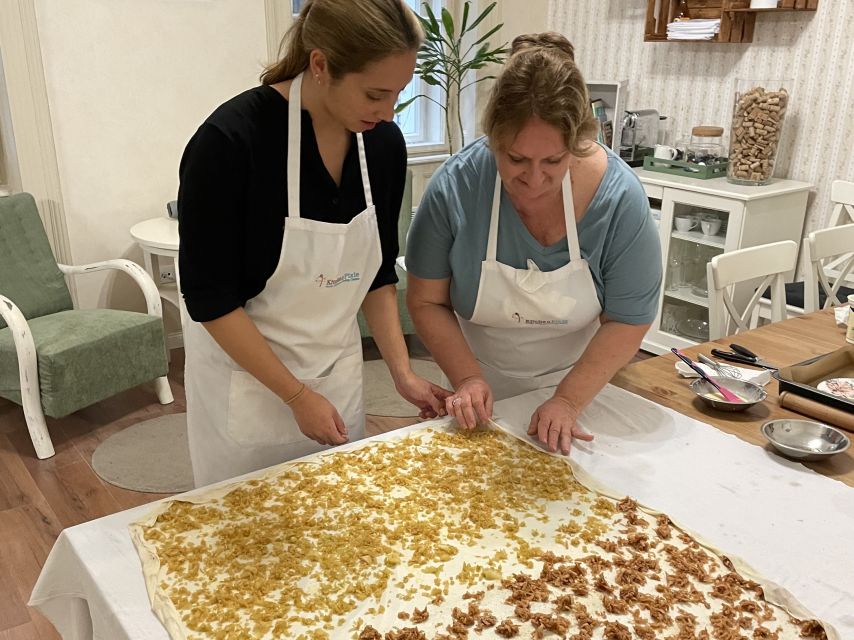
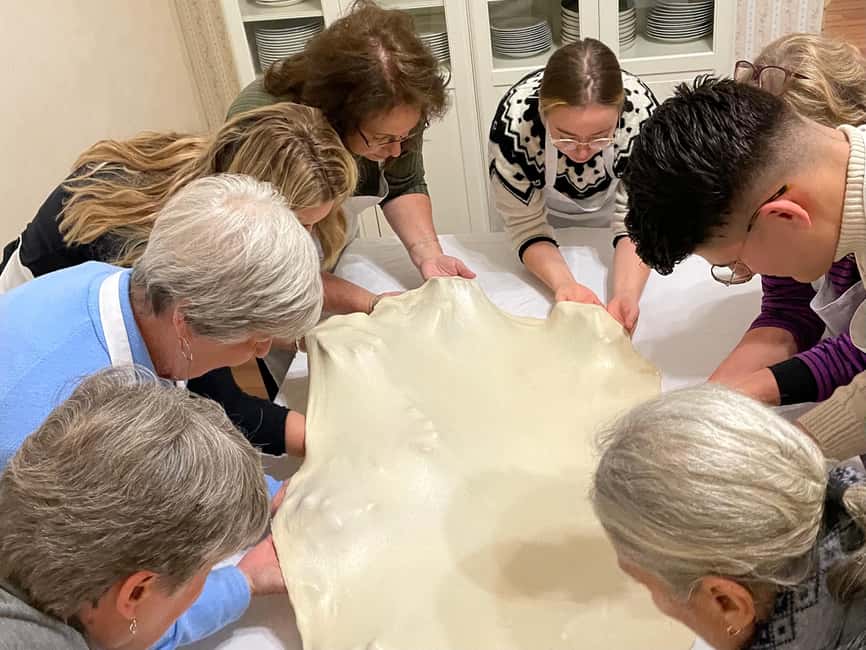
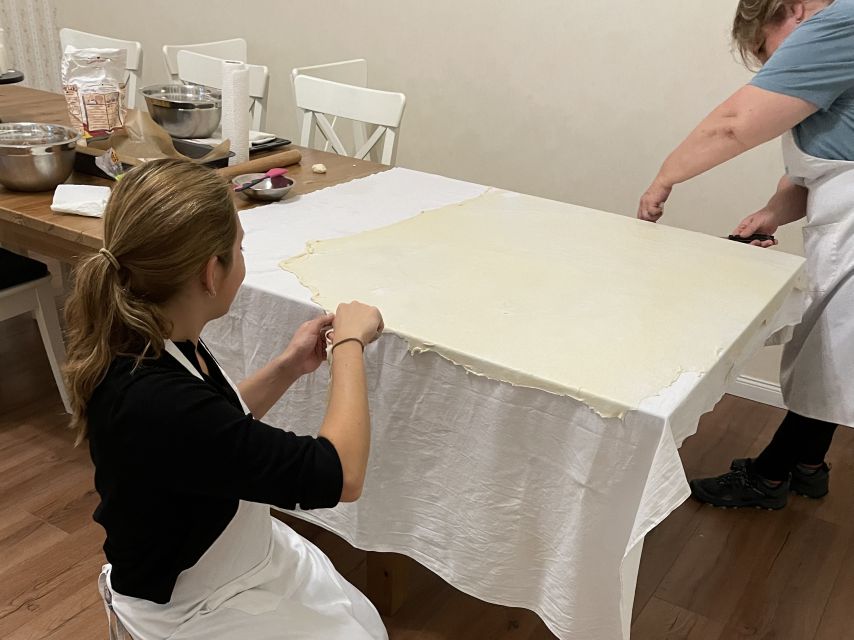
The central task is making the pastry from the beginning. You work with the dough, follow the chef’s instructions, and stretch it by hand until it is very thin.
This is the part that separates the class from a standard food tasting. You are not simply watching a demonstration and receiving a sample. You are handling the dough, making decisions, and learning through the process. Chef Marti’s patient teaching style is especially useful for first-time bakers, since stretched pastry can seem fragile.
The goal is not perfect pastry-shop presentation. The goal is to understand the technique well enough to repeat it. If your dough does not look exactly like the chef’s, that is part of the lesson. You get a feel for how far it can stretch and how carefully it must be treated.
The hands-on format also makes this a good choice for couples, families with older children, or friends who enjoy doing something together. Children under 10 are not permitted, so this is better suited to older children and adults who can follow the instructions and take part in the preparation.
You should expect flour, dough, filling, and a shared kitchen atmosphere. Anyone looking for a polished restaurant meal with no work involved should choose a different activity. Here, the work is the point, and eating the results is the reward.
A few more trips worth weighing up before you book
- Budapest Cooking Class & Market Tour with Local Guide & Wines
★ 5.0 · 553 reviews - Budapest: Essentials of Hungarian Wine Tasting Class
★ 4.9 · 174 reviews - Budapest: Hungarian Cooking Class and Market Walk
★ 5.0 · 91 reviews - Hungarian Strudel Making Class: Stretch & Fill Two Ways
★ 5.0 · 76 reviews
Choosing two fillings from sweet and savory options
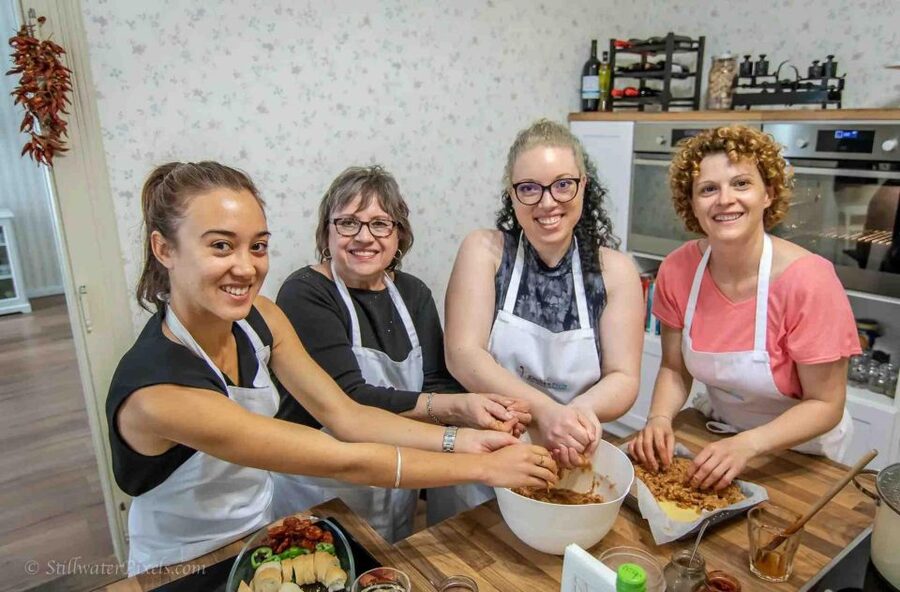
You make two strudels with different fillings. The available choices can include poppy seed with pumpkin, sweet or salty cabbage, and sweet cottage cheese cream. The examples also include apple and sour cherry with cottage cheese.
That range is important. It lets you compare more than two versions of the same sweet pastry. A fruit filling brings brightness, while cottage cheese adds a creamy, mild element. Poppy seed and pumpkin offer a more distinctive combination, and cabbage shows how strudel can move into savory territory.
The exact filling selection may depend on the class arrangement, so it is wise to confirm available choices when booking if you have a strong preference. The information provided lists several typical fillings, but it does not promise every option at every session.
I like the chance to make two versions because it gives the class a built-in comparison. You can see how different fillings affect rolling, baking, texture, and flavor. You also leave with ideas for adapting the recipe to your own kitchen.
One especially appealing combination is sour cherry with cottage cheese. It shows how Hungarian dessert flavors can balance fruit with a soft dairy filling instead of relying only on sugar. Apple is the familiar choice, but the less expected fillings may be the reason to take the class rather than simply buy a slice in town.
Waiting for the oven with Hungarian snacks
Once the strudels are prepared, they go into the oven. This waiting period is used for tasting other Hungarian bites and sharing drinks.
Included beverages are 2 deciliters of Hungarian wine, soft drinks, mineral water, and coffee. The menu also includes typical Hungarian snacks. This makes the class feel like a small meal rather than a narrow pastry lesson, particularly if you arrive hungry.
The homemade drinks add a personal touch. One account of the experience describes a soda made with syrup from family-grown elderberries and raspberries. That detail is not a standard soft drink poured from a bottle. It gives you another taste of the host’s family food traditions and makes the waiting time part of the experience.
The wine portion is modest, just 2 deciliters, so you should not think of this as a wine tasting. It is a drink served alongside the food and conversation. Coffee, water, and soft drinks make the class workable for people who do not drink alcohol.
This pause also gives the group time to talk. Chef Marti’s role is not limited to measuring ingredients. She explains Hungarian dishes and customs, answers questions, and keeps the mood relaxed. The result is a class that combines cooking, conversation, and eating without packing the schedule too tightly.
Eating the strudels you made
When the pastries are ready, you sit down with the group and eat them together. This final step is simple but important. You get to taste the effect of your work while the pastry is fresh from the oven.
The meal also gives you a chance to compare the two fillings. You can think about which version you would make at home, which one might suit breakfast or dessert, and whether a savory cabbage filling would work as part of a larger meal.
I appreciate that the experience does not stop at the cooking stage. Some classes teach you a recipe and then send you away before you can see the finished result. Here, you bake the strudels and eat them in the same setting.
The atmosphere is intended to be small and family-like. That does not mean the class is private unless your booking arrangement says so, but the group limit of 10 keeps the shared meal manageable. You can expect to eat with other participants and take part in the social side of the experience.
What the $90 price includes
At $90 per person, this is a premium food activity rather than a cheap snack stop. The value comes from several parts being combined into one 2.5-hour session:
- Instruction from a professional chef
- All ingredients, equipment, and kitchen tools
- Two strudels with different fillings
- Hungarian snacks
- Wine, soft drinks, mineral water, and coffee
- Family recipes to take home
- A small-group setting with no more than 10 participants
If you only want to taste strudel, the price is hard to justify. Budapest offers simpler ways to buy a pastry. If you want to learn the stretched-dough method, hear family stories, eat a full selection of local bites, and take home a recipe, the calculation changes.
I would compare it with the cost of a cooking class rather than with the price of dessert. You are paying for the chef’s time, the supplies, the kitchen use, and the personal instruction. The included drinks and snacks add to the value, but the real benefit is the technique.
The family recipe also matters. A recipe that you can use at home gives the class a life beyond your holiday. If you bake with friends or family, the experience may pay off again when you recreate the strudels and tell the story of learning them in Budapest.
Who will enjoy this class most
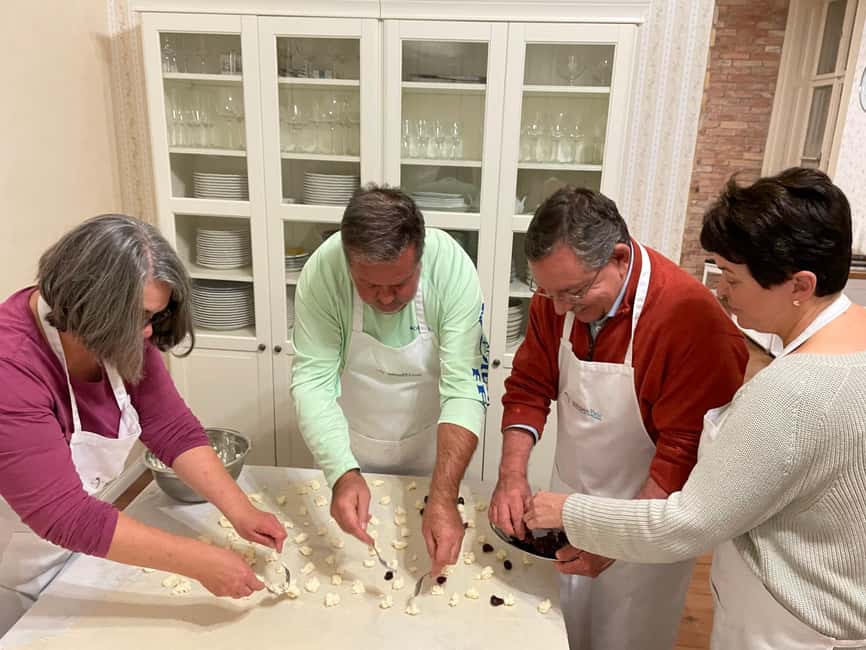
This class suits you if you enjoy food, local customs, and practical activities. It is especially appealing for:
- Couples who want a shared Budapest activity
- Families with children aged 10 or older
- Home cooks curious about traditional pastry
- People who prefer meeting a local chef to touring a formal attraction
- Anyone interested in Hungarian food beyond goulash and paprika
- Visitors looking for an indoor activity lasting half a day
It may not suit you if you dislike group activities, have little interest in cooking, or want a completely passive experience. The dough must be stretched by hand, fillings must be prepared, and you take part throughout.
It is also not the best choice for a rushed schedule. Two and a half hours is a meaningful block of time, and the class has several stages. You need to travel to the apartment, cook, wait for the pastry to bake, and eat the finished results.
The English instruction is helpful for international visitors, but you should still expect cooking terms and hands-on demonstrations to carry much of the lesson. Watching the chef’s technique closely will be just as important as listening.
Booking advice and practical details
The class costs $90 per person and lasts 2.5 hours. Starting times are not fixed in the information provided, so check the available sessions before planning the rest of your day.
You can cancel up to 24 hours before the activity for a full refund. A reserve-now, pay-later option is also available, which helps if your Budapest plans are still changing.
The meeting point is Király u. 77, 1077 Hungary, and the activity finishes there. Since pickup and drop-off are not included, you are responsible for reaching the apartment and continuing on from the same location afterward.
The class has a 5 out of 5 rating from 21 ratings, and the praise centers on the teaching, the relaxed atmosphere, the food, and Chef Marti’s patience. Specific highlights include her clear process, personal family details, and the ability to recreate the strudel later with the recipe provided.
Should you book the Budapest strudel class?
Book it if you want to do more than sample Hungarian food. The strongest reason to choose this experience is the combination of family cooking tradition and real hands-on work. You stretch the dough, choose fillings, bake two pastries, taste local snacks, and leave with recipes.
I would especially recommend it for food-focused couples, older children, and home cooks who enjoy learning techniques. The class also works well on a rainy Budapest day, since the activity takes place indoors and fills a useful half-day slot.
Skip it if you only want a quick dessert, need hotel transportation, or dislike cooking in a shared group. At $90, it needs to be an active experience to feel worthwhile, and it is. For the right person, the best souvenir is not a trinket but the ability to make Hungarian stretched strudel at home.
FAQ
How long does the strudel-making class last?
The class lasts 2.5 hours, including the cooking lesson, baking time, tasting, and meal with the group.
Where does the experience begin?
It begins at the local partner’s private apartment at Király u. 77, 1077 Budapest, Hungary.
Does the activity include hotel pickup and drop-off?
No. You must make your own way to the apartment, and the activity ends back at the meeting point.
How many people can join the class?
The class is limited to 10 participants, making it a small-group experience.
Is the class taught in English?
Yes. The instructor language is English.
What drinks are included?
The class includes 2 deciliters of Hungarian wine, soft drinks, mineral water, and coffee.
Can children participate?
Children under 10 years old cannot participate in this activity.
Just added around Budapest
- Lake Balaton and Herend Guided Tour★ 4.7 · 3 reviews
- Audio visual multi-sensory chefs journey dinner experience★ 5.0 · 3 reviews
- Tapolca Cave Lake and Tihany/ Balaton private tour from Budapest★ 4.5 · 3 reviews
- Hollókő Ethnographic Village: Day Tour from Budapest★ 3.7 · 3 reviews
- Budapest Art Nouveau Walking Tour★ 5.0 · 3 reviews
- SzentEndre-SaintAndrew City Privately Shopping and Picturesque★ 4.5 · 3 reviews
- Budapest Drinks and Piano Show Cruise★ 4.5 · 3 reviews
- Horseshow on the Hungarian Puszta, private tour from Budapest with entry!★ 5.0 · 3 reviews
Cake & Coffee House Tours, compared.

Budapest All in One Small Group Walking Tour with Strudel Stop
What we thought →
Hungarian Chimney Cake Workshop in the City Center
What we thought →
Chimney Cake Workshop Budapest Downtown – Kürtőskalács Class
What we thought →
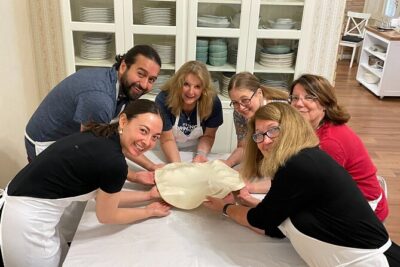
Hungarian Strudel Making Class: Stretch & Fill Two Ways
What we thought →
Private Budapest All In One Walking Tour with Strudel Stop
What we thought →
Private Buda Castle Walking Tour with Cake and Matthias Church
What we thought →Browse the lists this tour appears in