
Reviewed · WINE TOURS
Budapest: Essentials of Hungarian Wine Tasting Class
Hungary pours a good surprise. This two-hour tasting turns an unfamiliar wine country into a clear, enjoyable story, with eight Hungarian wines, local food, and a sommelier to explain what is in your glass. I especially like the focus on small producers and the old cellar setting at The Tasting Table Budapest.
The food pairings make the evening feel more generous than a string of tiny samples, while the regional map and tasting sheets help you keep track of new grapes and places. The main consideration is the amount of wine: pours can be quite generous, and one evening may leave you more tipsy than expected.
In This Review
- Key points to know before you go
- Why Hungarian wine deserves two hours of your time
- Arriving at The Tasting Table Budapest
- The first glass sets the tone
- Moving through Hungary by the glass
- The food pairings are more than decoration
- Ending with Tokaj aszú
- How much value do you get for $65?
- Timing, group atmosphere, and the practical details
- Who will enjoy this tasting most?
- My booking advice
- FAQ
- Where does the Hungarian wine tasting take place?
- How close is the venue to public transportation?
- How long does the experience last?
- How many wines are included?
- Is food included?
- Is the tasting held in English?
- What is the minimum age to participate?
- Can I cancel the booking?
Key points to know before you go
- Eight wines tell a broad Hungarian story: Expect an aperitif, whites, reds, and usually a sweet Tokaj aszú finale.
- Small producers get the spotlight: The wines are bought directly from winemakers the team has come to know over time.
- The setting is easy to reach: The Tasting Table is at Bródy Sándor utca 9, only 150 meters from the National Museum.
- Food is part of the lesson: Hungarian cheeses, meats, bread, and other local flavors help show how the wines work at the table.
- The teaching style is relaxed: Hosts such as Carlos, Tomas, John, Christian, Sebastian, and others have been praised for warmth, humor, and strong knowledge of Hungary’s wine regions.
- Plan your evening around it: Sessions usually run from 6:00 PM to 8:00 PM, making this a useful after-sightseeing activity.
Why Hungarian wine deserves two hours of your time
Many visitors arrive in Budapest knowing Tokaj and little else. That is understandable. Hungarian wine is less familiar internationally than French, Italian, or Spanish wine, yet the country has a long winemaking tradition and a wide range of local grapes, climates, soils, and styles.
This class gives you a working introduction without asking you to memorize a wine textbook. You hear about the major regions, important varietals, changing wine styles, and the effect of soil and climate. The point is not to make you an expert by dessert. It is to give you enough background to recognize what you like and choose more Hungarian wine during the rest of your trip.
I like that the evening is built around actual bottles rather than a long lecture. Each wine has a reason for being there. Together, the eight selections show how different Hungarian wines can be, from crisp whites to structured reds and the famous sweet wines of Tokaj.
The class is also useful because the wines come mostly from smaller producers. That gives you a closer look at what Hungarian winemakers are doing now, rather than only sampling famous labels that are easy to find abroad.
More wine tastings:
- Countryside Half-day Gastro-Wine Tour from Budapest Meal & pickup
★ 5.0 · 1,450 reviews - Budapest Centre Food Tour with 10+ Tastings, Wine & Street Food
★ 5.0 · 810 reviews - Budapest: Wine, Cheese, and Charcuterie Tasting
★ 4.9 · 647 reviews
Arriving at The Tasting Table Budapest
The meeting point is The Tasting Table Budapest at Bródy Sándor utca 9 in District VIII. It is about 150 meters from the National Museum, so it is easy to combine with a visit to the museum or an evening walk through the surrounding streets.
You can reach it in about five minutes from Astoria on metro line M2 or from Kálvin tér on metro line M3. Trams 47 and 49 also stop at those two transport points. This matters because you do not need a taxi or a complicated journey to reach an evening activity.
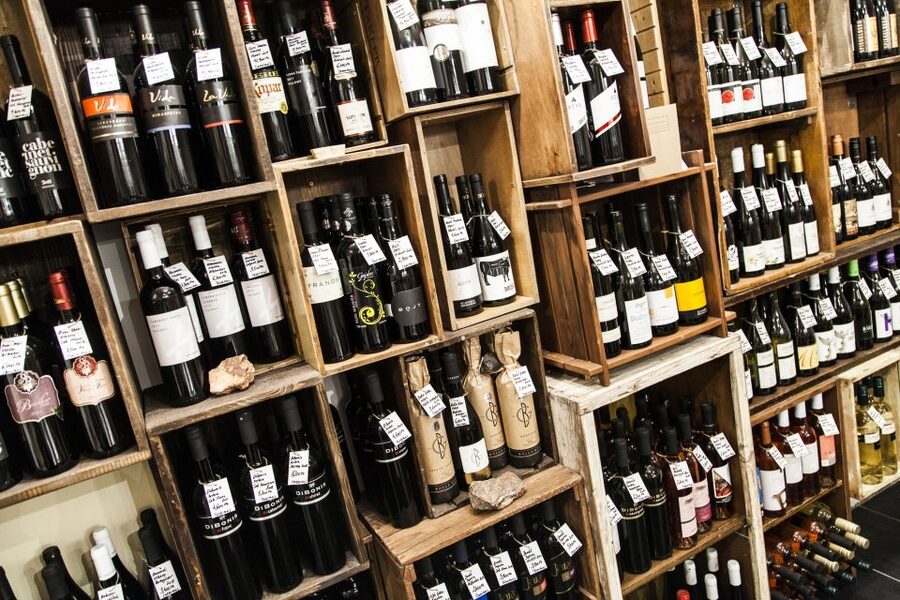
The shop and tasting room have an atmospheric cellar feel. One description of the room highlights brick arches, which fits the traditional mood without suggesting that this is a formal or stiff wine school. The room is attractive, comfortable, and photogenic, but the real purpose is conversation and tasting.
Arrive with enough time to find the address and settle in. The tasting is held in English, and confirmation is supplied when you book.
The first glass sets the tone
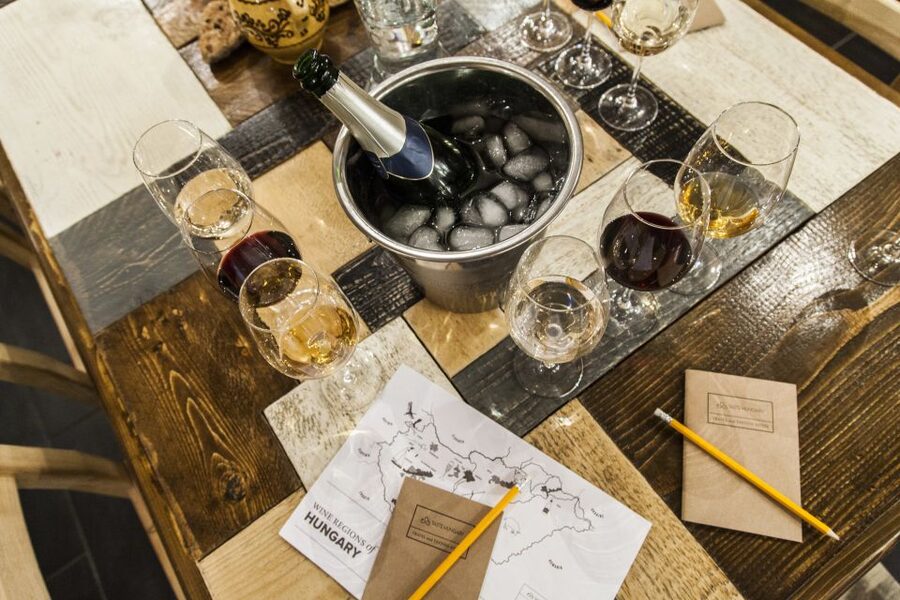
The tasting begins with an aperitif, often a sparkling wine. This is a smart way to start. It gives everyone a simple first glass while the sommelier introduces the plan for the evening and gets the table talking.
You do not need prior wine training. The class is aimed at anyone curious about Hungarian wine, including people who do not usually know their grapes or regions. The hosts have been praised for making the subject approachable, with humor and plain explanations rather than an atmosphere of wine snobbery.
That relaxed approach is one of the strongest parts of the experience. Carlos has been described as an engaging host with a strong grasp of both the country and its wines. Tomas has received praise for explaining how climate and soil affect flavor. John has been singled out for an interesting personal story and an appealing way of talking about Hungarian wine regions.
The individual host changes, so you should not book expecting one particular person. Past sessions have featured Carlos, Tomas, John, Christian, Sebastian, Somali, Sam, and others. The common thread is a friendly, conversational presentation style.
Moving through Hungary by the glass
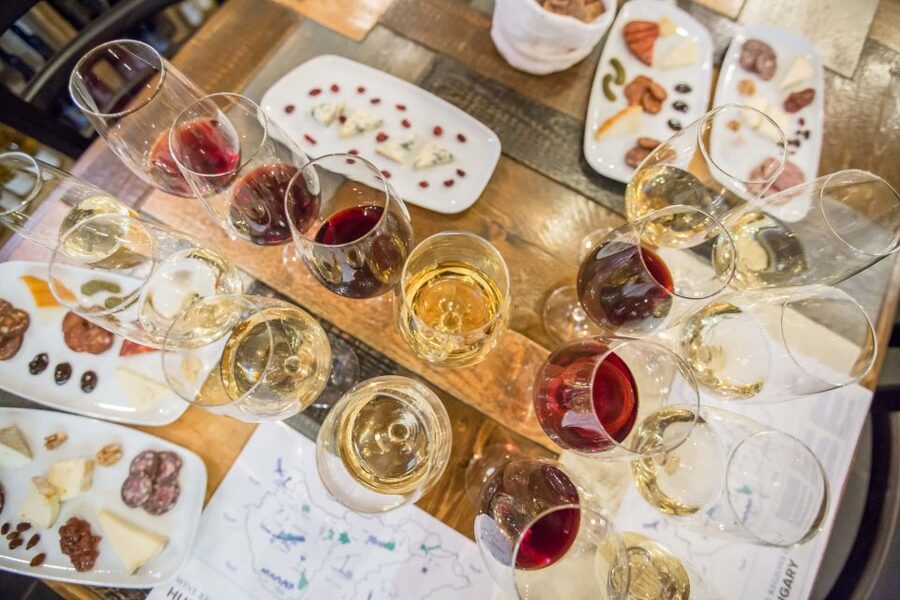
After the aperitif, the tasting usually moves through white wines and then reds, with a rosé possible in the sequence. The exact selection can change, which is a good thing for repeat visitors but means you should not treat the session as a fixed eight-bottle menu.
Older tastings have included one sparkling wine, three whites, three reds, and one sweet dessert wine. That pattern gives you a useful balance, although the current mix may vary. The staff choose wines to show different regions, grapes, and winemaking approaches rather than simply offering eight versions of the same style.
The sommelier explains where each wine comes from and why it matters. You learn the names of the main wine regions, the grapes associated with them, and how local conditions affect the finished wine. This regional approach gives structure to the evening. Instead of asking only if you like a particular bottle, you begin to see how one part of Hungary differs from another.
A good host also leaves space for the table to taste and talk. The best rhythm seems to be a short explanation, a pour, time to compare impressions, and then the next part of the story. One particularly positive account praised the way the team shared facts and then allowed people to drink, chat, and enjoy the wine before continuing.
There is one tradeoff. Some hosts offer a great deal of information, and one session was described as more detailed than the group could reasonably retain. If you enjoy wine science and regional detail, that may be a benefit. If you prefer a light introduction, you may need to let some of the names and technical points pass by.
More food tours:
- Budapest: Unlimited Prosecco, Beer and Aperol Spritz Cruise
★ 4.8 · 25,310 reviews - Budapest: Unlimited Prosecco, Beer & Aperol Spritz Cruise
★ 4.5 · 3,371 reviews - From Budapest: Etyek Wine Tasting Tour with 3-Course Meal
★ 4.8 · 557 reviews - Hungarian Wine Tasting (with Cheese and Charcuterie) in Budapest
★ 5.0 · 531 reviews
The food pairings are more than decoration
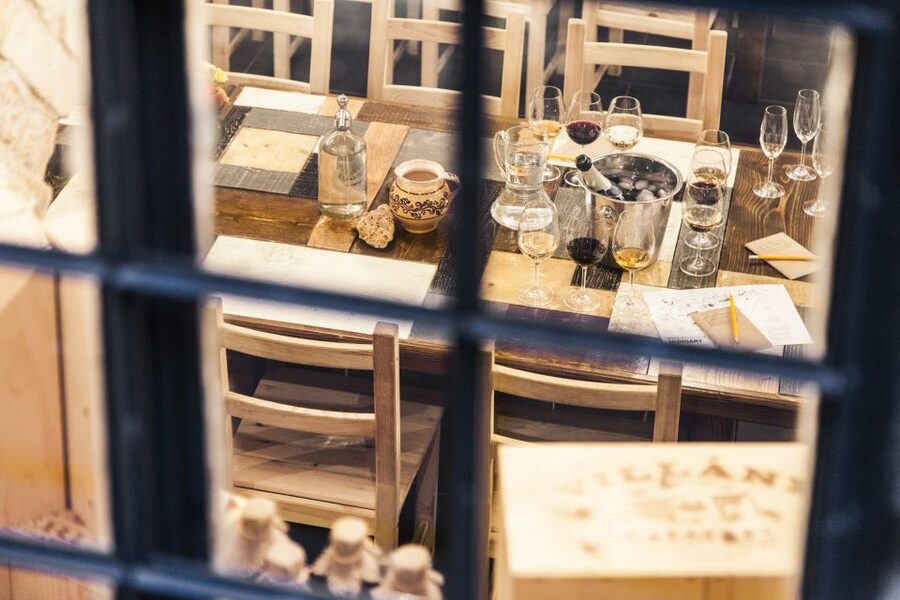
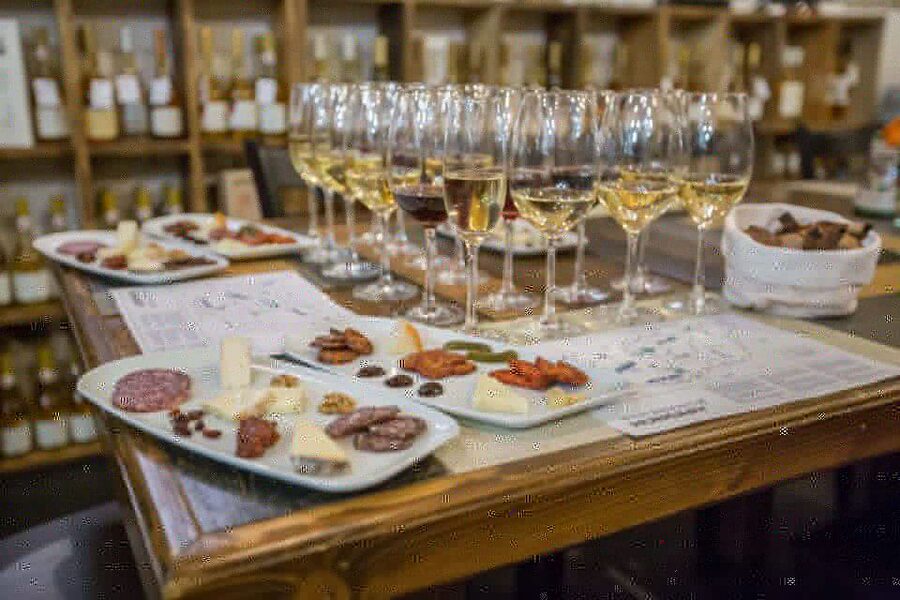
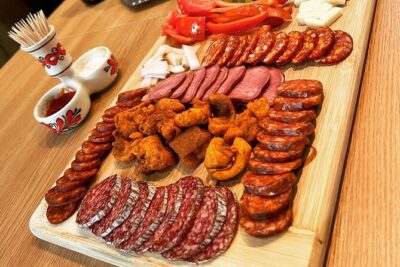
The included food consists of local Hungarian flavors, with cheeses, charcuterie, meats, bread, and other accompaniments appearing in past sessions. The plates have been described as generous, and one person found the food substantial enough to serve as dinner and evening entertainment.
That is important for both enjoyment and comfort. Eight wines over two hours is a serious amount of tasting, especially when the pours are closer to ordinary glasses than tiny professional samples. Food gives you something to eat between wines and shows how Hungarian bottles behave with savory flavors.
Cheese and charcuterie are especially practical pairings because they let you compare the wines without adding a complicated menu. You can see which whites work with salty foods, how reds handle meat, and how a sweet wine changes the finish of the evening.
The portions are not guaranteed to satisfy every appetite. One person felt more food would have been welcome, while several others found the boards abundant. I would treat the pairing as a generous snack or light dinner, but not assume it will replace a full restaurant meal for everyone.
Bread, cheese, and meat also make the experience more social. You share the table, pass plates, compare favorites, and often end up talking with people from several countries. The setting works well for solo visitors because the format gives you an easy way to meet others without having to force conversation.
Ending with Tokaj aszú
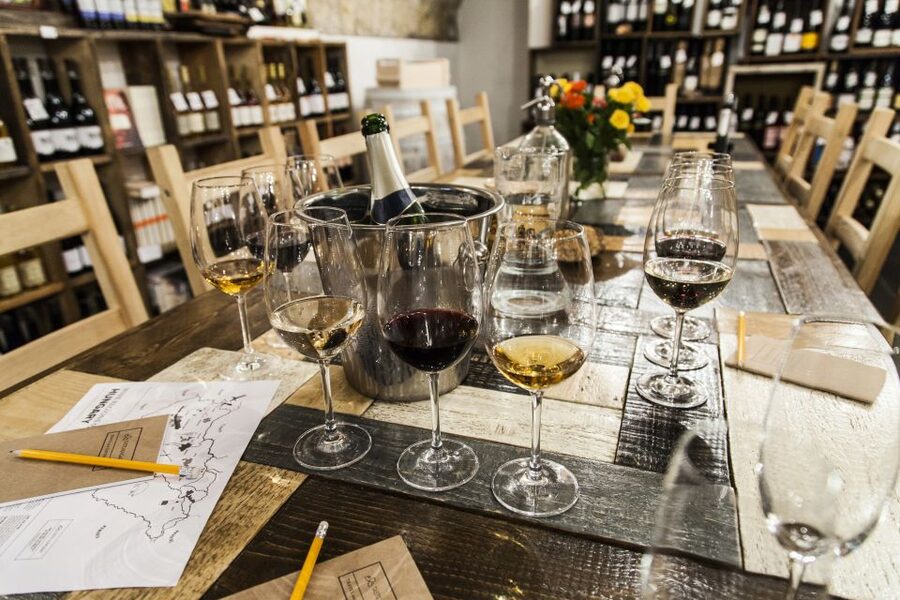
The final wine is a sweet botrytised Tokaj aszú. This is the natural grand finish to a Hungarian wine class, since Tokaj is the country’s most internationally recognized wine area.
You hear about how the wine fits into Hungary’s winemaking story, then taste the contrast between the sweet finish and the dry wines that came before it. Even if you usually avoid dessert wine, this is worth approaching with an open mind. It gives the tasting a clear ending and helps explain why Tokaj has such a strong place in Hungary’s wine identity.
The eight-wine sequence is effective because it is not just a collection of bottles. It moves from a welcoming aperitif through different dry styles and finishes with a wine that feels distinct. By the last glass, you have a better sense of Hungary as a wine country rather than simply a place that makes one famous sweet wine.
How much value do you get for $65?
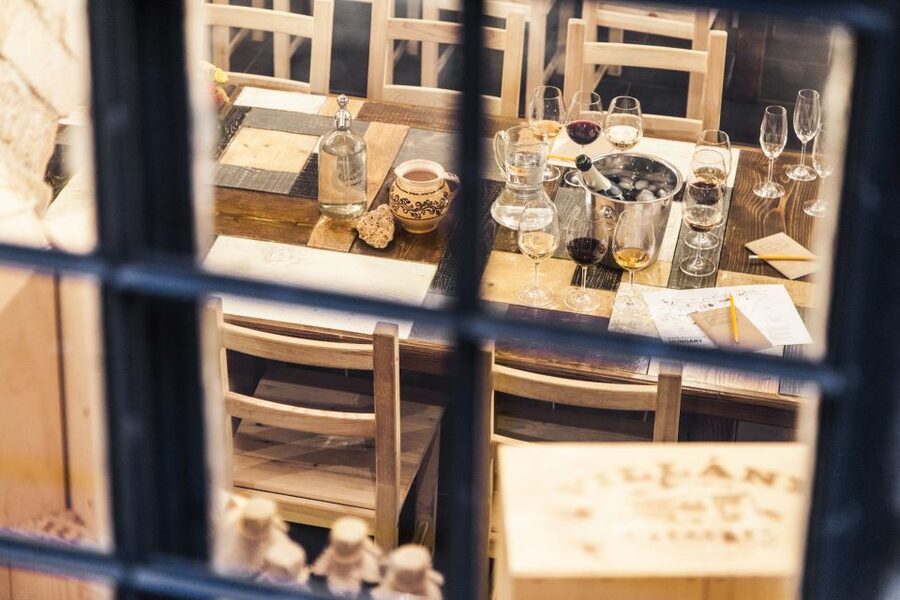
At $65 per person, this is not the cheapest way to spend an evening in Budapest. It is also more than you would pay for a single glass of wine and a snack. The value comes from the combination of eight wines, a guided lesson, food, mineral water, tasting sheets, and a map of Hungarian wine regions.
The direct comparison is with ordering bottles on your own. You could spend less if you already know what you want, but you would not get the same regional explanation or the chance to sample eight different styles without committing to full bottles.
The pours are another reason the price can work in your favor. Several sessions have provided generous servings, sometimes close to a normal glass. That is good value, but it also means you should pace yourself and eat the food provided.
The tasting sheets let you record the names of bottles and your own impressions. This is useful because unfamiliar grape names tend to blur together after the fourth or fifth pour. The map helps you connect the wine to its place, which is often the detail you remember later.
There may also be an opportunity to buy bottles from the shop after tasting. A previous session included a discount on wines sampled that evening, and another person returned the next day to purchase bottles. Ask about current shop policies rather than assuming the same discount is always available.
Timing, group atmosphere, and the practical details
The tasting usually runs from 6:00 PM to 8:00 PM on most evenings. That makes it easy to schedule after the National Museum, a daytime walking tour, or a late afternoon in central Pest.
Some sessions have run longer when conversation continued, sometimes by half an hour or more. Do not rely on an extension, but avoid booking a theater performance or train immediately afterward. The official duration is two hours.
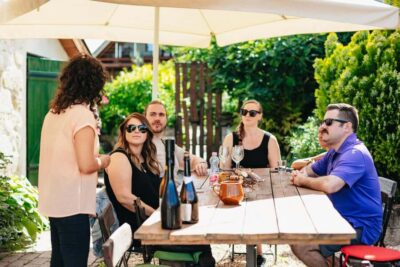
The group atmosphere can be part of the fun. Past tables have included couples, solo visitors, and people from several countries. One group continued for a drink together after the tasting, which tells you something about the social side of the format.
There is a possible downside to any shared tasting: people may talk while the sommelier is speaking. One person found it difficult to hear parts of the presentation because of constant conversation. Sit close to the host if the history and regional details matter to you.
The legal drinking age in Hungary is 18, and anyone at least 18 can take part. A minimum of two participants applies, so a confirmed session can be canceled if there are not enough bookings. In that case, an alternative or full refund is offered.
You can cancel up to 24 hours ahead for a full refund, and the reserve-now, pay-later option helps if your Budapest plans are still moving around.
Who will enjoy this tasting most?
I would recommend it to you if you want a useful introduction to Hungarian wine without spending a day in the countryside. It is also a good choice if you enjoy food and drink as a way to understand a place.
It suits:
- Wine beginners who want clear explanations without pressure
- Experienced wine drinkers looking for unfamiliar grapes and smaller producers
- Solo visitors who would enjoy a shared table
- Couples seeking an easy evening activity near central Budapest
- Visitors who want to decide which Hungarian bottles to buy later
- Anyone who already knows Tokaj and wants to learn about the rest of the country
It may not suit you if you do not drink alcohol, dislike group settings, or want a quiet, private meal. It is also a poor fit if you need to stay completely clear-headed afterward. Eight generous pours can add up quickly, and one past participant openly admitted to becoming quite tipsy.
My booking advice
I like this experience because it gives you a map of Hungarian wine in a single evening. The atmosphere is informal, the food is useful rather than ornamental, and the hosts bring enough passion to make unfamiliar grapes feel worth remembering.
Book it early in your Budapest stay if you want to buy bottles afterward or shape the rest of your dining plans around what you learn. Choose the 6:00 PM session if you want a classic evening schedule, and sit near the sommelier if you care most about the explanations.
At $65, the price makes sense for anyone who values instruction, variety, and generous food pairings. If you only want a drink, go to a wine bar. If you want to understand why Hungarian wine is worth seeking out, book the class.
FAQ
Where does the Hungarian wine tasting take place?
It takes place at The Tasting Table Budapest, Bródy Sándor utca 9, 1088 Budapest, in District VIII.
How close is the venue to public transportation?
The tasting room is about a five-minute walk from Astoria on metro line M2 and Kálvin tér on metro line M3. Trams 47 and 49 also stop at Astoria and Kálvin tér.
How long does the experience last?
The scheduled duration is two hours. Sessions generally run from 6:00 PM to 8:00 PM, although some evenings may continue longer if conversation and tasting carry on.
How many wines are included?
Eight Hungarian wines are included. The selection begins with an aperitif and includes whites and reds, with a possible rosé, before ending with a sweet botrytised Tokaj aszú wine.
Is food included?
Yes. The package includes food pairings featuring local Hungarian flavors, along with mineral water. Past pairings have included Hungarian cheeses, charcuterie, meats, bread, and related accompaniments.
Is the tasting held in English?
Yes. The host or greeter and the guided tasting are in English.
What is the minimum age to participate?
The legal drinking age in Hungary is 18, so participants must be at least 18 years old.
Can I cancel the booking?
Yes. You can cancel up to 24 hours in advance for a full refund. A reserve-now, pay-later option is also available.
More Workshops
- Budapest: Hungarian Chimney Cake Workshop in the City Center
★ 4.8 · 885 reviews - Budapest Cooking Class & Market Tour with Local Guide & Wines
★ 5.0 · 553 reviews - Chimney Cake Workshop Budapest Downtown – Kürtőskalács Class
★ 5.0 · 220 reviews - Budapest: Hungarian Cooking Class and Market Walk
★ 5.0 · 91 reviews
Just added around Budapest
- Lake Balaton and Herend Guided Tour★ 4.7 · 3 reviews
- Audio visual multi-sensory chefs journey dinner experience★ 5.0 · 3 reviews
- Hollókő Ethnographic Village: Day Tour from Budapest★ 3.7 · 3 reviews
- Tapolca Cave Lake and Tihany/ Balaton private tour from Budapest★ 4.5 · 3 reviews
- Budapest Art Nouveau Walking Tour★ 5.0 · 3 reviews
- SzentEndre-SaintAndrew City Privately Shopping and Picturesque★ 4.5 · 3 reviews
- Budapest Drinks and Piano Show Cruise★ 4.5 · 3 reviews
- Horseshow on the Hungarian Puszta, private tour from Budapest with entry!★ 5.0 · 3 reviews
Wine Tours, compared.
Countryside Half-day Gastro-Wine Tour from Budapest Meal & pickup
What we thought →Budapest Centre Food Tour with 10+ Tastings, Wine & Street Food
What we thought →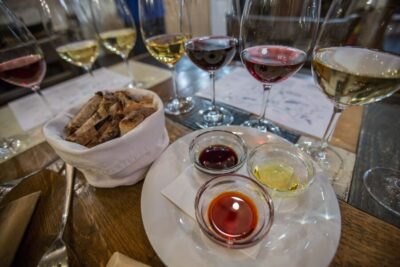
Budapest Cooking Class & Market Tour with Local Guide & Wines
What we thought →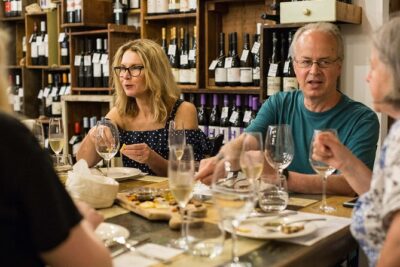
Hungarian Wine Tasting (with Cheese and Charcuterie) in Budapest
What we thought →
Budapest Food Tour: Market to Tavern with 14+ Tasters & Wines
What we thought →
Browse the lists this tour appears in