
Reviewed · COOKING CLASSES
Hungarian Cooking Class with Iconic Dishes
Paprika tells Hungary’s story deliciously. This 2.5-hour cooking class brings you into a cozy studio apartment in central Budapest, where chef Marti teaches one classic dish, shares family recipes, and explains Hungarian customs over food and drinks. I like the small group of up to eight, and I like that you leave with recipes and kitchen tips you can use at home. The main consideration is that you prepare only one of the four featured dishes, so choose carefully.
I also like the personal setting. This is not a large restaurant demonstration or a quick tourist meal. You cook, taste Hungarian bites, and chat with Marti about food, wine, Jewish customs, and everyday life. The apartment is a dedicated class space rather than her private home, which may matter if you are seeking a more literal home-cooking visit.
In This Review
- Key points at a glance
- Cooking Hungarian food at Király utca
- Choosing between four Hungarian classics
- Goulash soup
- Chicken paprikash with small dumplings
- Stuffed cabbage
- Hortobágy-style savoury meat crêpes
- What the 2.5-hour session feels like
- Farmer’s plate, wine, and homemade drinks
- The most personal part: stories from Marti
- Dietary needs and choosing the right class
- How the group size affects the experience
- What you take home besides leftovers
- Who will enjoy this experience most
- Booking value and practical timing
- Should you book the Hungarian cooking class?
- FAQ
- Where does the Hungarian cooking class start?
- Where does the activity end?
- How long does the cooking class last?
- How many people can join?
- Which dishes can I choose from?
- Is the main dish included?
- Is food served besides the main dish?
- Which drinks are included?
- Can dietary needs be accommodated?
- Do I receive the recipes afterward?
Key points at a glance
- Choose one famous Hungarian dish: Make goulash soup, chicken paprikash, stuffed cabbage, or Hortobágy-style savoury meat crêpes.
- Chef Marti leads the class: Her teaching combines cooking technique with stories about family recipes, customs, and Hungarian life.
- A small central Budapest setting: The class meets at Flavors of Budapest, Király u. 77, in the heart of the city’s Jewish quarter.
- Food and drinks are part of the experience: Taste a farmer’s plate, homemade soft drinks, mineral water, and Hungarian wine while you cook.
- Useful take-home value: You receive the recipes, practical kitchen advice, and tricks needed to repeat the dish at home.
- Good for flexible plans: The session lasts 2.5 hours, accepts up to eight people, and allows cancellation up to 24 hours before the start.
Cooking Hungarian food at Király utca
The class begins at Flavors of Budapest, Király u. 77, 1077 Hungary. This central address makes the experience easy to fit into a Budapest sightseeing day, especially if you are staying near the inner districts. You return to the same meeting point when the session ends, so there is no transport puzzle to solve.
The setting is a private, cozy studio apartment used for the class. That gives the experience a quieter feel than a busy cooking school, and the small group helps keep the session practical. With no more than eight participants, you should have room to watch, ask questions, and take part instead of simply standing at the back.
One useful point of context: this is a dedicated class space, not necessarily Marti’s own living room. One detailed account describes it as stylish, quiet, and located in the middle of the Jewish community. That makes it a good middle ground. You get a personal atmosphere without being invited into a stranger’s actual private home.
More cooking classes:
- Budapest Cooking Class & Market Tour with Local Guide & Wines
★ 5.0 · 553 reviews - Premium Hungarian Home Cooking Experience with Chef Marti
★ 5.0 · 169 reviews - Hungarian Cooking and optional Local Market Tour
★ 4.5 · 98 reviews
Choosing between four Hungarian classics
You choose one dish from four options. This decision shapes the whole class, so think about what you most want to learn and what you are likely to cook again.
Goulash soup
Goulash soup is the obvious choice if you want a taste of Hungary’s best-known dish. The class uses beef and celery, and the lesson can help you understand how a familiar national dish differs from the thick, stew-like versions often served outside Hungary.
This is a good pick if you want a warming, traditional recipe with strong links to Hungarian home cooking. It also suits anyone who wants to learn how local ingredients and seasoning work together in a simple but characterful soup.
Chicken paprikash with small dumplings
Chicken paprikash comes with small dumplings and includes dairy, egg, and flour. It is a practical choice for cooks who want a dish that feels both traditional and manageable at home.
The dumplings add an extra skill to the lesson, while the sauce gives you a chance to learn how paprika fits into a complete dish rather than treating it as a decorative spice. If you are comfortable with dairy, egg, and flour, this may be the most useful all-round family meal on the menu.
A few more trips worth weighing up before you book
- Budapest: Hungarian Chimney Cake Workshop in the City Center
★ 4.8 · 885 reviews - Chimney Cake Workshop Budapest Downtown – Kürtőskalács Class
★ 5.0 · 220 reviews - Budapest: Essentials of Hungarian Wine Tasting Class
★ 4.9 · 174 reviews - Budapest: Hungarian Cooking Class and Market Walk
★ 5.0 · 91 reviews
Stuffed cabbage
Stuffed cabbage includes pork, dairy, and egg. This is the choice for you if you are interested in a more involved dish with strong ties to festive and family cooking.
Stuffed cabbage can take more patience than a basic soup or chicken dish, so the hands-on format matters here. You get to see the process rather than only receiving a finished plate. Ask about the pace and technique during the session, particularly if you hope to recreate it for a larger family meal.
Hortobágy-style savoury meat crêpes
The fourth option is a savoury meat crêpe in the Hortobágy style, containing dairy, egg, and flour. It is a useful pick if you want something less obvious than goulash but still firmly connected to Hungarian cooking.
The dish combines a crêpe with a savoury meat filling, giving you several techniques in one recipe. It may appeal most to adventurous cooks who want a dish that will surprise friends at home.
What the 2.5-hour session feels like
The class is designed as a hands-on cooking experience rather than a formal lecture. You learn about ingredients, prepare your chosen dish, and pick up small methods that can make a difference in your own kitchen.
The exact order may vary, but expect the session to move between cooking, tasting, and conversation. While the food cooks, Marti fills in the wider picture with stories about Hungarian customs, culture, and history. One of the strongest features is the way those stories connect to daily life instead of sounding like a school lesson.
Marti’s background adds another layer. She learned recipes connected to her husband’s grandmother, who is still alive and continues to teach her. That detail gives the cooking a family thread, especially for anyone who values recipes passed down through generations.
You also hear about Jewish Hungarian life and customs. The conversation is presented in a personal way, shaped by Marti’s own life rather than a memorized script. That can make the cultural side of the class more meaningful than a short list of dates and facts.
The session lasts 2.5 hours, which is long enough for cooking and a proper meal without taking over your whole day. Still, you should allow yourself a little flexibility around the stated duration. Cooking involves real preparation, and the social pace may vary depending on the group.
Farmer’s plate, wine, and homemade drinks
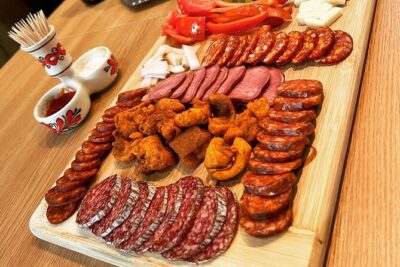
The food begins before your main dish is ready. A farmer’s plate is included, along with Hungarian bites to taste during the class. This gives you something to sample while you work and offers a quick introduction to local flavors beyond the recipe you selected.
Drinks include mineral water, still or sparkling, two types of homemade soft drinks, and white or red wine. This is more than a simple glass of water beside a cooking station. It turns the class into a relaxed food gathering, with Hungarian drinks woven into the meal.
The homemade soft drinks are a particularly nice touch because they make the experience more personal and also give non-drinkers something local to enjoy. Wine fans may appreciate Marti’s connection to a Hungarian wine region and her ability to explain what you are drinking in an easy, conversational way.
The wine also improves the value of the $102 price. This is not merely an ingredient-and-instruction fee. You are paying for the cooking lesson, the prepared meal, snacks, drinks, the private setting, and Marti’s time. It is still a fairly significant price for a 2.5-hour activity, so it makes the most sense if you want both dinner and cultural conversation rather than cooking instruction alone.
The most personal part: stories from Marti
The food is the reason to book, but Marti is likely to shape your memory of the class. Her style is warm and social, with plenty of conversation while the meal comes together. Several descriptions of the experience focus on how quickly she makes people feel at home.
That matters because cooking classes can sometimes feel staged. Here, the appeal is the exchange around the food. You can ask about customs, ingredients, wine, and family cooking as the meal develops. The mood sounds especially well suited to people who enjoy chatting over dinner instead of rushing through a fixed demonstration.
Marti’s education and personal background also support the cultural side of the class. She speaks about Hungary and Jewish life from personal experience, not only from a prepared tourist script. I would value that distinction if you want food to be a doorway into local life.
The social tone may not suit everyone. If you prefer a fast, tightly timed workshop with little conversation, the relaxed pace could feel loose. Likewise, solo visitors who want a quiet lesson should know that the class is built around shared cooking and discussion.
Dietary needs and choosing the right class
Dietary requests are welcomed, but you need to communicate them in advance. Vegetarian, gluten-free, lactose-free, and nut-allergy needs can be discussed with the provider.
The listed recipes contain several common allergens:
- Goulash soup includes beef and celery.
- Chicken paprikash includes dairy, egg, and flour.
- Stuffed cabbage includes pork, dairy, and egg.
- Hortobágy-style meat crêpes include dairy, egg, and flour.
The information does not specify a separate vegetarian menu, only that vegetarian requests can be accommodated. I would contact the provider before booking and ask exactly which dish can be adapted and how cross-contact will be handled. Do not assume that every option can be changed without affecting the recipe.
The same advice applies to serious allergies. The class provides all ingredients and equipment, but you should explain your needs clearly before arrival.
How the group size affects the experience
A maximum of eight people keeps the class small enough for personal attention. You are less likely to feel like a spectator, and there should be a better chance to ask about knife work, seasoning, dumplings, sauces, or substitutions.
The group size also affects the social side. You may cook alongside couples, friends, families, or solo participants, and the shared meal creates an easy reason to talk. If you enjoy meeting people through food, this is a plus.
On the other hand, a small group does not mean a private class. Unless you book an exclusive arrangement, you should expect to share the space and the conversation with other participants. The advantage is a more intimate group, not complete one-on-one instruction.
What you take home besides leftovers
The most useful souvenir is the set of recipes. You receive instructions for recreating your chosen dish, along with kitchen tips and tricks gathered during the session.
That practical follow-up improves the value considerably. A cooking class is easy to enjoy and easy to forget. Recipes let you bring the experience into your own kitchen, while Marti’s advice may help you avoid common mistakes when you cook Hungarian food without her guidance.
You do not prepare all four dishes, so you will not leave with full instructions for goulash, paprikash, stuffed cabbage, and meat crêpes. If you are traveling with a partner or friend, consider choosing the dish that best matches your cooking habits instead of simply picking the most famous name.
Who will enjoy this experience most
I would recommend this class to food-focused visitors who want more than a restaurant meal. It is especially well suited to you if you like learning by doing, enjoy personal conversation, and want a recipe you can repeat after returning home.
It also works well for couples, small friend groups, and solo visitors who are comfortable joining a shared activity. The central location, short duration, and return to the same meeting point make it easy to add to a Budapest itinerary.
Families may enjoy the friendly setting, but the information does not give a minimum age or describe special child arrangements. Ask before booking if you are traveling with children.
This is less suitable if you want a broad tasting tour with many finished dishes. You choose one main recipe, with a farmer’s plate and Hungarian bites alongside it. It is also not the best match for someone who dislikes social settings or wants a strictly professional kitchen environment.
Booking value and practical timing
At $102 per person, the class is not a budget meal. The cost makes more sense when you count the full package: a professional chef, hands-on instruction, all ingredients, kitchen equipment, one iconic dish, a farmer’s plate, wine, homemade soft drinks, mineral water, cultural conversation, and take-home recipes.
The small group and private studio setting are central to the price. You are paying for attention and atmosphere as much as for food. If you would happily spend that amount on a special dinner and also want to learn a recipe, this can be good value.
The class runs for 2.5 hours, with starting times dependent on availability. I would place it on a day when you are not racing to another timed attraction. The session includes cooking and social conversation, and the best part may be the unhurried time around the table.
Free cancellation is available up to 24 hours before the start for a full refund. You can also reserve now and pay later, which helps if your Budapest plans are still shifting.
Should you book the Hungarian cooking class?
Book it if you want to connect Hungarian food with family stories, customs, and everyday life. Marti’s warmth, the small group, the central studio, and the chance to cook a classic dish make this more personal than a standard restaurant dinner.
Choose goulash if you want the country’s signature comfort food. Pick chicken paprikash if you want a practical family recipe. Select stuffed cabbage for a more traditional project, or Hortobágy-style crêpes for something less familiar.
Skip it if you want a cheap lunch, a large menu of dishes, or a strictly timed technical workshop. For everyone else, especially cooks who want to take Hungarian flavors home, the $102 fee can be justified by the food, drinks, teaching, and personal stories packed into the 2.5 hours.
FAQ
Where does the Hungarian cooking class start?
It starts at Flavors of Budapest, Király u. 77, 1077 Hungary, in central Budapest.
Where does the activity end?
The class ends back at the meeting point.
How long does the cooking class last?
The experience lasts 2.5 hours. Starting times depend on availability.
How many people can join?
The class is limited to eight participants.
Which dishes can I choose from?
You can choose goulash soup, chicken paprikash with small dumplings, stuffed cabbage, or Hortobágy-style savoury meat crêpes.
Is the main dish included?
Yes. One iconic Hungarian dish from the four available options is included.
Is food served besides the main dish?
Yes. A farmer’s plate and Hungarian bites are included during the session.
Which drinks are included?
Drinks include white or red wine, two types of homemade soft drinks, and still or sparkling mineral water.
Can dietary needs be accommodated?
Vegetarian, gluten-free, lactose-free, and nut-allergy requests can be discussed. Contact the provider before booking with your specific needs.
Do I receive the recipes afterward?
Yes. The class includes recipes and useful kitchen tips so you can prepare the dish at home.
Just added around Budapest
- Lake Balaton and Herend Guided Tour★ 4.7 · 3 reviews
- Audio visual multi-sensory chefs journey dinner experience★ 5.0 · 3 reviews
- Hollókő Ethnographic Village: Day Tour from Budapest★ 3.7 · 3 reviews
- Tapolca Cave Lake and Tihany/ Balaton private tour from Budapest★ 4.5 · 3 reviews
- Budapest Art Nouveau Walking Tour★ 5.0 · 3 reviews
- SzentEndre-SaintAndrew City Privately Shopping and Picturesque★ 4.5 · 3 reviews
- Budapest Drinks and Piano Show Cruise★ 4.5 · 3 reviews
- Horseshow on the Hungarian Puszta, private tour from Budapest with entry!★ 5.0 · 3 reviews
Cooking Classes, compared.
Budapest Cooking Class & Market Tour with Local Guide & Wines
What we thought →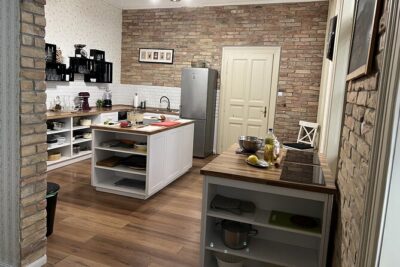
Premium Hungarian Home Cooking Experience with Chef Marti
What we thought →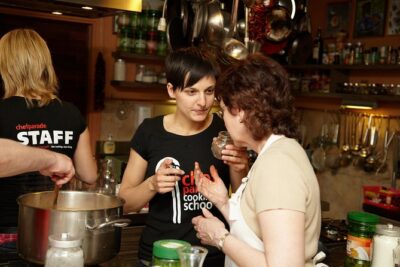
Hungarian Cooking and optional Local Market Tour
What we thought →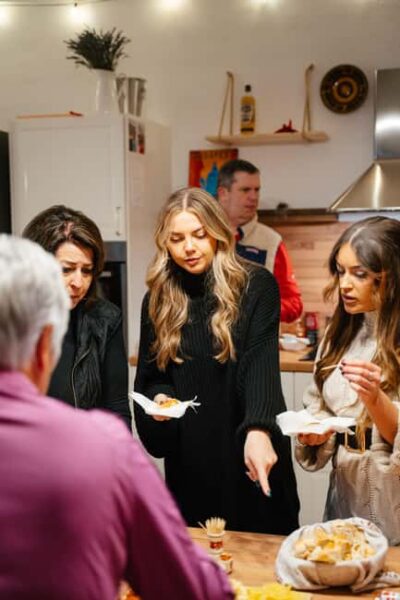
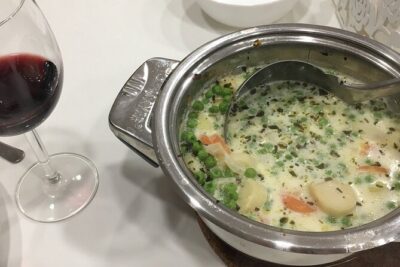
Easy Cooking Class Budapest – with Market Walk (local wine & pálinka included)
What we thought →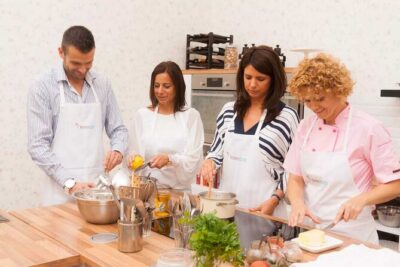
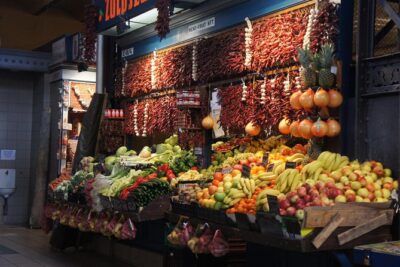
Budapest Market Tour & Home Cooking Class with local Chef & Guide
What we thought →
Hungarian Cooking Class with Nelli – ONLINE over Zoom
What we thought →Browse the lists this tour appears in