
Reviewed · COOKING CLASSES
Hungarian Cooking and optional Local Market Tour
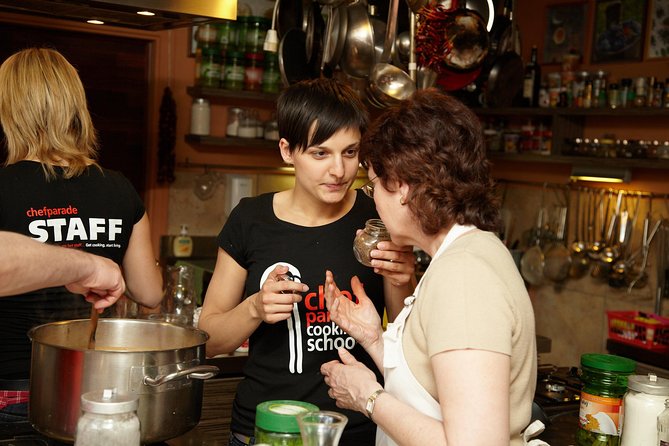
Good food teaches you how a place thinks. This Budapest cooking class turns a meal into a cultural lesson, with hands-on preparation of goulash soup, chicken or mushroom paprikash, nokedli, and apple strudel. I especially like the generous mix of cooking, local wine, palinka tasting, and stories about Hungarian customs. The small-group format also gives you a real chance to work with the instructor instead of simply watching a demonstration.
The optional market visit adds useful local context, especially if you want to understand Hungarian paprika, meats, pastries, cheeses, and produce before cooking. My main caution is that the market portion and return transportation need careful confirmation, since the advertised meeting and ending details can be confusing. At $126.98 per person, this is best value when you want a full food experience, not just a quick cooking lesson.
In This Review
- Key details before you book
- What this Budapest cooking class is really about
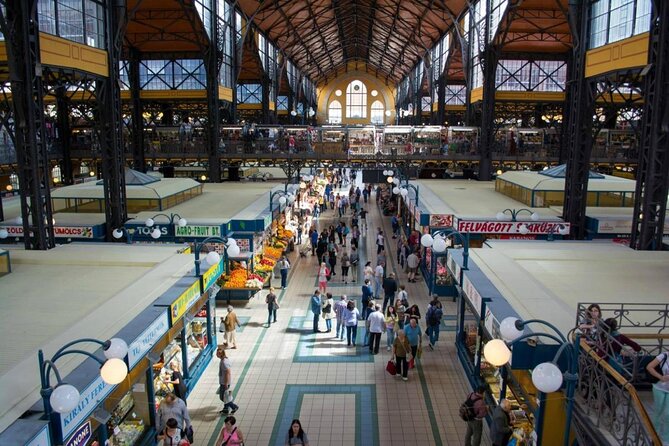
- Starting at Budapest’s Central Market Hall
- Paprika, produce, and the Hungarian market lesson
- Cooking goulash, paprikash, and nokedli
- Apple strudel and the pleasure of eating your work
- Wine, palinka, and Hungarian food traditions
- Group size, teaching style, and class atmosphere
- Getting there and sorting out the ending
- Is $126.98 a fair price?
- Who should book this class?
- Should you book the Hungarian cooking class?
- FAQ
- Where does the Hungarian cooking experience begin?
- How long does the experience last?
- Is the market tour included?
- What dishes might I prepare?
- Is a vegetarian menu available?
- Is the class taught in English?
- How many people can join the class?
- Are drinks included?
- Where does the class end?
- Can I cancel for a full refund?
Key details before you book
- Three traditional dishes from scratch: You prepare a soup, savory main course, and dessert, then sit down to eat what you made.
- Central Market Hall option: The market tour introduces Hungarian ingredients, food stalls, and local shopping customs before class.
- Small groups of up to 15: Several classes have been much smaller, creating more time for questions and individual help.
- Wine, snacks, and Hungarian spirits: Local wines accompany the cooking, with palinka and sometimes Unicum included as part of the food-and-culture experience.
- Recipes to take home: You receive recipes so you can make dishes such as paprikash, goulash, and strudel after returning home.
- Allow about four hours: The class itself can take three to four hours, with the optional market visit adding another part to the morning.
What this Budapest cooking class is really about
This is not a polished restaurant meal with a token recipe card at the end. You chop, stir, cook, bake, and eat. The appeal is the connection between everyday Hungarian food and the people explaining it.
The cooking school is run by Chefparade Cooking School, with classes taught by instructors including Vesna, Bernadette, Brigitte, Betty, Sylvia, Adrienne, and Bernadet. The strongest praise centers on the teachers. Vesna is repeatedly described as warm, patient, and especially good at explaining both the food and Hungarian life. Betty earned similar praise for clear instruction and useful cooking techniques.
The class is offered in English, and the activity has a 4.7 rating from 98 reviews, with 93 percent of customers recommending it. Those numbers fit the overall picture: the teaching and food are usually the high points, while the market add-on and transportation details require more care.
You do not need to be an experienced cook. One person specifically described taking several cooking classes around the world and called this one the best, while another identified as a non-cook and enjoyed seeing the dishes come together. The instructors appear used to helping people at different skill levels.
More cooking classes:
- Budapest Cooking Class & Market Tour with Local Guide & Wines
★ 5.0 · 553 reviews - Premium Hungarian Home Cooking Experience with Chef Marti
★ 5.0 · 169 reviews - Budapest: Hungarian Cooking Class and Market Walk
★ 5.0 · 91 reviews
Starting at Budapest’s Central Market Hall
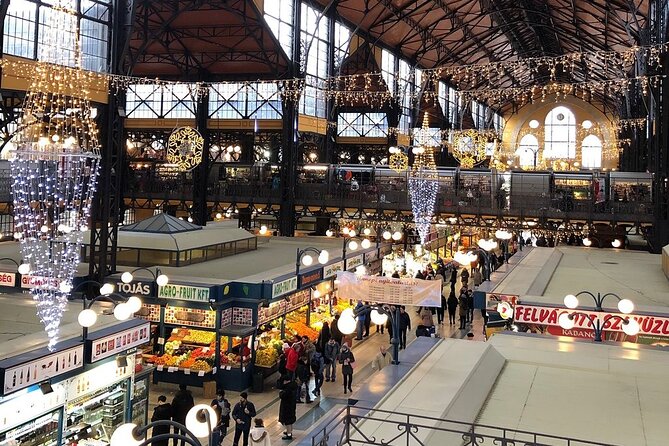
The published starting point is Central Market Hall in Budapest, at 1093 Hungary. This is a sensible place to begin because it gives the food portion a genuine setting rather than treating the market as an unrelated sightseeing stop.
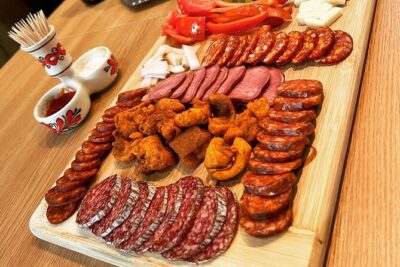
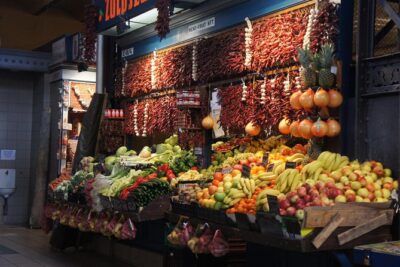
With the optional market tour, your guide shows you how Hungarians use the market. It is not presented only as a place to buy souvenirs. You get an introduction to produce, paprika, cheese, meats, pastries, and other ingredients used in Hungarian cooking.
The visit can also include tastings. One detailed experience included samples of market foods and explanations of why one brand or variety was preferable to another. That sort of advice is more useful than a simple walk past stalls, especially if you hope to buy paprika, condiments, or ingredients for making goulash at home.
Plan for the market tour to last roughly an hour, based on the experience described by one customer. That is enough time for an overview, but not necessarily enough for a relaxed shopping trip. If you want to browse every counter or buy several food items, you may feel hurried.
One important warning: the market portion has not always been communicated clearly. A customer who paid for the optional tour found that the cooking school did not appear to know about it at first. Another person found the tour rushed and had little time to shop. I would confirm the market start time, the exact meeting instructions, and what is included before the day begins.
Paprika, produce, and the Hungarian market lesson
Paprika is central to Hungarian food, but the market visit can help you understand that not all paprika tastes alike. One class included comparisons between different peppers and brands, with the guide explaining which products were worth buying.
That is a practical benefit. You may leave with a better idea of what to look for when buying sweet paprika or other Hungarian condiments. One customer purchased paprika, a cookbook, and the seasonings needed to recreate goulash and pörkölt at home.
The guide may also point out which vendors offer better-quality meats, cheeses, and pastries. This is useful in a market where several stalls may sell similar goods. Still, the purpose is more introduction than extended shopping. If buying food is a priority, ask at the beginning when you will have time to make purchases.
The market tour is optional, so you can focus only on the cooking class if you prefer. I would choose the add-on if you like food culture and want to learn how ingredients are selected. I would skip it if you have already visited Central Market Hall and mainly want a relaxed kitchen session.
Cooking goulash, paprikash, and nokedli
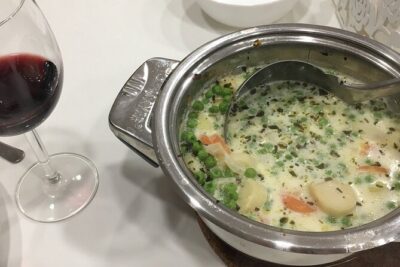
The menu varies. The listed version includes goulash soup, followed by chicken paprikash with nokedli, and apple strudel. A vegetarian option may be available on request, using mushroom paprikash instead of chicken. Other classes have prepared creamy potato soup, pörkölt, or palacsinta, so your exact menu may not be identical.
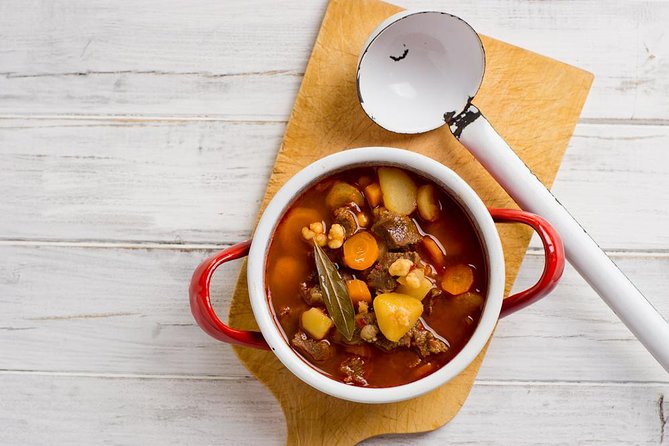
Goulash soup is hearty and built around beef and vegetables. The class gives you a chance to see how the dish develops instead of receiving a finished bowl in a restaurant. You learn through the process, with the instructor explaining Hungarian ingredients and cooking customs along the way.
Chicken paprikash is the centerpiece for many groups. The sauce is creamy, paprika-based, and traditionally paired with fresh nokedli, a Hungarian version of small dumplings similar to spaetzle. Making the nokedli yourself is one of the more memorable hands-on parts because it turns a familiar restaurant dish into a skill you can repeat at home.
One especially detailed class spent about an hour cooking the chicken and sauce, with regular stirring and turning to avoid overcooking. That suggests the best version of this experience is not a rushed dump-and-stir demonstration. At the same time, a different customer felt the class moved too quickly and that each person prepared only part of the recipe. Your experience may depend on group size, instructor, and how the session is organized that day.
The mushroom paprikash option makes the class more accessible for vegetarians, but dietary needs should be stated when booking. The information provided warns that options for allergies and religious dietary restrictions may be limited. Do not assume that every substitution will be possible.
More market visits:
- Budapest Food Tour: Market to Tavern with 14+ Tasters & Wines
★ 5.0 · 434 reviews - Budapest: Hungarian Cuisine in the Market Hall (german)
★ 4.8 · 146 reviews - Easy Cooking Class Budapest – with Market Walk (local wine & pálinka included)
★ 5.0 · 62 reviews - Budapest Great Market Hall Chef‑Led Private Tasting Tour
★ 5.0 · 61 reviews
Apple strudel and the pleasure of eating your work
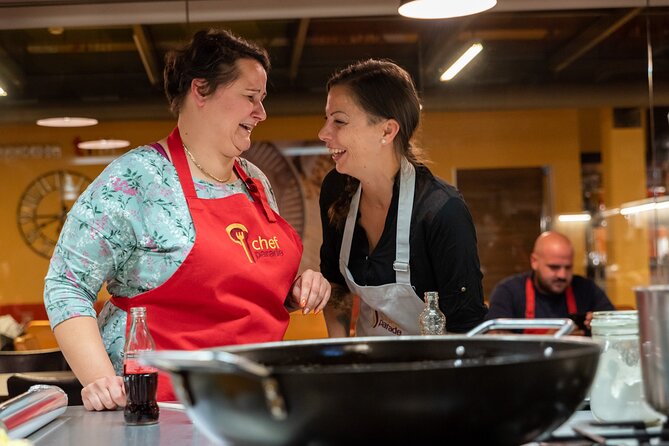
Dessert is apple strudel, made with thin pastry and an apple-and-cinnamon filling. Several classes have included homemade strudel, and one person was able to take extra strudel away afterward. That is a small but welcome touch after several hours of cooking.
The dessert also adds variety to the class. You are not only learning savory dishes heavy with paprika and onions. You are handling pastry, preparing fruit, and ending with something sweet.
The most satisfying part comes at the table. You eat the food prepared by the group, usually with Hungarian wine or beer. People have described the portions as plentiful, and one person was still eating leftovers afterward. The meal is communal, casual, and tied directly to the work you have just done.
That makes the class particularly good for couples, families, and friends who want an activity with a built-in meal. It also works well for solo participants because the shared cooking naturally creates conversation.
Wine, palinka, and Hungarian food traditions
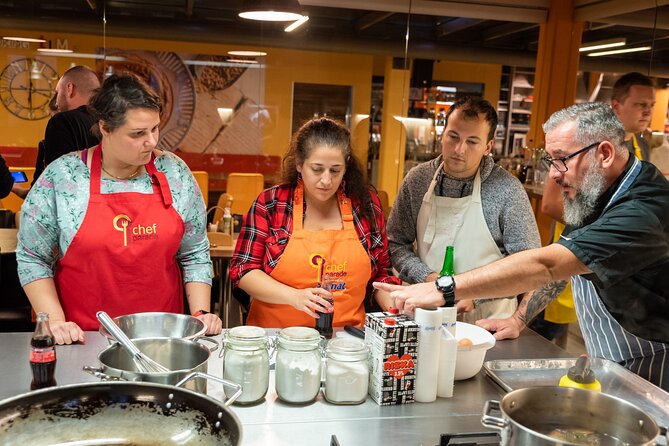
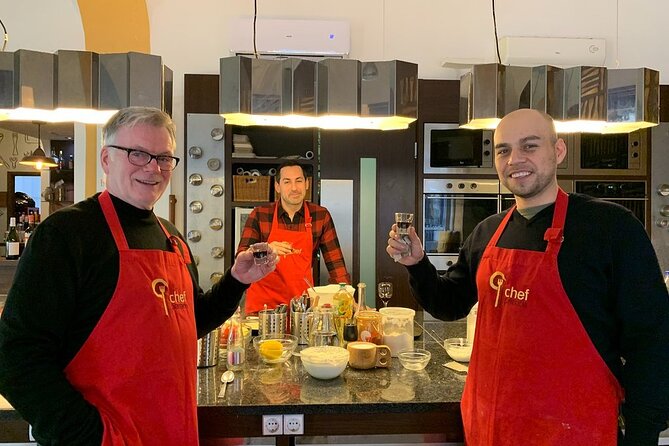
The drinks are part of the lesson rather than a separate tasting event. Local wines are served while you cook and eat, and the class includes a little palinka tasting. Palinka is a strong Hungarian fruit brandy, so even a little can make an impression.
Some sessions have also included Unicum after the meal. It was described as an extra rather than a standard part of the program, so do not book this expecting a dedicated spirits tasting.
The instructors use the meal to talk about Hungarian culture, family traditions, and everyday food. That cultural explanation is one of the strongest reasons to choose this class over simply ordering paprikash in a restaurant. You learn why certain ingredients matter and how the dishes fit into Hungarian home cooking.
The style is friendly rather than formal. Several descriptions highlight laughter, relaxed conversation, and instructors who explain alternatives instead of forcing you to follow a recipe without understanding it. This is especially useful if you want to adapt the dishes to ingredients available at home.
Group size, teaching style, and class atmosphere
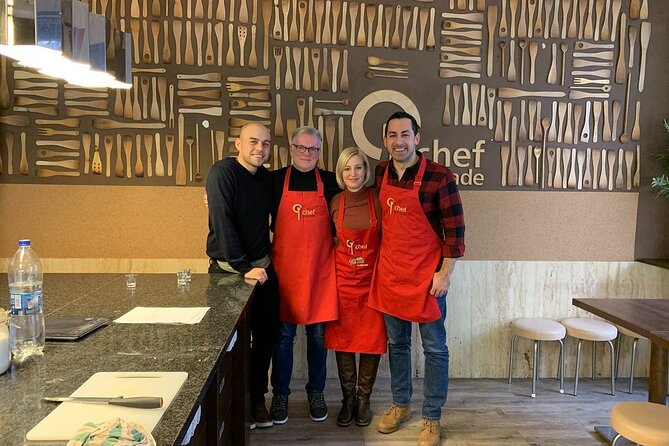
The maximum group size is 15 people. That is small enough to feel personal compared with a large demonstration, but 15 cooks can still make the kitchen busy. If you are hoping for one-on-one instruction throughout, a smaller group is preferable.
The experience can sometimes become nearly private. One couple found that they were the only people in their class. In that situation, the instructor can spend far more time correcting technique, answering questions, and adjusting the pace.
The teaching quality appears to be the most dependable strength. Vesna is praised for her market knowledge and patient cooking instruction. Bernadette and Brigitte are also described as clear, kind, and easy to follow. Betty helped a late and confused arrival find the school, even greeting that person outside.
Recipes are provided, which matters if you want more than a pleasant afternoon. The instructions can be used at home, and some people purchased a Hungarian cookbook or ingredients after class. You should still take notes if you have specific questions, since the printed recipes may not capture every tip shared in conversation.
Getting there and sorting out the ending
The information gives several possible school addresses: Páva Street 13 on the Pest side or Bécsi Street 27 in Buda. It also says the activity starts at Central Market Hall, while another note says the class ends at the cooking school. This is the biggest practical weakness in the description.
The experience is near public transportation, but do not assume you will finish where you started. One customer expected a return to Central Market Hall and became concerned about getting back to the city center. The issue was eventually solved with a shared taxi, but the wait took more than 20 minutes.
There has also been confusion between basic and premium packages. Some people had return transportation, an apron, and a cookbook because they purchased a higher-priced option through another sales channel. Those extras are not necessarily part of the $126.98 experience.
Before booking, confirm:
- The exact cooking school address
- Whether your package includes the market tour
- How you will return to central Budapest
- Whether an apron or cookbook is included
- The precise menu for your class
These questions are not fussy. They prevent the one major disappointment associated with this experience.
Is $126.98 a fair price?
At $126.98 per person, this is not a cheap lunch. You are paying for roughly four hours, instruction, ingredients, a three-course meal, drinks, recipes, and possibly the market visit. The value improves if you take part in the optional tour and use what you learn later at home.
A restaurant meal would cost less, but it would not give you the cooking instruction, market context, or recipes. A basic cooking demonstration might also cost less, yet offer less hands-on work and fewer cultural details.
The price makes the most sense if you see the activity as both a meal and a Budapest experience. It is less attractive if you only want to sample Hungarian food or if the market tour is the main reason for booking and its arrangements remain unclear.
The strongest value comes from the instructors. Good teachers can explain why a dish works, show you how to make nokedli, and help you avoid mistakes you would repeat at home. When the group is small, the cost feels easier to justify.
Who should book this class?
I would recommend it to anyone who enjoys cooking, food traditions, or relaxed cultural activities. It suits couples and families particularly well, and it is also a good choice for solo visitors who like meeting people over a shared meal.
It is a strong pick for first-time visitors to Budapest who want more than a restaurant version of Hungarian cuisine. The market tour adds useful context, while the recipes give you a way to keep the experience going after your trip.
I would be more cautious if you have serious allergies, strict religious dietary rules, or limited mobility in a busy kitchen. The available information specifically warns that dietary alternatives may be limited, so ask before paying.
I would also avoid booking it at the last minute if the market tour is essential. The activity is commonly booked well in advance, about 44 days on average, and the confirmation process can be less certain when booked within one day of departure.
The cancellation policy is reasonable: cancel at least 24 hours before the start time for a full refund. Changes or cancellations inside that window are not accepted for a refund.
Should you book the Hungarian cooking class?
Book it if you want to cook a real Hungarian meal, learn why paprika matters, and spend several hours with an instructor who treats food as part of daily life. The teaching, hands-on work, wine, and final meal earn this experience its strong rating.
Add the market tour if you want help choosing Hungarian ingredients and enjoy food shopping. Just confirm the schedule and return transportation first. If you prefer a simple, clearly structured class with no extra logistics, book the cooking portion alone and verify the school address before arriving.
FAQ
Where does the Hungarian cooking experience begin?
The stated meeting point is Central Market Hall in Budapest, Hungary, postal code 1093.
How long does the experience last?
The cooking experience lasts approximately four hours. The description says the cooking portion can take three to four hours, with the market tour as an additional part of the experience.
Is the market tour included?
The market tour is optional. You need to select the option that includes it when booking.
What dishes might I prepare?
The listed menu includes goulash soup, chicken paprikash with nokedli, and apple strudel. A mushroom paprikash option may replace the chicken, and other class menus have included potato soup, pörkölt, and palacsinta.
Is a vegetarian menu available?
A vegetarian menu is available upon request, with mushroom paprikash listed as an alternative. You should provide dietary requirements when booking because options for allergies and religious dietary restrictions may be limited.
Is the class taught in English?
Yes. The experience is offered in English.
How many people can join the class?
The maximum group size is 15 people. Some sessions may be much smaller.
Are drinks included?
The experience includes local wines while cooking, along with snacks and a little palinka tasting. Unicum has also been served in some sessions, but it is described as an extra rather than a guaranteed part of the program.
Where does the class end?
The activity ends at the cooking school, with locations listed as Páva Street 13 in Pest or Bécsi Street 27 in Buda. Confirm the exact address and return arrangements before your class.
Can I cancel for a full refund?
Yes. You can cancel at least 24 hours before the local start time for a full refund. Cancellations or changes made less than 24 hours before the start time are not accepted for a refund.
More Shopping Tours
- Budapest: Central Market Hall Guided Food Tour with Tastings
★ 4.9 · 46 reviews - Budapest Market Tour & Home Cooking Class with local Chef & Guide
★ 5.0 · 23 reviews - Gourmet Market Walk at the Great Market Hall of Budapest
★ 4.5 · 18 reviews - Budapest Christmas Market Tour with Basilica visit & Chimney cake
★ 5.0 · 18 reviews
Just added around Budapest
- Lake Balaton and Herend Guided Tour★ 4.7 · 3 reviews
- Audio visual multi-sensory chefs journey dinner experience★ 5.0 · 3 reviews
- Hollókő Ethnographic Village: Day Tour from Budapest★ 3.7 · 3 reviews
- Tapolca Cave Lake and Tihany/ Balaton private tour from Budapest★ 4.5 · 3 reviews
- Budapest Art Nouveau Walking Tour★ 5.0 · 3 reviews
- SzentEndre-SaintAndrew City Privately Shopping and Picturesque★ 4.5 · 3 reviews
- Budapest Drinks and Piano Show Cruise★ 4.5 · 3 reviews
- Horseshow on the Hungarian Puszta, private tour from Budapest with entry!★ 5.0 · 3 reviews
Cooking Classes, compared.
Budapest Cooking Class & Market Tour with Local Guide & Wines
What we thought →
Premium Hungarian Home Cooking Experience with Chef Marti
What we thought →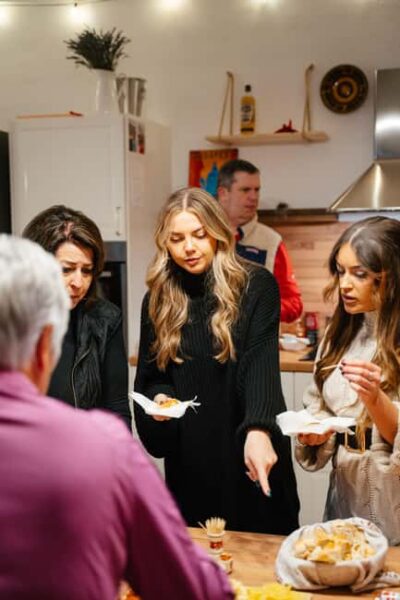
Easy Cooking Class Budapest – with Market Walk (local wine & pálinka included)
What we thought →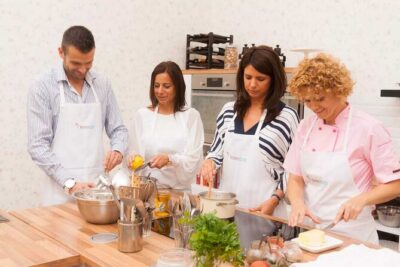
Budapest Market Tour & Home Cooking Class with local Chef & Guide
What we thought →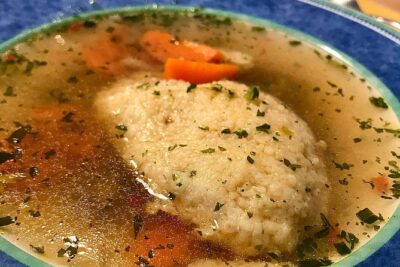
Hungarian Cooking Class with Nelli – ONLINE over Zoom
What we thought →
Hungarian Premium Cooking Class with 4-course meal
What we thought →Browse the lists this tour appears in