
Reviewed · WALKING TOURS
Budapest: Guided Walking Tour of Pest
Budapest opens up best on foot. This two-hour Pest walking tour links major sights with quiet streets, 19th-century buildings, and useful stories that are easy to miss from a bus. I like the low $16 price, and I like the chance to see the city with a guide rather than simply ticking off buildings from a pavement.
The guide quality is a major strength. Monica, Lina, Lena, and others have been praised for being friendly, engaging, and generous with local suggestions. The main thing to consider is the tour’s sightseeing style: you pass several landmarks, but entrance visits and long stops inside buildings are not part of the plan.
In This Review
- Key Points to Know Before You Go
- Why a Walking Tour Works Better Than a Bus
- Starting at Molnár’s Kürtőskalács
- St. Stephen’s Basilica and Budapest’s Grand Scale
- Chain Bridge and the Danube Bank
- The House of Hungarian Art Nouveau
- Parliament: A Powerful Exterior Stop
- Liberty Square and the City Between Monuments
- The Guides Make the Difference
- Is $16 Good Value?
- Weather, Pace, and Practical Comfort
- Who Should Book This Pest Walk?
- FAQ
- How long does the Budapest Pest walking tour last?
- What language is the tour offered in?
- Where does the tour meet?
- Does the tour include hotel pickup and drop-off?
- Are entrance fees included?
- Will the tour enter Parliament or St. Stephen’s Basilica?
- What happens if it rains?
- Should You Book It?
Key Points to Know Before You Go

- Two hours on Pest’s central streets: A compact introduction to Budapest’s main east-bank sights.
- St. Stephen’s Basilica: See Budapest’s largest cathedral from close range, with the guide explaining its place in the city.
- Parliament from the outside: You visit the area around the world’s third largest Parliament building, but admission is not included.
- Chain Bridge and the Danube Bank: Enjoy classic riverfront views and a look toward the connection between Pest and Buda.
- Liberty Square and a street market: The route adds everyday city life and modern Hungarian context to the grand monuments.
- A weatherproof plan: The walk runs rain or shine, so sensible shoes and a rain layer matter.
Why a Walking Tour Works Better Than a Bus

Pest is broad, formal, and full of grand avenues, but some of its best details sit between the big sights. A bus can show you the Parliament dome, yet it will not give you much time to notice a doorway, an alley, or the changing character of a square.
On foot, you get a clearer sense of scale. You can stop for photos, hear the guide without traffic swallowing every sentence, and move from ceremonial Budapest to ordinary city streets. The route also helps you understand where the main sights sit in relation to one another.
That matters on a first visit. The Danube, Parliament, basilica, Liberty Square, and Chain Bridge can look like separate points on a map. A guide turns them into one connected story.
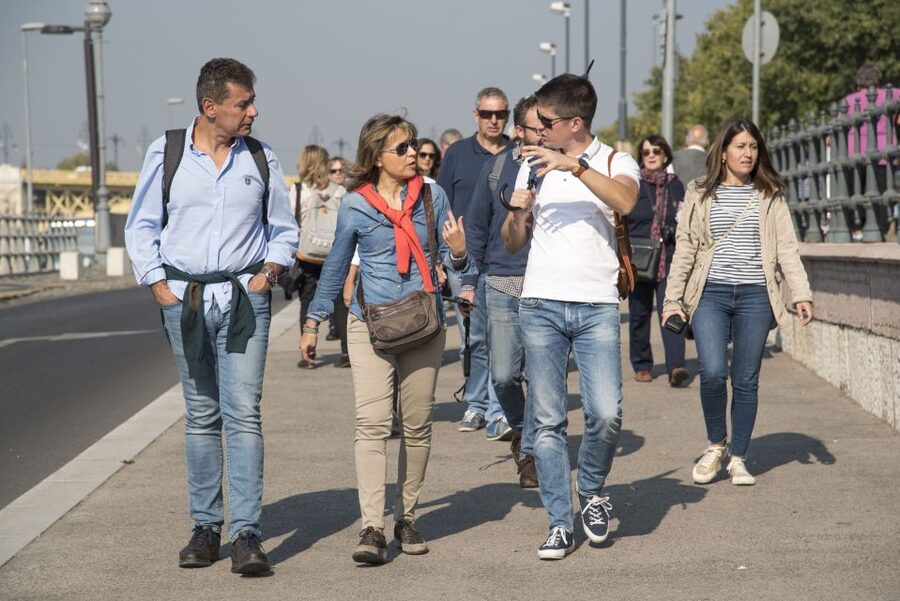
You should expect a group walk rather than a private tour. One recent comment praised the guide for keeping an eye on the group, which is useful around busy streets and large public spaces. Still, stay alert and keep close to the guide, especially when the group pauses for photographs.
More walking tours:
- Budapest: Buda Castle Walk with Saint Stephen’s Hall
★ 4.5 · 3,012 reviews - Big Bus Budapest Hop-On Hop-Off Bus and Walking Tour
★ 3.5 · 2,206 reviews - Budapest: Buda Castle District Walking Tour
★ 4.6 · 2,108 reviews
Starting at Molnár’s Kürtőskalács
The meeting point is Molnár’s Kürtőskalács, a practical location for a tour that begins in central Pest. Kürtőskalács is the Hungarian chimney cake, a rolled pastry baked around a cylinder and coated with sugar or other toppings. Meeting near a food shop gives you an easy landmark, and it offers a chance to pick up a local treat before or after the walk.
Arrive with enough time to identify the guide and settle in. The supplied information does not specify the exact group size or a detailed starting schedule, so you need to check the available departure times when booking.
The guide leads in English. That is useful for visitors who want historical explanation rather than a simple route from one photo stop to the next. The best experience will depend partly on the guide assigned that day. Monica, Lina, and Lena have each received particularly warm praise for clear explanations, humor, patience, and helpful answers.
St. Stephen’s Basilica and Budapest’s Grand Scale
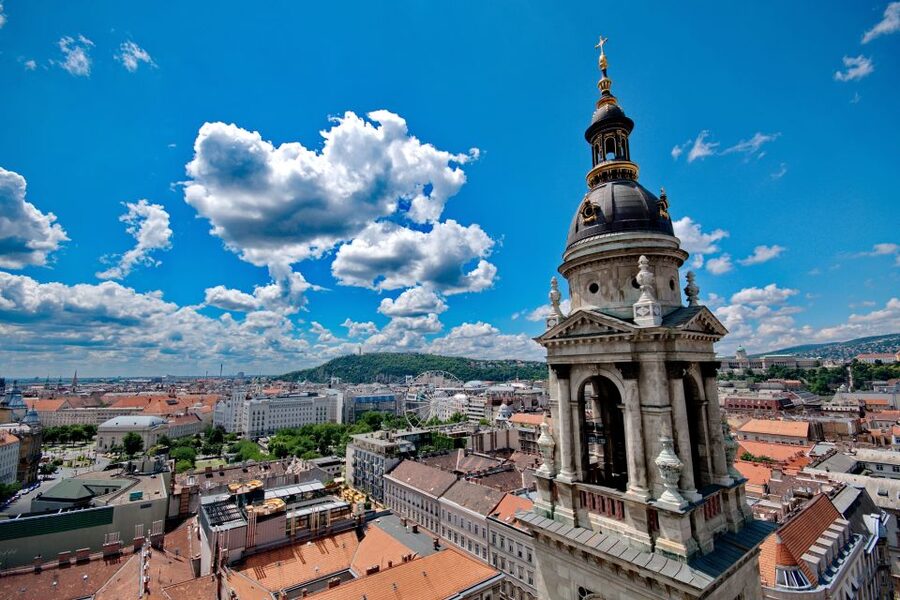
One of the first major sights is St. Stephen’s Basilica, Budapest’s largest cathedral. Even from outside, its size and formal design give you a quick lesson in the ambition of 19th-century Budapest.
This is a good early stop because the basilica helps set the tone for Pest. The city’s central districts are filled with large public buildings built to project confidence and importance. Your guide can explain the background, point out architectural details, and place the church within the wider story of the city.
Do not expect an included interior visit. Entrance fees are not part of the tour, and the experience is presented as a walking route through the main sights. If stepping inside the basilica is high on your list, treat this walk as an introduction and make a separate visit afterward.
The stop also gives you a useful orientation point. From here, you begin to understand how the central Pest streets lead toward the Danube and the government district. The guide can point out other parts of the city and suggest additional places to see later.
Chain Bridge and the Danube Bank
The route continues toward Chain Bridge, Budapest’s oldest suspension bridge. The bridge links Pest with Buda and has long served as one of the city’s best-known symbols.
The walk does not promise a full bridge crossing, so think of this part as a view and history stop rather than a bridge excursion. You can expect to walk past the bridge and along the Danube Bank, taking in the riverfront relationship between the two halves of Budapest.
This is one of the tour’s strongest visual sections. The river gives you breathing room after the tighter streets of central Pest, while the bridge provides an immediate sense of connection between the flat east side and the hillier west side.
The Danube Bank is also a place where a guide adds value. A photograph shows the water and bridges, but an explanation can help you understand why this riverfront matters to Budapest’s layout and identity. The guide may also help you decide where to return for more river views later in your trip.
Bring shoes suited to steady walking. The distance is manageable for most people who are comfortable walking for two hours, but there is little benefit in wearing delicate footwear on a route that includes streets, squares, and the riverfront.
A few more trips worth weighing up before you book
- Budapest: Parliament Building Entry Ticket and Audio Guide
★ 4.5 · 3,844 reviews - Budapest: Opera House Guided Tour
★ 4.6 · 1,533 reviews - Budapest Small-Group Guided Tour on MonsteRoller e-Scooter
★ 5.0 · 1,517 reviews - Budapest: Guided Tour of the Parliament Building in Spanish
★ 4.6 · 1,240 reviews
The House of Hungarian Art Nouveau
Another point of interest is the House of Hungarian Art Nouveau. This adds architectural variety to the route and takes you beyond the most obvious postcard views.
Art Nouveau is known for flowing lines, decorative details, and designs that often blur the boundary between architecture and applied art. Budapest has several fine examples, and seeing one during a guided walk helps you notice details that might otherwise pass quickly.
The importance of this stop is not just the building itself. It shows that Pest is not only about the basilica, river, and Parliament. The city’s character also appears in façades, ornament, entrances, and smaller streets. A good guide can explain what to look for without turning every building into a long lecture.
The tour is particularly useful here for first-time visitors. You do not need a specialist background in architecture. You simply need to pay attention to the details the guide points out and compare them with the grander buildings later on the route.
Parliament: A Powerful Exterior Stop

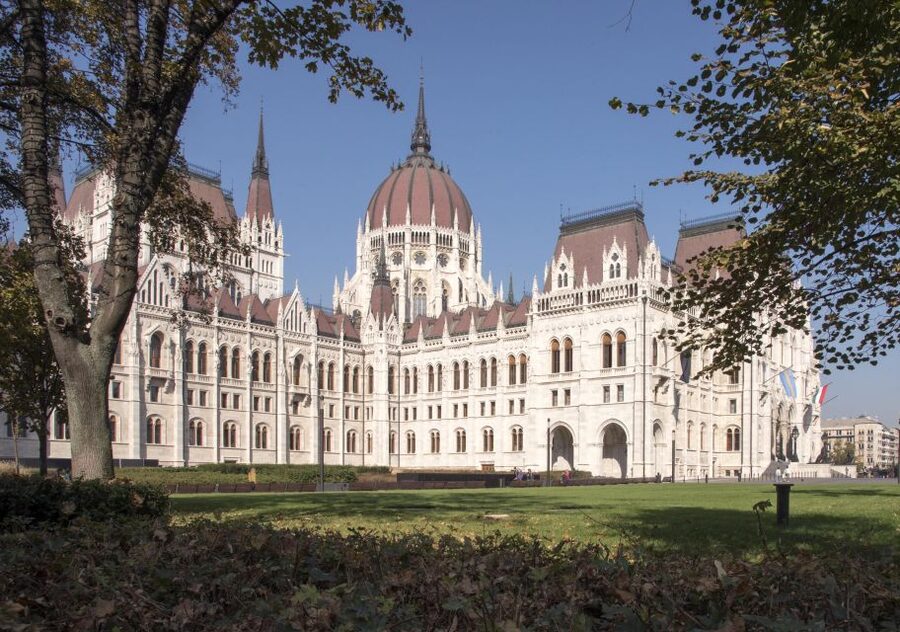
The Hungarian Parliament is one of the headline sights. It is described as the world’s third largest Parliament building, and its scale is difficult to grasp from a quick photograph.
The tour takes you to the Parliament area, but you should be clear about what that means. Entrance fees are not included, and the route is not advertised as an interior tour. One participant felt that the walk passed by Parliament and the Opera without getting close enough or providing enough specific information about them. That is the most useful warning in deciding if this experience suits you.
If you want a detailed architectural tour, interior access, or a long explanation of parliamentary history, book a dedicated Parliament visit instead. If you want to understand where the building is, see it as part of a wider Pest route, and get a guide’s introduction, this stop still earns its place.
The external view also fits the tour’s purpose. You are moving through the city rather than settling at one monument for an hour. That makes the experience efficient, but it also means each landmark receives limited time.
I would plan a return visit if Parliament is one of your top priorities. Use the walking tour to get oriented, take photographs, and learn what deserves more attention. Then visit the building separately if tickets and opening arrangements allow.
Liberty Square and the City Between Monuments
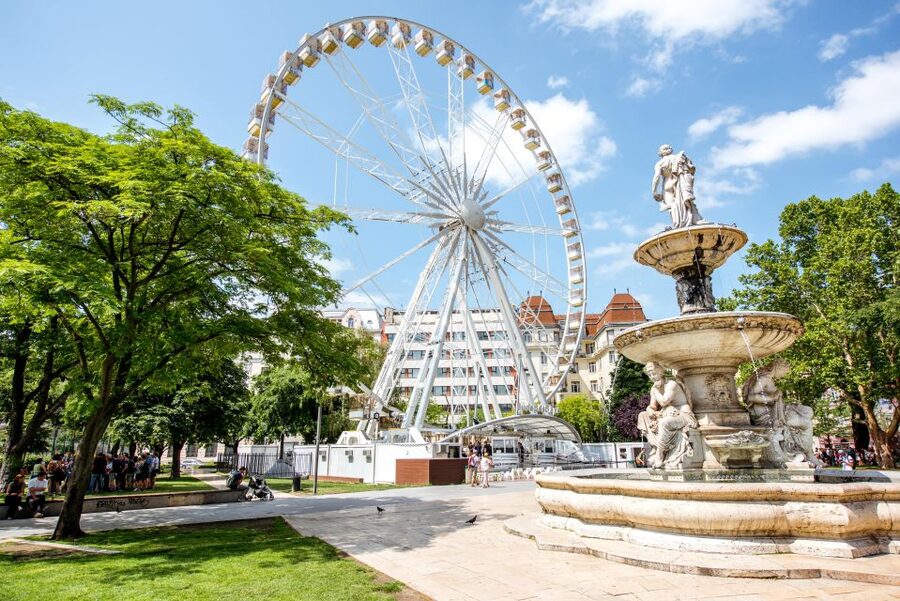
Liberty Square brings a different mood. The space connects Budapest’s political and architectural past with the daily life of the city.
A guide can help you read a square rather than simply cross it. You might notice how public buildings frame the space, how people use it, and how its monuments carry different layers of memory. The tour information promises background on the places visited, so this is one of the stops where explanation matters as much as appearance.
The route also includes a street market. That is a welcome change from monumental Budapest. Markets show you a more ordinary side of the city, even when the stop is brief. You can see the kinds of spaces locals use for food, shopping, and errands, rather than spending the entire walk among famous façades.
This combination is one reason I like the itinerary. It mixes the city’s big public buildings with smaller, more grounded details. You get a better feel for Pest than you would from a route made only of famous photo stops.
Still, a street market is not a guaranteed food tour or shopping session. The information does not promise tastings, purchases, or extended time there. Treat it as a short part of the walking route.
The Guides Make the Difference
The strongest praise is aimed at the people leading the walk. Monica has been described as full of historical facts and helpful recommendations for other sights and places to eat. Lena was praised for her passion, warmth, and ability to keep the tour engaging. Lina was noted for her kindness and willingness to answer questions.
Those details tell you what to expect from a good departure: a human explanation of Pest, room for questions, and practical suggestions for the rest of your stay. The guide is not only there to point at buildings. The best ones help you decide what deserves a return visit.
A humorous approach also seems to be part of the experience. One comment described the guide as balancing serious history with humor, which is ideal for a two-hour walk. Budapest has plenty of heavy subjects in its past, and a guide who can handle them clearly without making the whole tour gloomy is valuable.
Guide quality can vary from one departure to another, so keep your expectations sensible. The tour is delivered in English, and the overall rating of 4.3 from 69 ratings suggests a generally strong experience with some variation. The comments are heavily positive about the guides, while the main criticism concerns how briefly some major buildings are treated.
Is $16 Good Value?

At $16 per person, this is an inexpensive way to get a structured introduction to central Pest. You are paying for a professional guide, not for admission to attractions, transport, food, or hotel transfers.
The value is strongest if you want context. A self-guided walk costs nothing, but you must research the route, identify the buildings, and work out the connections yourself. Here, your money buys a planned path and live explanation in English.
The price is less attractive if you want extended access to the interiors of St. Stephen’s Basilica, Parliament, or other buildings. Since entrance fees are excluded, you may spend more afterward on separate visits. That is not a flaw in the price, but it is important to understand what you are buying.
I see this as a good first-day or first-morning activity. It can help you get your bearings fast, then point you toward sights you want to explore in more depth. It also leaves plenty of time in your schedule because the walk lasts only two hours.
Weather, Pace, and Practical Comfort
The walk operates rain or shine. That policy makes the activity dependable, but it puts the preparation on you.
Bring a rain jacket or umbrella if the forecast looks uncertain. In hot weather, carry water and protect yourself from the sun. In cold or windy conditions, the Danube Bank can feel especially exposed. One guide delivered a good tour despite terrible stormy wind, but that does not mean poor weather will be pleasant.
The pace should include time for photographs, since one highly positive account specifically praised the chance to stop at each location and take pictures. Even so, this is a city walk, not a seated sightseeing ride. You will get more from it if you are comfortable walking continuously for two hours.
The tour takes place outdoors, and hotel pickup and drop-off are not included. You need to reach Molnár’s Kürtőskalács on your own and return from the final stop independently. Keep that in mind when pairing the tour with a restaurant booking or another timed attraction.
Free cancellation is available up to 24 hours before the start, and you can reserve now while paying later. Those terms are useful if your Budapest plans may shift, but the key practical point remains simple: choose clothing and shoes for the forecast, not for the photographs you hope to take.
Who Should Book This Pest Walk?
I would recommend it to first-time visitors who want a clear introduction to central Pest without spending half a day in a museum or on a bus. It also suits anyone who enjoys architecture, city history, river views, and practical orientation.
Families with older children may find the two-hour length manageable, especially because the route includes varied sights rather than one long lecture. Couples and solo visitors can also use it as a framework for deciding where to return later.
You may want a different experience if your priority is interior access. The same applies if you want a highly detailed examination of Parliament, the Opera, or the basilica. The walk passes major buildings and explains them, but it does not replace dedicated admission tours.
It is also not the right choice for someone who dislikes outdoor activities in uncertain weather. The rain-or-shine policy is clear, and there is no hotel transfer to soften the logistics.
FAQ
How long does the Budapest Pest walking tour last?
The tour lasts two hours.
What language is the tour offered in?
The live tour guide speaks English.
Where does the tour meet?
The meeting point is Molnár’s Kürtőskalács.
Does the tour include hotel pickup and drop-off?
No. Hotel pickup and drop-off are not included.
Are entrance fees included?
No. Entrance fees are not included in the tour price.
Will the tour enter Parliament or St. Stephen’s Basilica?
The tour visits and explains major sights including St. Stephen’s Basilica and the Hungarian Parliament area, but the provided details do not include interior admission. Plan separate visits if you want to go inside.
What happens if it rains?
The tour operates rain or shine. Bring clothing suitable for the forecast.
Should You Book It?
Book this tour if you want an affordable, guided introduction to Pest, especially on your first day in Budapest. The best reasons are the $16 price, the well-praised guides, the mix of famous sights and less obvious streets, and the useful connection between the basilica, Danube, Chain Bridge, Parliament, and Liberty Square.
Skip it if you expect long stops inside the major buildings or detailed instruction at every landmark. For most visitors, though, the walk works well as a starting point. It gives you the city’s basic shape, adds human stories to the architecture, and leaves you with a sensible list of places to revisit on your own.
Just added around Budapest
- Lake Balaton and Herend Guided Tour★ 4.7 · 3 reviews
- Audio visual multi-sensory chefs journey dinner experience★ 5.0 · 3 reviews
- Hollókő Ethnographic Village: Day Tour from Budapest★ 3.7 · 3 reviews
- Tapolca Cave Lake and Tihany/ Balaton private tour from Budapest★ 4.5 · 3 reviews
- Budapest Art Nouveau Walking Tour★ 5.0 · 3 reviews
- SzentEndre-SaintAndrew City Privately Shopping and Picturesque★ 4.5 · 3 reviews
- Budapest Drinks and Piano Show Cruise★ 4.5 · 3 reviews
- Horseshow on the Hungarian Puszta, private tour from Budapest with entry!★ 5.0 · 3 reviews
Walking Tours, compared.

Big Bus Budapest Hop-On Hop-Off Bus and Walking Tour
What we thought →
Budapest City Landmarks Walking Tour in 2 Hours
What we thought →
3-Hour Orientation Walking Tour of Buda and Pest
What we thought →
Budapest Historical Sightseeing – Free Walking Tour
What we thought →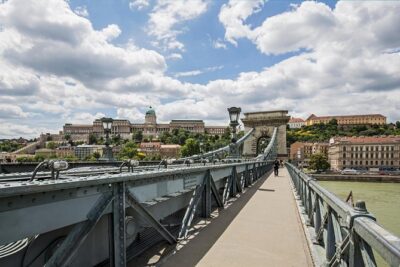
Budapest All in One Small Group Walking Tour with Strudel Stop
What we thought →Browse the lists this tour appears in