
Reviewed · WALKING TOURS
Budapest Grand Walk
Budapest rewards a good pair of shoes. I like the tour’s broad sweep, from Heroes Square and Andrassy Avenue to the Jewish Quarter and Danube promenade. I also like the personal touch: a Hungarian sparkling wine at the start, coffee along the way, and guides such as Aniko and Angela who bring local history to life. The main drawback is simple: four hours of steady walking can feel long, especially after a flight or on a hot afternoon.
This is a useful first-day tour because it helps you get your bearings fast. Aniko has been praised for explaining Hungarian history from the early kingdom through the present, including the difference between official accounts and the stories people still debate. You should know, though, that the tour mainly views major buildings from outside, and it can run beyond four hours if you are not in a hurry.
In This Review
- Budapest Grand Walk at a glance
- Starting with wine in the Palace district
- Walking through Pest’s grand center
- A short ride on Budapest’s oldest metro line
- Entering the former Jewish Quarter
- Coffee, cake, and the city’s human side
- Liberty Square and the political heart of Pest
- The Danube promenade and Shoes on the Danube
- What $125 buys you
- Who will enjoy this walk most
- Should you book the Budapest Grand Walk?
- FAQ
- How long is the Budapest Grand Walk?
- Where does the tour begin?
- Where does the tour end?
- Is food or drink included?
- How many people are in the group?
- Does the tour include entrance tickets to the main sights?
Budapest Grand Walk at a glance

- A four-hour route across Pest: Cover major sights and less obvious corners without spending the day inside museums.
- Sparkling wine begins the afternoon: Meet at Tasting Table Budapest in the Palace district for an aperitif before walking.
- Europe’s oldest metro line: Ride a short section of Budapest’s historic underground railway.
- History beyond the postcard: Hear about the 1956 Revolution, Jewish Budapest, Soviet influence, and daily life today.
- A strong small-group format: The shared tour usually has no more than eight people, with a smaller option available and private tours offered.
- A memorable finish by the Danube: End near Chain Bridge with views of Parliament and Buda Castle across the river.
Starting with wine in the Palace district
The tour begins at Tasting Table Budapest, a wine shop and cellar at Bródy Sándor utca 22. You start with a glass of Hungarian sparkling wine, which gives the afternoon a relaxed opening and lets you meet the guide before covering much ground.
This location also puts you in the Palace district, a part of Pest with grand buildings that have not all received the same care. That contrast is useful. Budapest is not just polished boulevards and imperial facades. Some buildings show age, repairs, and the marks of a difficult twentieth century.
The Hungarian National Radio Building is one early stop. Your guide explains its role during the 1956 Revolution, when Budapest became the scene of an uprising against Soviet control. The nearby National Museum adds another layer, linking the neighborhood to the country’s political and cultural life.
I like this beginning because it avoids launching straight into a list of monuments. You get a drink, a local introduction, and an early sense of how Budapest’s past still shapes its streets. The sparkling wine is included, as is one later coffee or another drink.
More walking tours:
- Budapest: Buda Castle Walk with Saint Stephen’s Hall
★ 4.5 · 3,012 reviews - Big Bus Budapest Hop-On Hop-Off Bus and Walking Tour
★ 3.5 · 2,206 reviews - Budapest: Buda Castle District Walking Tour
★ 4.6 · 2,108 reviews
Walking through Pest’s grand center
The route then moves through central Pest, where architecture does much of the talking. You pass the Hungarian State Opera House on Andrássy Avenue, a neo-Renaissance building designed by Miklós Ybl. Even if you do not enter, the exterior gives you a good look at the confident public style Budapest adopted during its period of major growth.
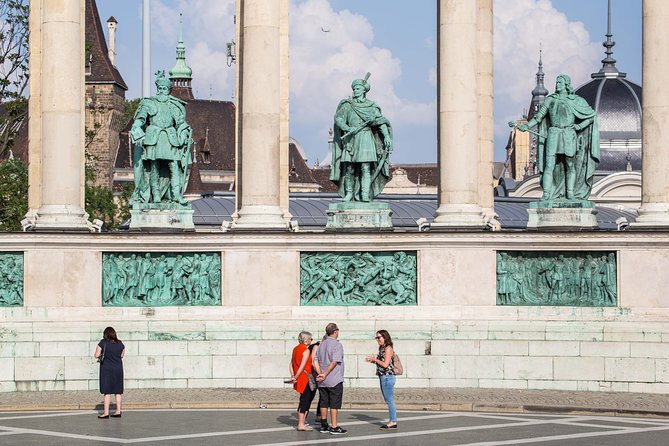
Andrássy Avenue leads toward Heroes Square, one of the city’s most recognizable open spaces. The monuments present important figures from Hungarian history, and your guide provides the background needed to make sense of the statues rather than treating the square as a quick photo stop.
You also visit St. Stephen’s Basilica, named for Stephen, Hungary’s first king. The church houses his mummified right hand, a detail that sounds unusual because it is. The stop lasts about 15 minutes, so think of it as an exterior and orientation visit rather than a long church tour.
The basilica area is a good place to pause and look up. Budapest can feel grand at street level, but the scale becomes clearer when you notice the domes, stonework, and long sight lines connecting one square to the next. The guide helps tie those buildings to the people and politics behind them.
A short ride on Budapest’s oldest metro line
One of the tour’s more practical pleasures is a ride on continental Europe’s oldest metro line. It is not simply transportation between stops. The ride shows you how Budapest’s historic center connects with the outer part of the route, and it adds a change of pace after several miles on foot.
The metro segment is brief, but it gives the tour a more local rhythm. You are not walking every block, and you get a small taste of how residents move around the city. Public transportation trips are included, so you do not need to handle a separate ticket for this part.
The timing matters. The tour begins in the mid-afternoon and packs in a large part of Pest before ending near the Danube. You should wear comfortable shoes and bring enough water for a sustained walk. The guide can let you finish on schedule if you need to be elsewhere, but the experience may stretch beyond four hours when the group has time for extra questions.
Entering the former Jewish Quarter
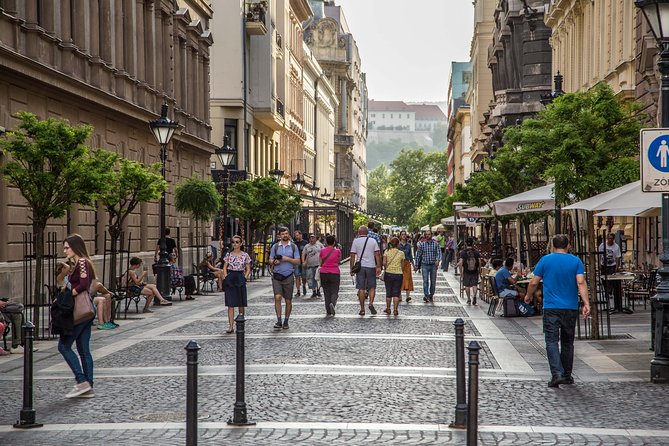
The former Jewish Quarter brings a different mood and a different set of stories. You see the Grand Synagogue, described as the largest in Europe, then pass Gozsdu udvar and Király utca.
Gozsdu udvar is a connected group of seven buildings and courtyards in the 7th district. Its passages now hold shops and restaurants, but the setting also helps you understand the area’s unusual layout. The neighborhood is easy to rush through, yet a guide can point out how its courtyards and streets developed over time.
The Grand Synagogue is a major sight, but this tour does not include a full interior visit. That is an important distinction if you want to study the building, museum, or memorial grounds in detail. In that case, plan a separate visit and check the opening arrangements for your dates.
I find this portion valuable because the Jewish Quarter is not just a place for nightlife and attractive facades. The tour places the district within Budapest’s Jewish past and the changes that came later. You see the area as a living neighborhood while also hearing about what it once meant to the city.
A completely different kind of day out around Budapest:
- Budapest: City Highlights Cruise with Welcome Drink
★ 4.6 · 35,610 reviews - Budapest: Unlimited Prosecco, Beer and Aperol Spritz Cruise
★ 4.8 · 25,310 reviews - Budapest: Széchenyi Spa Day Ticket with Optional Upgrades
★ 4.3 · 23,911 reviews - Budapest: Nighttime or Daytime Sightseeing Cruise
★ 4.2 · 21,062 reviews
Coffee, cake, and the city’s human side
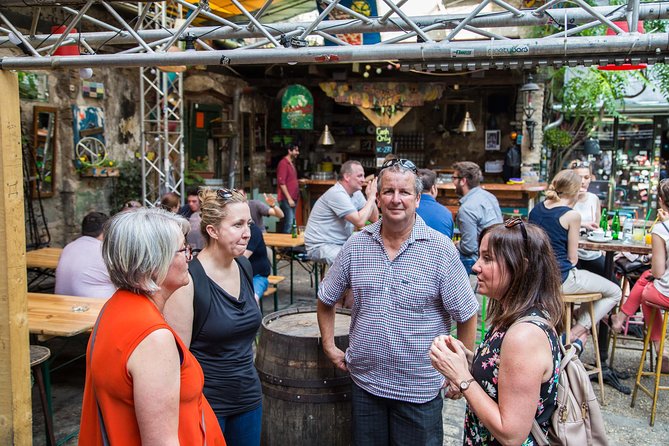
Partway through, you stop at a popular café for coffee or another drink. The included break is modest, but it helps. Four hours of walking needs a chair and a little fuel.
One account of the tour describes a guide arranging dessert and lemonade instead of coffee, and another guide, Aniko, is praised for going well beyond the planned time and even covering coffee and cake. Those details suggest some flexibility, but you should treat them as personal touches rather than guaranteed extras. The official inclusion is one coffee or drink.
This break also gives you a chance to ask questions that do not fit neatly into a monument stop. The tour covers kings, dictators, freedom fighters, writers, architects, and politicians, along with everyday life in modern Budapest. A strong guide can adjust the discussion to your interests, especially in a small group.
Aniko receives especially strong praise for precise dates and for explaining both accepted history and disputed interpretations. That is useful in Hungary, where memory of revolution, dictatorship, war, and foreign influence can be complicated. Angela is also described as friendly and highly informative.
Liberty Square and the political heart of Pest
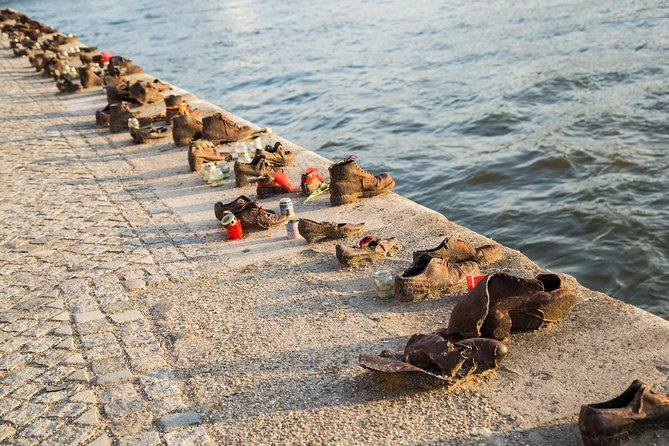
The route includes Liberty Square, a handsome public space lined with important buildings, including the former stock exchange. This is one of the places where the tour moves beyond the standard first-time checklist.
The square also contains monuments tied to the twentieth century, including a Soviet monument and a memorial connected with Ronald Reagan. You learn why Budapest has monuments to figures such as a United States major as well. These references can seem random when you encounter them alone. With context, they become clues to the political forces that shaped Hungary.
The Hungarian Academy of Sciences occupies an elegant neoclassical palace built in 1865. Its presence helps explain the role of scholarship and national culture in the city’s public life. Again, the value lies less in entering each building than in seeing how the buildings fit together and hearing the story behind them.
This section suits people who want more than pretty architecture. The guide turns streets and monuments into prompts for understanding Hungary’s modern identity.
The Danube promenade and Shoes on the Danube
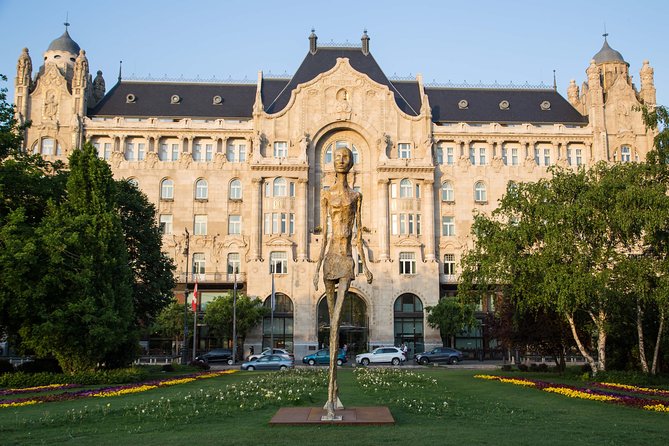
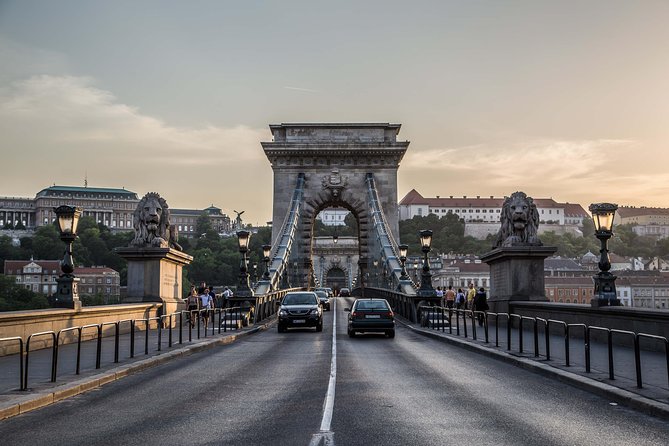
The final stretch brings you to the Danube bank, where the views open wide. From the Pest side, you can admire Parliament, Chain Bridge, and Buda Castle across the water.
The neo-Gothic Parliament building dominates the riverfront. Across the Danube, Buda Castle rises on the opposite side, while Chain Bridge links the two halves of the capital. Your guide explains why Budapest’s bridges matter not only for the skyline but also for ordinary movement through the city.
The Shoes on the Danube Memorial is the emotional center of the final walk. The iron shoes represent Jewish people murdered along the river during the Second World War. The memorial is simple and difficult to forget. It asks for a quiet pause rather than a quick photograph.
The tour ends near Chain Bridge on the Pest side. This is a useful finish because you can cross the bridge on your own and continue toward Buda Castle. The guide departs here, so any castle visit, hill climb, or evening plan after that is up to you.
What $125 buys you
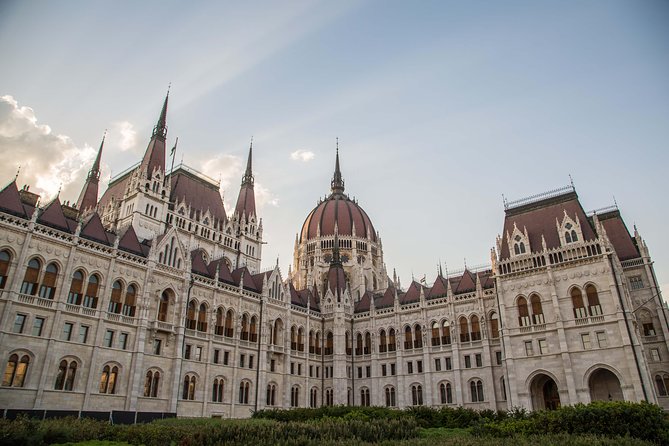
At $125 per person, the tour is not a cheap way to tick off Budapest sights. You are paying for about four hours with an English-speaking local guide, a carefully connected route, a sparkling wine, a coffee or drink, and several short public transportation rides.
The value depends on how much you want explained. If you only need directions to Parliament, the basilica, and Heroes Square, you can cover many of those areas independently for much less. If you want the story connecting the National Radio Building, Liberty Square, the Jewish Quarter, the metro, and the Danube memorial, the price becomes easier to justify.
There are no major attraction admissions listed as included. You should not expect a guided interior tour of Parliament, the Grand Synagogue, the Opera House, or Buda Castle. Think of this as a city orientation walk with historical interpretation, not an admissions package.
The small group improves the value. A shared group has between two and eight people, while a smaller option with six or fewer is available according to the tour choices. A private version can be customized for your group, including a preferred neighborhood or theme. The smaller the group, the easier it is to ask questions and request a little more time at a stop.
Who will enjoy this walk most
I would choose this tour for a first or second day in Budapest, especially if you want a broad introduction before deciding which places deserve a longer visit. It suits people who enjoy history, architecture, city walking, and conversations with a local guide.
It is also a smart choice after a long flight. One person used the tour on the first day after a 14-hour overnight flight, finding the steady activity helpful for staying awake and adjusting to the time difference. That approach can work, provided you are ready for four hours on your feet.
You should think twice if you dislike long walks, need a fixed ending time, or prefer to spend an entire afternoon inside one museum. The route covers a lot of ground, and the guide may continue beyond four hours when the group is engaged. Tell the guide at the beginning if you have a firm dinner reservation or another appointment.
The tour is offered in English. Most people can take part, but a moderate amount of walking is involved, so comfortable shoes are essential. The meeting point is near public transportation, and the short metro rides help break up the walking.
Should you book the Budapest Grand Walk?
I would book it if you want history, orientation, and a wide look at Pest in one afternoon. The strongest reasons are the small group, the range of neighborhoods, the included refreshments, and guides such as Aniko who can answer detailed questions rather than reciting a short script.
I would skip it if your main goal is entering major attractions or moving at a slow pace. You will see many important buildings from outside, and the price is high for a walk if you do not care about historical context.
For the best experience, book it early. It is commonly reserved about 34 days ahead, and the tour needs at least two people to run. The experience has a strict non-refundable cancellation policy, so confirm your schedule before paying. If the minimum is not met and the tour is canceled, you are offered another date or experience, or a full refund.
FAQ
How long is the Budapest Grand Walk?
The tour lasts about four hours. It can run longer if the group has time for extra questions and you are not in a rush.
Where does the tour begin?
You meet the guide at Tasting Table Budapest, Bródy Sándor utca 22, in the Palace district of Budapest.
Where does the tour end?
The walk ends near Chain Bridge on the Pest side of the Danube. You can cross the bridge afterward and continue exploring Buda Castle independently.
Is food or drink included?
Yes. You receive a glass of Hungarian sparkling wine at the start and one coffee or another drink during the tour. A specific dessert or cake is not listed as a standard inclusion.
How many people are in the group?
The shared tour has between two and eight people, with a maximum of eight. A smaller option with six or fewer and a private tour option are also available.
Does the tour include entrance tickets to the main sights?
No major entrance tickets are listed as included. The tour passes or stops near sights such as the Opera House, Grand Synagogue, St. Stephen’s Basilica, Parliament, and Buda Castle, but it is primarily an exterior walking and orientation tour.
Just added around Budapest
- Lake Balaton and Herend Guided Tour★ 4.7 · 3 reviews
- Audio visual multi-sensory chefs journey dinner experience★ 5.0 · 3 reviews
- Hollókő Ethnographic Village: Day Tour from Budapest★ 3.7 · 3 reviews
- Tapolca Cave Lake and Tihany/ Balaton private tour from Budapest★ 4.5 · 3 reviews
- Budapest Art Nouveau Walking Tour★ 5.0 · 3 reviews
- SzentEndre-SaintAndrew City Privately Shopping and Picturesque★ 4.5 · 3 reviews
- Budapest Drinks and Piano Show Cruise★ 4.5 · 3 reviews
- Horseshow on the Hungarian Puszta, private tour from Budapest with entry!★ 5.0 · 3 reviews
Walking Tours, compared.
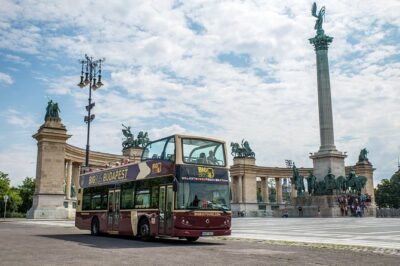
Big Bus Budapest Hop-On Hop-Off Bus and Walking Tour
What we thought →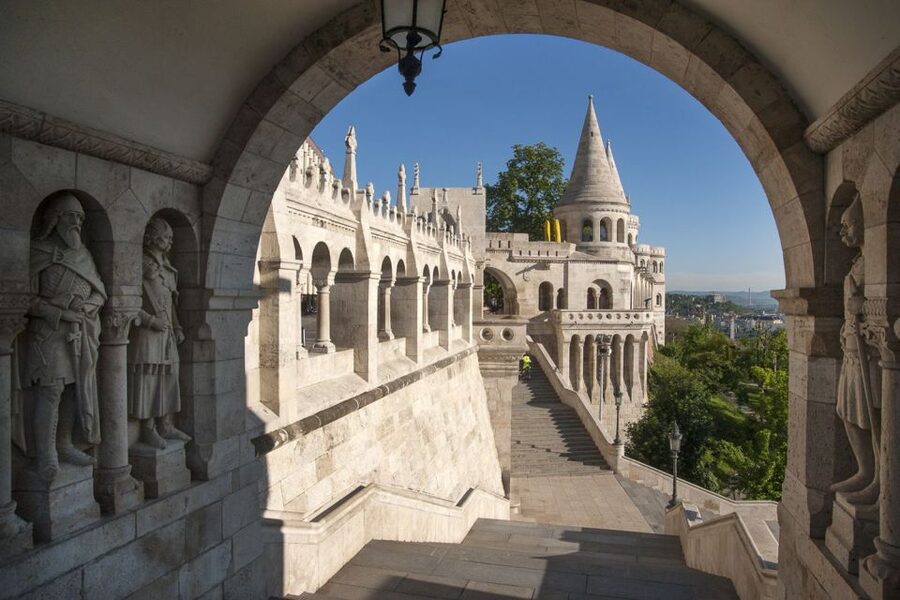
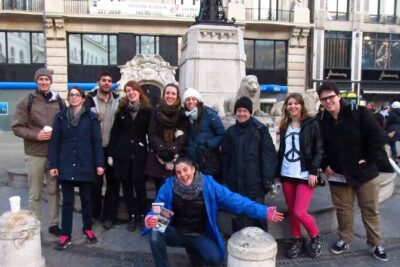
Budapest City Landmarks Walking Tour in 2 Hours
What we thought →
3-Hour Orientation Walking Tour of Buda and Pest
What we thought →
Budapest Historical Sightseeing – Free Walking Tour
What we thought →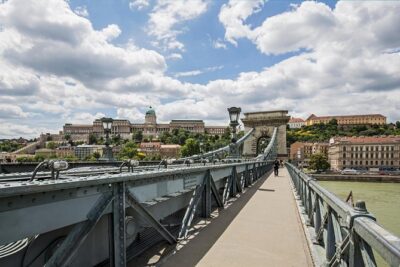
Budapest All in One Small Group Walking Tour with Strudel Stop
What we thought →Browse the lists this tour appears in