
Reviewed · WALKING TOURS
Budapest 3-Hour Walking Tour in Italian
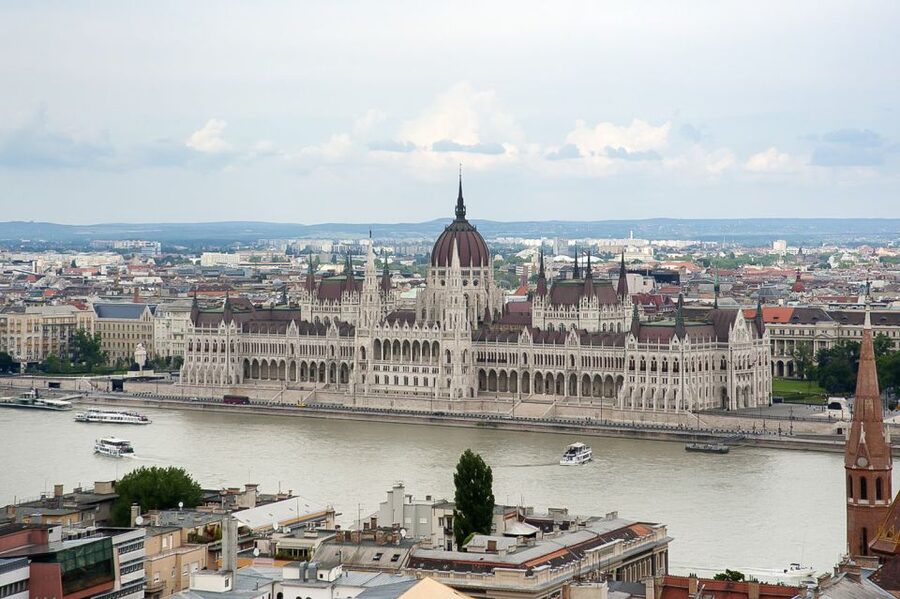
Budapest reveals itself on foot. This three-hour tour links the grand center of Pest with the castle heights of Buda, giving you a brisk introduction to the city’s monuments, political past, and best views. I especially like the Italian-speaking guide, which makes complicated Hungarian history easier to follow, and the chance to see both sides of the Danube in one outing. The main drawback is its pace: three hours is enough for an overview, but not for long visits inside every landmark.
I also like the mix of walking and public transport. You do not spend the whole afternoon marching between districts, yet you still experience Budapest as a city rather than a string of isolated photo stops. You should budget an extra 1,400 HUF per person for four public transport tickets, and wear proper walking shoes.
In This Review
- Key points at a glance
- Starting beside St. Stephen’s Basilica
- Pest introduces the city’s public face
- Crossing the Danube by public transport
- Buda Castle and the Royal Palace
- The President’s Palace and the Castle Quarter
- Matthias Church brings the medieval story into focus
- Fishermen’s Bastion supplies the big views
- The Italian guides are the main value
- Price, timing, and what you receive for $41
- Who should book this walking tour
- Should you book the Budapest Italian walking tour?
- FAQ
- How long does the Budapest walking tour last?
- What language is the tour conducted in?
- Which Budapest sights are included?
- Is public transport included in the price?
- Where is the meeting point?
- What should I wear or bring?
Key points at a glance
- Two historic districts in three hours: The route covers central Pest and the Buda Castle area, separated by the Danube.
- Italian explanations throughout: Guides such as Caterina, Katalin, and Elisabetta have been praised for clear Italian, kindness, and detailed historical commentary.
- A strong landmark lineup: You see St. Stephen’s Basilica, the Royal Palace, the President’s Palace, Matthias Church, and Fishermen’s Bastion.
- Public transport is part of the plan: Four tickets per person cost an additional 1,400 HUF and help connect Pest with Buda.
- Good for a first visit: The tour gives you a useful map of Budapest’s oldest areas and a broad account of roughly 1,100 years of Hungarian history.
- Private and small-group choices: These options may suit you if you want more time for questions or a less hurried explanation.
Starting beside St. Stephen’s Basilica
The meeting point is next to St. Stephen’s Basilica, in front of the California Coffee Company. This is a practical start because the basilica is one of central Budapest’s most recognizable buildings, so you have a clear landmark rather than an obscure street corner.
St. Stephen’s Basilica is an excellent first stop. Its scale and Gothic Revival design give you an immediate sense of Budapest’s grand public architecture. The tour focuses on seeing the basilica and understanding its place in the city, rather than promising a long interior visit, so you should think of this as an orientation stop.
The opening section in Pest helps you get your bearings before the tour crosses the river. Your guide can put the city’s buildings into a larger story, from the formation of the Hungarian kingdom to more recent democratic changes. That broad time span is one reason this tour works well early in your stay. You begin learning the names and roles of the major landmarks before exploring Budapest on your own.
More walking tours:
- Budapest: Buda Castle Walk with Saint Stephen’s Hall
★ 4.5 · 3,012 reviews - Big Bus Budapest Hop-On Hop-Off Bus and Walking Tour
★ 3.5 · 2,206 reviews - Budapest: Buda Castle District Walking Tour
★ 4.6 · 2,108 reviews
Pest introduces the city’s public face
The Pest portion takes place in one of Budapest’s oldest central areas. Here, the architectural focus is grand and civic, with St. Stephen’s Basilica forming the clearest highlight in the information provided for the route.
I like this part because it provides contrast with Buda. Pest is the side where you first see the capital’s formal center, while Buda later feels more defensive, elevated, and medieval in character. The tour uses these two districts to explain that Budapest is not one uniform historic quarter. It is a city shaped by two sides of the Danube and by very different periods of construction.
Your guide also answers questions along the way, which matters more than it may sound. Hungarian names, political changes, and royal titles can blur together if you only read a guidebook. An Italian explanation lets you pause and ask about the details that interest you, instead of simply collecting dates.
Keep your expectations realistic. This is a walking overview, not a museum tour. You may see several important sites in Pest, but the supplied details do not promise extended entry into each one. If you want a slow architectural study or a long interior visit, you will need extra time before or after the tour.
Crossing the Danube by public transport
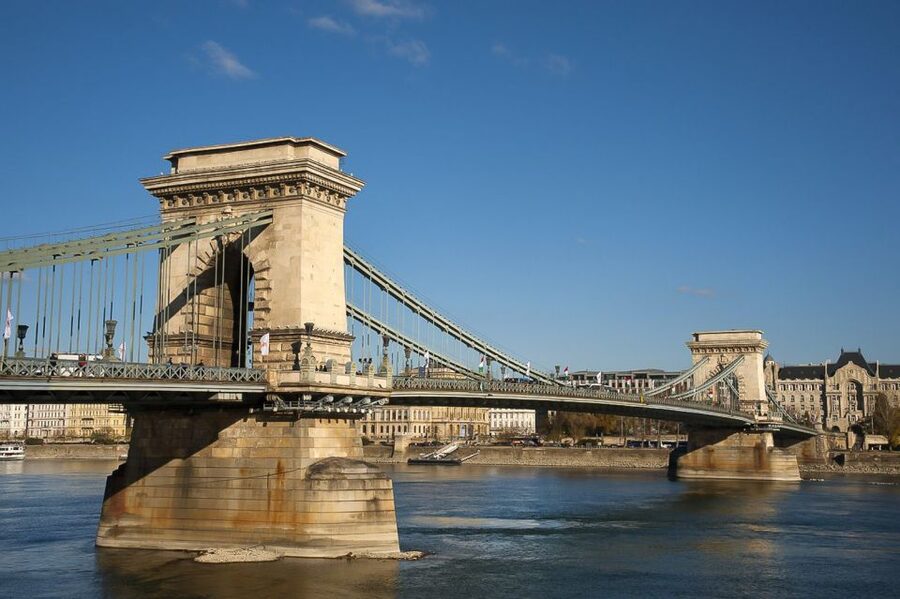
The group uses public transport to get from Pest to Buda. Four tickets per person are not included, and the stated cost is 1,400 HUF, so you should arrange that part of your budget before setting off.
This transport link is useful because it keeps the three-hour schedule practical. A fully walking route between all the listed sights would take more time and energy, leaving less room for explanation. Here, you walk through the central Pest area, cross the Danube by public transport, then continue on foot in the Castle Quarter.
The transport section also gives the tour a more ordinary Budapest feel. You are not sealed inside a private vehicle, and the route includes a small piece of local city life between the major monuments. Just remember that the ticket cost is separate from the $41 tour price.
Because the itinerary moves between districts, comfortable shoes are important. The tour is mainly on foot, and the Buda section includes the castle area and its historic streets. The information does not specify the exact route, stair count, or walking distance, so anyone with mobility concerns should ask the operator before booking.
Buda Castle and the Royal Palace
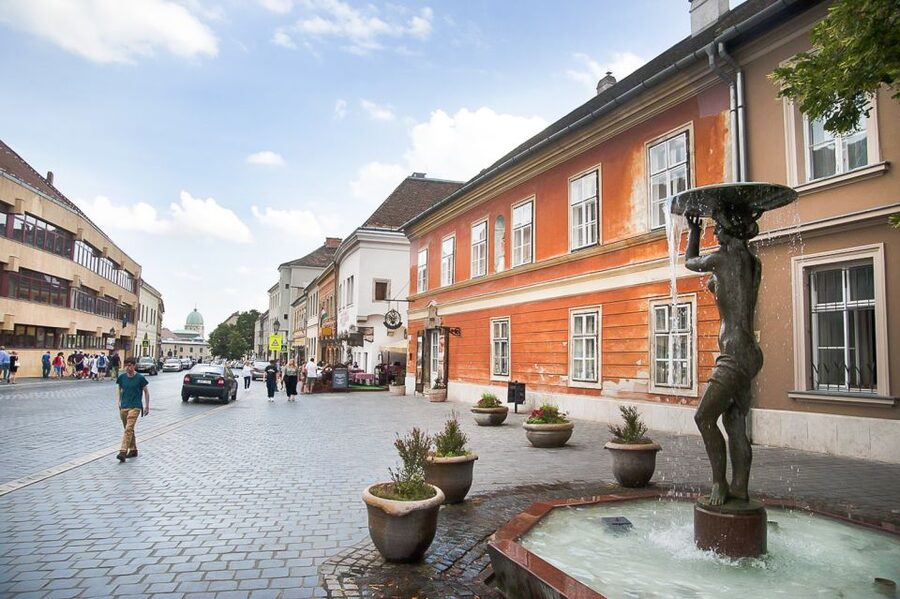
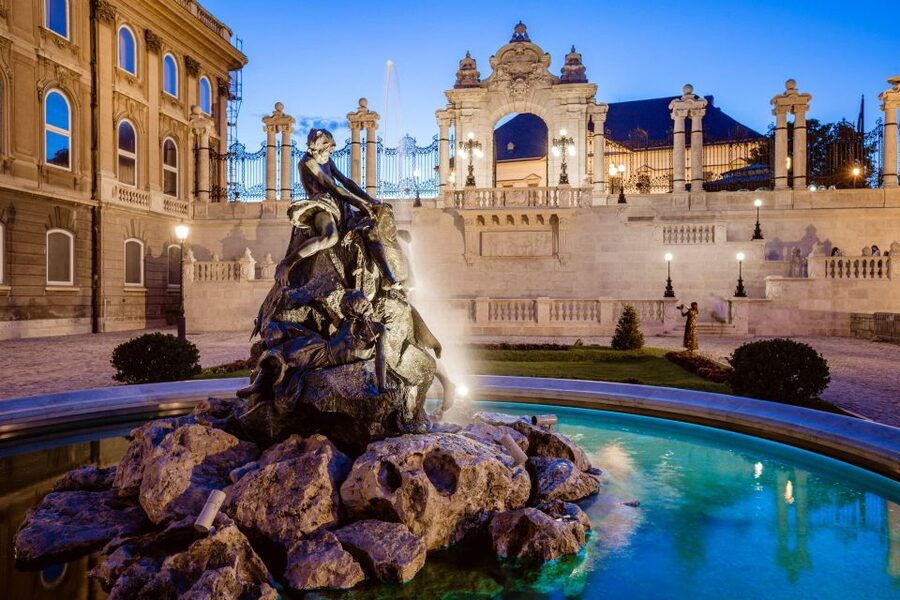
The Buda section shifts the mood. The fortified Buda Castle area tells a story of defense, royalty, destruction, and rebuilding. You visit or view the Royal Palace and the wider Castle Quarter, where the city’s past feels more concentrated than it does in the central Pest streets.
The Royal Palace is important because it connects Budapest to the Hungarian monarchy. Your guide’s job here is not simply to point at a large building, but to explain why this hill mattered and how power was organized around it. The tour’s account reaches from the conquest of the country through major political changes and into modern democracy, giving the palace context instead of treating it as a pretty backdrop.
The fortified setting is also a useful reminder that Budapest was not built only for ceremony. Castles and defensive walls reflect periods when control of the city was uncertain. The tour description highlights a turbulent 1,100 years, and Buda Castle is where that idea becomes easiest to picture.
I would not book this experience expecting a full palace interior visit. The listed highlights emphasize the fortified area, the Royal Palace, and the surrounding sights. If you want to spend hours inside collections or exhibitions, plan a separate visit. The value here is the guided connection between buildings, geography, and history.
A few more trips worth weighing up before you book
- 3-Hour Orientation Walking Tour of Buda and Pest
★ 4.8 · 1,834 reviews - Budapest: 3-Hour Grand City Tour and Castle Walk
★ 4.3 · 1,437 reviews - Budapest: 3-Hour Live Guided Sightseeing Tour
★ 4.4 · 1,041 reviews - 3 Hours Budapest Segway Grand City Tour Buda, Margaret and Pest
★ 5.0 · 255 reviews
The President’s Palace and the Castle Quarter
The President’s Palace adds a modern political note to the castle district. Its presence helps connect Hungary’s royal past with its current state structure, which is useful if you want more than a medieval sightseeing walk.
The Castle Quarter itself is one of the strongest parts of the route for atmosphere and visual variety. You get historic streets, major religious architecture, royal associations, and viewpoints within the same district. A guide can explain how these pieces fit together, while you focus on the changing views and buildings around you.
This is where a small group or private format can be worth considering. The standard price is $41 per person, but a private option may give you more control over questions and pauses. One Italian-language review specifically recommended the private version for people with a short stay who want to get the most from the explanations. That advice makes sense if history is a major reason for booking.
A larger group may still work well for a first look, especially if the guide projects clearly and keeps the route moving. But the Castle Quarter is the point where you may want to linger. Ask at the start how much time is planned for questions and photographs, particularly if you have limited days in Budapest.
Matthias Church brings the medieval story into focus
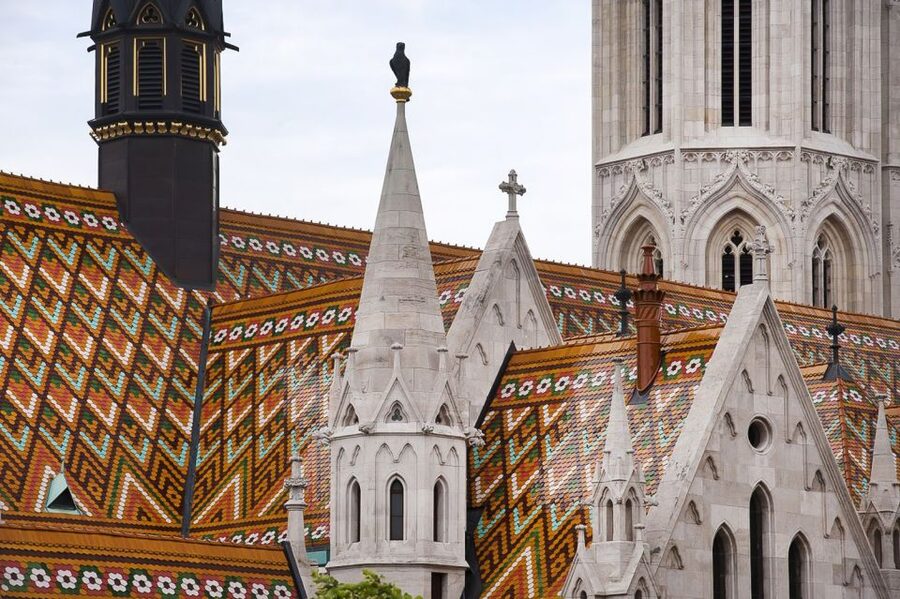
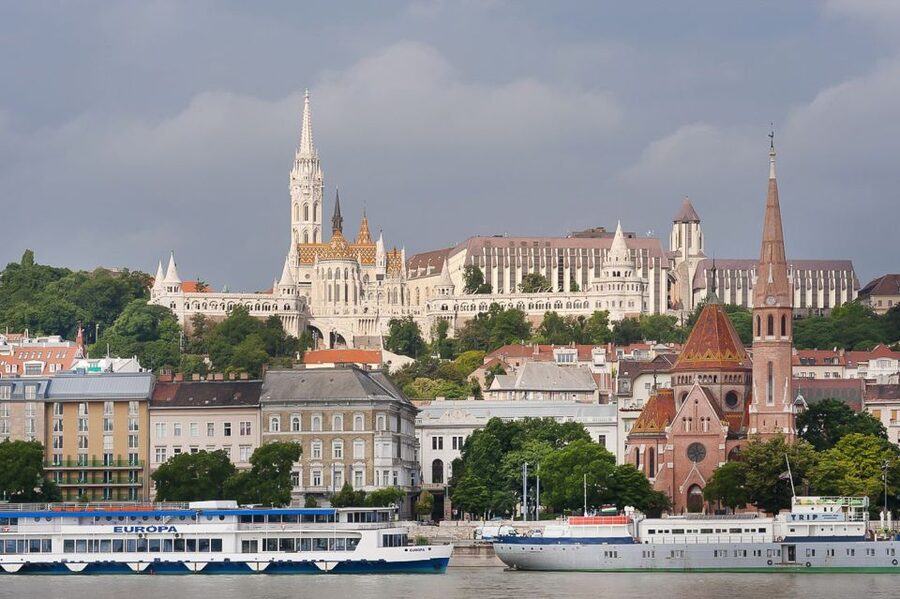
Matthias Church is one of the tour’s central visual highlights. Its Gothic character gives you a strong contrast with the grand basilica in Pest and helps explain why the Buda Castle area feels so different.
The church is also tied to Hungary’s royal story, making it a natural place for your guide to discuss rulers, religious life, and the changing fortunes of the city. You should expect an exterior-focused guided visit unless your selected departure explicitly confirms interior admission. The supplied activity details do not list an entrance ticket, so do not assume that admission is included.
I like the way this stop anchors the historical explanation in one building. Dates and dynasties can become dry, but a Gothic church gives the story a physical center. You can look at the architecture while your guide explains what made the site important.
The walking surface and pace matter here. Historic districts are not designed like modern shopping streets, and the route may feel tiring if you arrive in thin shoes or try to carry too much. The operator specifically asks you to bring comfortable shoes, and that is sound advice.
Fishermen’s Bastion supplies the big views
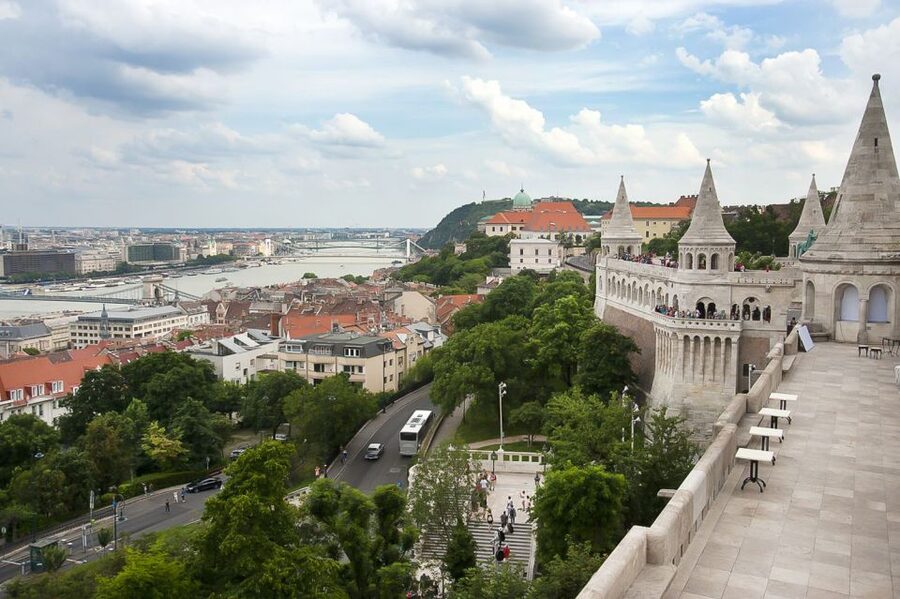
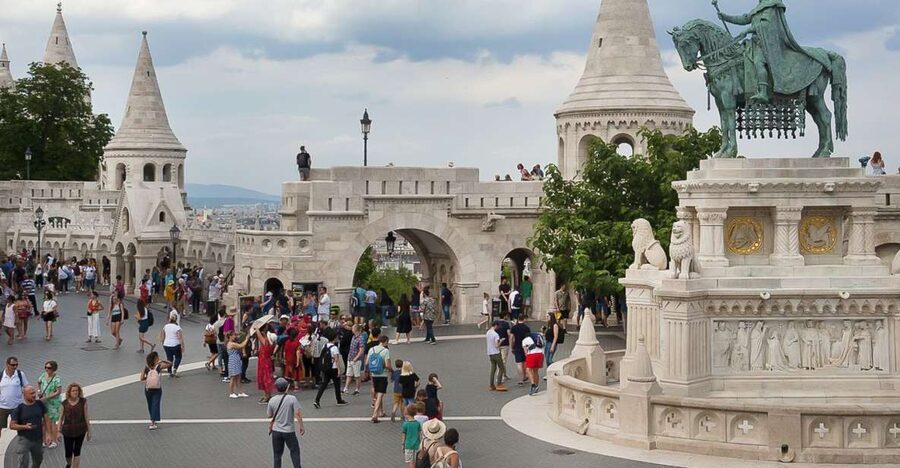
Fishermen’s Bastion is the natural visual finish to the Buda portion. Its elevated position offers some of Budapest’s most striking views, including the city spread across both sides of the Danube. The tour description specifically highlights the most beautiful views in the city, and this is the stop most closely linked to that promise.
This is also a good place to understand Budapest’s shape. From above, the separation between Buda and Pest makes immediate sense. You can see why the river mattered for defense, trade, government, and the city’s later development.
The bastion is a photogenic stop, but the tour is not only about photographs. Your Italian-speaking guide can explain how the site relates to the Castle Quarter and the wider national story. That extra context is what separates a guided introduction from simply walking up, taking pictures, and leaving.
You may want to return independently if the views capture your attention. Three hours does not leave unlimited time at every stop, and Fishermen’s Bastion rewards a slower visit. The tour gives you the orientation; a later return lets you enjoy the setting at your own pace.
The Italian guides are the main value
The strongest praise has focused on the guides’ warmth, preparation, and Italian. Caterina has been described as helpful, kind, and especially detailed. Katalin has been praised for being welcoming and well prepared during a three-hour walk through both Buda and Pest. Elisabetta received high marks for her very good Italian and the large amount of information she shared.
Those names are useful, but guide assignments can change. I would treat them as examples of the standard you might receive, not a promise that one particular person will lead your departure.
The human side of the tour matters here because the subject is broad. Hungary’s story includes conquest, monarchy, upheaval, and democratic change. A good guide can decide which details help you understand the city and which dates would only fill your head with clutter.
The Italian language is especially valuable if you prefer discussing history in Italian rather than translating as you go. You can ask direct questions, catch small explanations, and follow the links between the monuments. The reported tone is friendly and personal, with one description comparing the guide to a dear friend. That suggests a relaxed style rather than a stiff lecture, although the exact experience depends on the guide and group.
Price, timing, and what you receive for $41
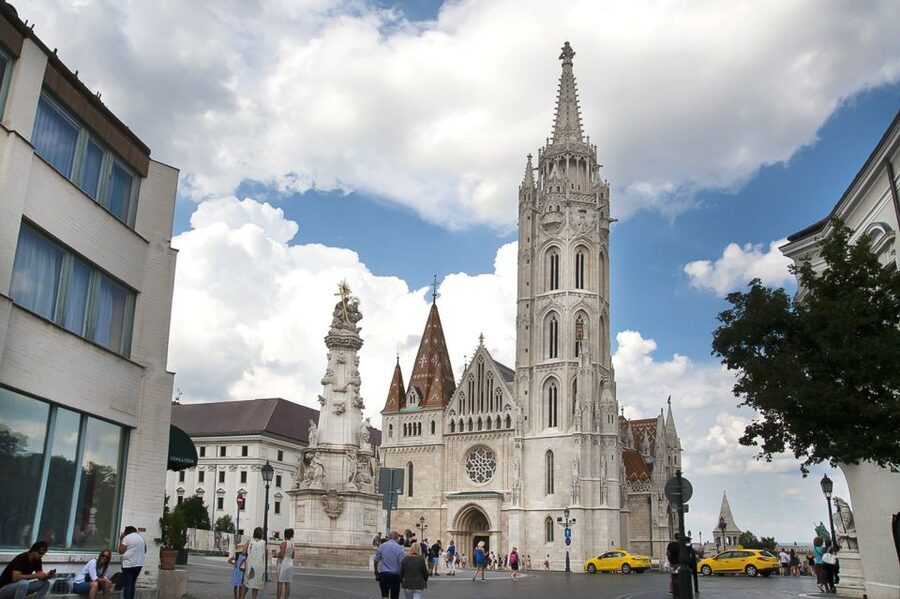
At $41 per person, the tour is priced as a guided introduction rather than a full-day historical program. You receive three hours with an Italian-speaking guide, a route through central Pest and Buda Castle, and transport between the two sides. Public transport tickets cost an additional 1,400 HUF per person for four tickets.
I think the price is reasonable if you have only a short stay or want help making sense of Budapest on your first day. The tour covers a lot of ground and brings together sites that would otherwise require separate planning. You are paying mainly for the guide’s language skills, route design, and historical explanation.
The value is less clear if you prefer to move slowly, enter every monument, or spend a long time taking photographs. The tour’s schedule must keep moving to cover both districts in three hours. In that case, a private format may justify the extra cost if it gives you more time to ask questions and shape the pace.
The activity allows private or small-group bookings, so check the exact option before paying. The overall rating is 4.6 from 217 reviews, which supports the view that the experience is generally dependable, while still leaving room for normal differences in guide style and group size.
Who should book this walking tour
I would recommend this experience for:
- Italian-speaking visitors who want history explained clearly in their own language
- First-time visitors who need a quick map of Budapest
- People with a short stay who want to see both Pest and Buda in one morning or afternoon
- Couples, families, and mixed-age groups looking for a shared introduction
- Anyone who prefers monuments, city views, and local explanation over a museum-heavy schedule
I would be more cautious if you dislike walking, want guaranteed interior access to every landmark, or prefer to explore one district at a very slow pace. The route is mainly on foot, and the exact starting times vary, so check availability and choose a departure that fits your energy and plans.
The clothing rules also deserve attention. Shorts and sleeveless shirts are not allowed, so dress with those restrictions in mind. Comfortable shoes are essential, and you should allow for the separate public transport cost.
Should you book the Budapest Italian walking tour?
Book it if you want a clear, friendly introduction to Budapest in Italian and you value seeing both sides of the Danube in one compact outing. The combination of St. Stephen’s Basilica, Buda Castle, Matthias Church, and Fishermen’s Bastion gives you the city’s major visual themes without requiring a full day.
Choose a private or small-group version if you have limited time and care about detailed explanations. If your budget is tight or you want long independent visits inside the monuments, use the tour as an orientation and keep the rest of your sightseeing self-guided.
For most Italian-speaking first-time visitors, the $41 cost is justified by the language support, the cross-city route, and the chance to ask questions while standing in the places that shaped Budapest.
FAQ
How long does the Budapest walking tour last?
The tour lasts three hours.
What language is the tour conducted in?
The tour is conducted in Italian with a live Italian-speaking guide.
Which Budapest sights are included?
The route includes St. Stephen’s Basilica, the Royal Palace, the President’s Palace, the Buda Castle area, Matthias Church, and Fishermen’s Bastion.
Is public transport included in the price?
No. You need four public transport tickets per person, costing 1,400 HUF.
Where is the meeting point?
Meet next to St. Stephen’s Basilica, in front of the California Coffee Company coffee shop.
What should I wear or bring?
Bring comfortable shoes. Shorts and sleeveless shirts are not allowed.
Just added around Budapest
- Lake Balaton and Herend Guided Tour★ 4.7 · 3 reviews
- Audio visual multi-sensory chefs journey dinner experience★ 5.0 · 3 reviews
- Hollókő Ethnographic Village: Day Tour from Budapest★ 3.7 · 3 reviews
- Tapolca Cave Lake and Tihany/ Balaton private tour from Budapest★ 4.5 · 3 reviews
- Budapest Art Nouveau Walking Tour★ 5.0 · 3 reviews
- SzentEndre-SaintAndrew City Privately Shopping and Picturesque★ 4.5 · 3 reviews
- Budapest Drinks and Piano Show Cruise★ 4.5 · 3 reviews
- Horseshow on the Hungarian Puszta, private tour from Budapest with entry!★ 5.0 · 3 reviews
Walking Tours, compared.
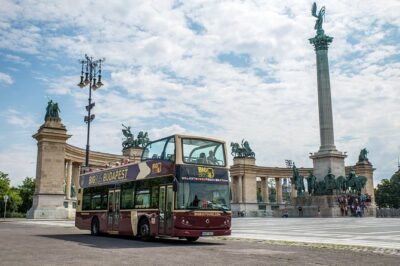
Big Bus Budapest Hop-On Hop-Off Bus and Walking Tour
What we thought →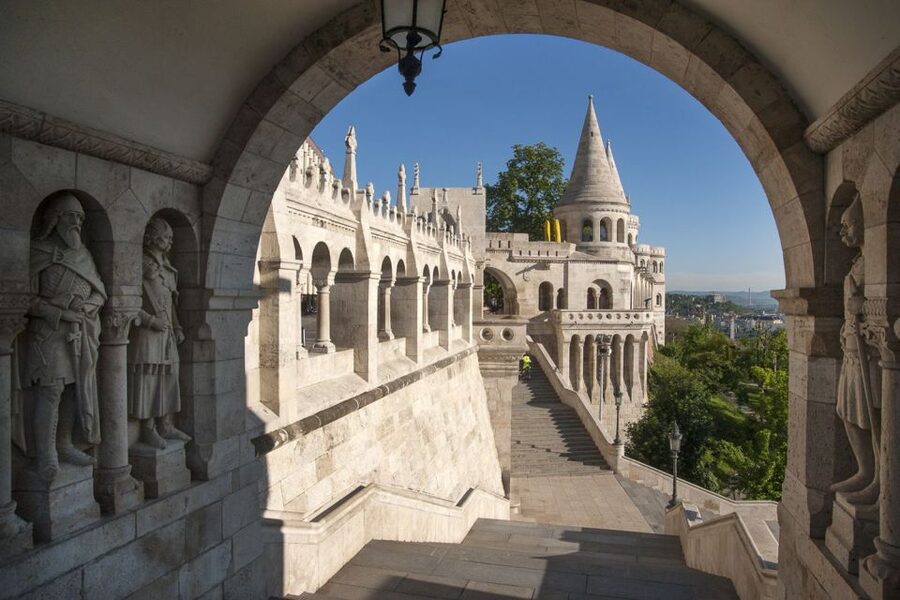
Budapest City Landmarks Walking Tour in 2 Hours
What we thought →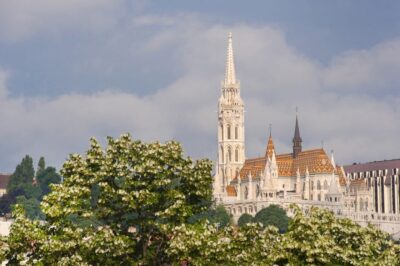
3-Hour Orientation Walking Tour of Buda and Pest
What we thought →
Budapest Historical Sightseeing – Free Walking Tour
What we thought →
Budapest All in One Small Group Walking Tour with Strudel Stop
What we thought →Browse the lists this tour appears in