Reviewed · TOURS
Tiny Sculptures, Big Stories: Kolodko mini statue tour
Small art can open big doors. This Budapest tour turns Mihail Kolodko’s bronze miniatures into clues for exploring the city’s folklore, neighborhoods, and past. I like the treasure-hunt feel and the way the route links tiny artworks with major sights such as the Danube and the Great Synagogue. I also like that guide ET uses public transport, with tickets included, so you can cover more ground than on a standard walking tour.
The main consideration is pace. You may walk quite a bit, cross busy streets, and use trams, the metro, or other public transport during the 2.5-hour experience. If cold weather, snow, or long stretches on foot are a problem, wear comfortable shoes and check the forecast before booking.
In This Review
- The tour in six useful points
- Why Kolodko’s tiny statues make a good tour theme
- Starting at the New York Café on the Pest side
- Finding the statues instead of marching between monuments
- Synagogue, Danube, and the city between the sights
- Using trams, metro, and other public transport
- What makes ET a strong guide for this experience
- How much time do you really need?
- Is $35 a fair price?
- Who should book this Budapest tour?
- Booking details worth knowing
- FAQ
- Where does the Kolodko mini statue tour start?
- Where does the tour finish?
- How long does the tour last?
- What language is the tour in?
- Are public transport tickets included?
- How many people can join?
- Can I cancel for a full refund?
- Should you book the Kolodko mini statue tour?
The tour in six useful points
- You search instead of simply following: ET often lets you spot a statue before explaining its story, making each stop feel like a small city puzzle.
- You see around 15 sculptures: The exact total depends on the group, route, and pace, but past outings have reached this number or more.
- The route crosses Budapest: Begin near the New York Café on the Pest side and finish at Szent Gellért tér in Buda.
- Public transport tickets are included: Trams, metro, and other city connections help link statues spread across different neighborhoods.
- Local folklore drives the tour: Each miniature reflects a legend, cultural reference, neighborhood, political idea, or piece of Budapest life.
- A small group keeps it personal: The maximum is 10 people, and ET has tailored routes for solo participants and families.
Why Kolodko’s tiny statues make a good tour theme
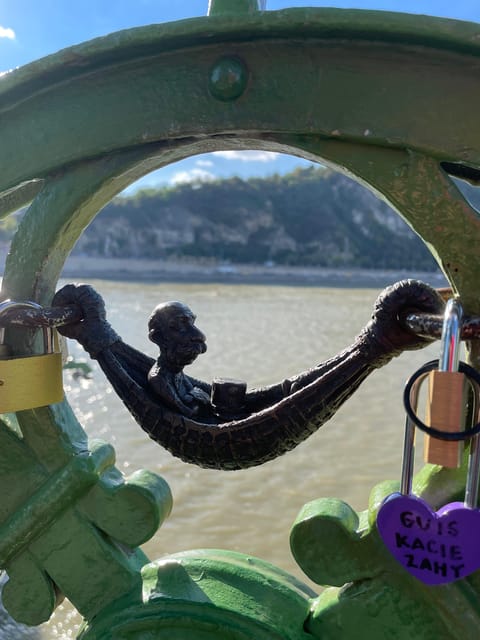
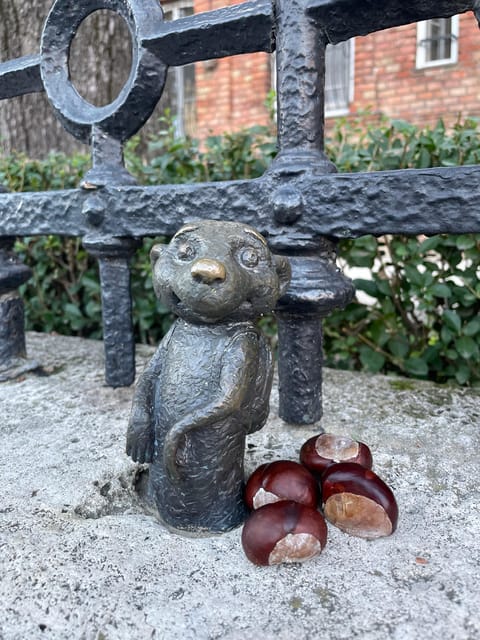
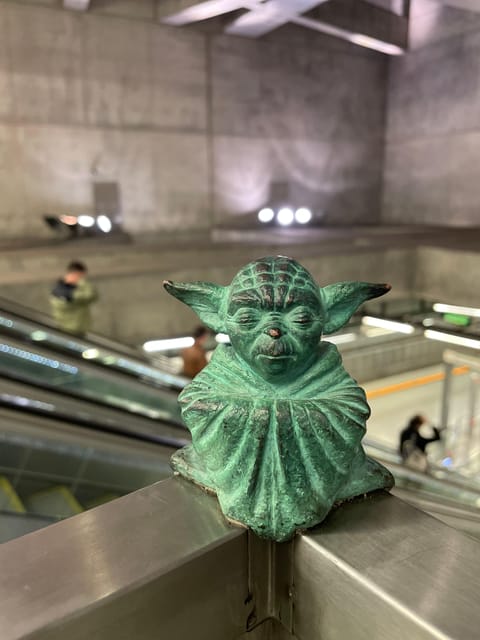
Mihail Kolodko is a Hungarian guerrilla street artist known for placing small bronze figures around Budapest. They are easy to miss. Some sit low beside a walkway, hide near a railing, or appear in a part of town you would pass without a second look.
That is the point. These sculptures reward attention rather than grand sightseeing. A large monument tells you where to look. A Kolodko figure asks you to notice the pavement, a corner, a bridge, or a wall.
The statues also carry more than visual charm. They may connect to Hungarian folklore, local humor, popular culture, politics, or a neighborhood’s past. The result is a tour that uses art as a doorway into Budapest. You are not only collecting miniature bronze figures. You are learning why a particular idea belongs in a particular place.
I especially like this format for a repeat visit to Budapest. If you have already seen the Parliament, Buda Castle, and the major churches, the tiny statues offer a fresh reason to explore familiar streets. They also give you a useful habit for the rest of your trip: look down, look around, and do not assume the city’s best stories are displayed at eye level.
Other Budapest days people book alongside this one:
- Budapest: City Highlights Cruise with Welcome Drink
★ 4.6 · 35,610 reviews - Budapest: Unlimited Prosecco, Beer and Aperol Spritz Cruise
★ 4.8 · 25,310 reviews - Budapest: Széchenyi Spa Day Ticket with Optional Upgrades
★ 4.3 · 23,911 reviews
Starting at the New York Café on the Pest side
The meeting point is in front of the entrance to the New York Café. This gives the tour a clear and central beginning on the Pest side, though the café itself is not the main subject of the experience.
From here, ET introduces the idea behind the tour and begins guiding you toward the first miniature. The opening section is less about ticking off famous landmarks and more about learning how to search. You may be asked to look for a small figure before receiving the explanation, which adds a playful edge to the first part of the walk.
That method matters. If ET simply pointed out every statue, you would photograph it and move on. By making you look first, he turns the city into a puzzle. The explanations then give meaning to what might otherwise be a curious but forgettable object.
The first part also helps you get oriented. Several people have found the experience useful early in a Budapest stay because it connects neighborhoods and public transport routes. You begin to understand how Pest fits together before crossing toward Buda later in the afternoon.
Finding the statues instead of marching between monuments
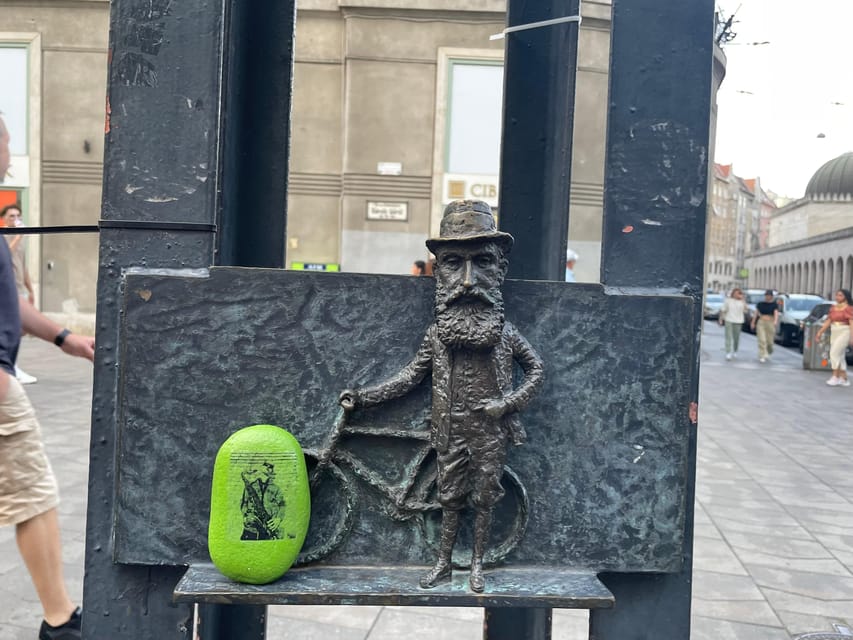
The central part of the tour is a moving search through Budapest. ET aims to show as many Kolodko statues as possible while adding local stories and city context between stops.
A typical outing can reveal around 15 miniatures, although the number is not fixed. A private or very small group may move faster, while a larger group may spend more time discussing each location. One participant saw around 15 statues, while another later found 25 more during the rest of a Budapest visit after receiving a map of additional locations.
That is an important benefit. You do not need to see every statue for the tour to work. The guide gives you the tools to continue on your own. Afterward, you may notice the figures throughout the city instead of treating the tour as a one-time activity.
ET’s style is a major part of the experience. He has been praised for being funny, energetic, welcoming, and easy to listen to. He also adjusts the route when possible. If you already visited a certain area, he can focus on places you have not seen. If you want to ask about pop culture, local life, politics, or street art, the small group makes that conversation practical.
Do not expect a formal lecture delivered at fixed stops. The route has some flexibility, especially when only one or two people book a date. That can make the outing feel more like exploring Budapest with a well-informed local friend. The tradeoff is that the exact route and number of statues can vary.
Synagogue, Danube, and the city between the sights
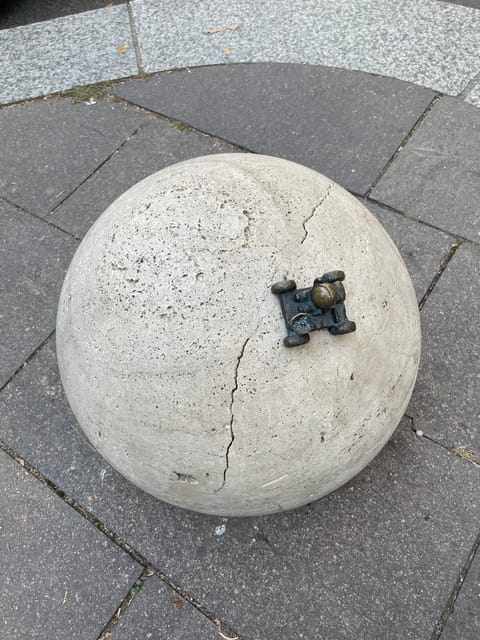
The listed highlights include the synagogue and the Danube, but this is not a standard synagogue or river sightseeing tour. These places work as parts of the wider route, providing setting and context for the small artworks.
The synagogue area gives you a chance to connect the statues with one of Pest’s most important urban districts. The Danube adds a different scale. Budapest is famous for its river views and grand buildings, yet a miniature sculpture can shift your focus from the broad panorama to one small local joke or reference.
I like that contrast. You might spend one moment looking across the river and the next crouching slightly to find a bronze figure near street level. The tour keeps moving between major city scenery and details you could easily miss.
The route finishes in Buda at Szent Gellért tér, a central location with straightforward access back into the city. Ending there gives the experience a clear sense of movement: start in Pest, cross the city, use public transport, and finish on the Buda side rather than simply returning to the starting point.
A completely different kind of day out around Budapest:
- Budapest: Nighttime or Daytime Sightseeing Cruise
★ 4.2 · 21,062 reviews - Budapest: 1-Hour Evening Sightseeing Cruise with Drink
★ 4.5 · 8,330 reviews - Budapest Danube Cruise and Dinner Options, Live Music and Dance
★ 4.5 · 7,428 reviews - Budapest: Historic Cruise with Welcome Drink
★ 4.7 · 6,512 reviews
Using trams, metro, and other public transport
Public transport is not an optional extra here. It is part of how the tour works. The miniatures are spread across Budapest, so walking the entire route would take too long. Trams, metro connections, and other city transport allow ET to connect separate areas within the available time.
The ticket cost is included, which removes one small hassle. ET handles the transport arrangements, so you do not have to stop and work out which ticket to buy while the group waits. That is useful in Budapest, where a short tour can involve several changes in mode or route.
The transport also adds a more ordinary side of city life. Instead of seeing Budapest only from a sightseeing bus or a fixed walking path, you move as residents do. You pass through different neighborhoods and get a sense of how the city connects.
Still, this is not a fully relaxed stroll. You need to keep up with the group, pay attention when crossing roads, and expect some standing or walking between connections. Comfortable shoes are not a minor suggestion. One Hungarian participant compared the activity to a treasure hunt and specifically advised wearing them.
What makes ET a strong guide for this experience
The guide can make or break a street-art tour, and ET receives especially strong praise for his storytelling and personal approach. His value is not limited to knowing where the statues are. He explains the ideas behind them and ties those details to Budapest’s neighborhoods, culture, and past.
His best habit is encouraging you to find each miniature yourself. When the group approaches a statue, he may point you toward the general area instead of revealing it at once. That keeps children interested and gives adults a reason to slow down.
ET also appears comfortable with a wide range of interests. You can ask about alternative culture, politics, local customs, street art, or everyday life. He has also guided people who wanted a less traditional look at Budapest after spending days on the major sights.
The small-group limit of 10 supports this style. On quiet dates, the tour may become nearly private, allowing ET to adjust the route around your interests and previous sightseeing. A full group will have less room for individual changes, but the limit should still keep the experience more conversational than a large city tour.
How much time do you really need?
The advertised duration is 2.5 hours, and that is enough time for a meaningful selection of statues, city stories, and public transport connections. One itinerary description also refers to a three-hour guided tour, so confirm the precise timing and start hour when you reserve.
Do not book this as a quick stop squeezed between two fixed appointments. The route depends on walking, finding small objects, and moving across the city. The experience is better when you can pause for a story or allow a little breathing room around transport.
Morning or afternoon availability depends on the date. The booking system displays the starting times, so check before building the rest of your day around it. The final stop at Szent Gellért tér makes it convenient to continue exploring Buda or return toward central Pest.
Is $35 a fair price?
At $35 per person, this is not the cheapest way to spend two and a half hours in Budapest. You could walk through several neighborhoods without paying for a guide, and the city’s public transport costs are modest compared with many European capitals.
But the price includes more than transportation. You are paying for route planning, statue locations, local stories, and the ability to ask questions as you go. Many of these miniatures are small or tucked away. Finding them alone is possible, but you would spend time locating them and then searching for the background behind each one.
The value is strongest if you enjoy street art, local folklore, urban details, and informal conversation. It is also good value for a first visit because the route helps you get your bearings across both sides of the city.
The value is weaker if you want a conventional tour of Budapest’s headline sights. You will see parts of the city and may pass important landmarks, but the main subject remains Kolodko’s work and the stories attached to it.
Who should book this Budapest tour?
I would choose this for curious adults, older children, couples, solo visitors, and anyone who prefers unusual city experiences over a standard checklist. The treasure-hunt format works well for families because children can search for the statues, while adults get the cultural and historical background.
It also suits repeat visitors. The route can show you corners of Budapest that you might not reach on your own, and the follow-up map can help you find more miniatures later.
You should think twice if you dislike walking, public transport, changing plans, or looking closely for small objects. The statues are deliberately miniature, and the experience depends on your willingness to slow down and pay attention.
Weather matters too. The tour has gone ahead in cold and snowy conditions, but winter clothing and good shoes will make a real difference. Budapest’s summers can also mean heat during the walking sections, so bring whatever you normally need for a few hours outdoors.
Booking details worth knowing
The meeting point is in front of the New York Café entrance. The tour is in English and has a maximum group size of 10 people.
Public transport tickets are included. The price does not include meals or other extras, although the playful description says it excludes negative energies. That is a fair warning to leave your bad mood at the café.
You can cancel up to 24 hours before the start for a full refund. The reserve-now, pay-later option also gives you some flexibility if your Budapest schedule is still changing.
FAQ
Where does the Kolodko mini statue tour start?
It starts in front of the entrance to the New York Café in Budapest.
Where does the tour finish?
The tour finishes at Szent Gellért tér on the Buda side.
How long does the tour last?
The advertised duration is 2.5 hours. The itinerary information also describes a three-hour guided tour, so check the exact duration when selecting a date.
What language is the tour in?
The live guided tour is conducted in English.
Are public transport tickets included?
Yes. Public transport tickets are included in the tour price.
How many people can join?
The small group has a maximum of 10 participants.
Can I cancel for a full refund?
Yes. You can cancel up to 24 hours in advance for a full refund.
Should you book the Kolodko mini statue tour?
Book it if you want Budapest to feel less like a list of monuments and more like a city full of clues. The strongest reasons are the playful search for the statues, ET’s warm storytelling, the flexible route, and the chance to see neighborhoods beyond the usual circuit.
At $35, I would call it a worthwhile specialty tour rather than a budget activity. You get the most from it if you wear comfortable shoes, allow the full time, and enjoy asking questions along the way.
Skip it if you want a fixed route focused on the Parliament, castle, churches, and major museums. Choose it if you want to notice the small bronze figures that turn ordinary streets into stories.
Just added around Budapest
- Lake Balaton and Herend Guided Tour★ 4.7 · 3 reviews
- Audio visual multi-sensory chefs journey dinner experience★ 5.0 · 3 reviews
- Hollókő Ethnographic Village: Day Tour from Budapest★ 3.7 · 3 reviews
- Tapolca Cave Lake and Tihany/ Balaton private tour from Budapest★ 4.5 · 3 reviews
- Budapest Art Nouveau Walking Tour★ 5.0 · 3 reviews
- SzentEndre-SaintAndrew City Privately Shopping and Picturesque★ 4.5 · 3 reviews
- Budapest Drinks and Piano Show Cruise★ 4.5 · 3 reviews
- Horseshow on the Hungarian Puszta, private tour from Budapest with entry!★ 5.0 · 3 reviews
Tours, compared.
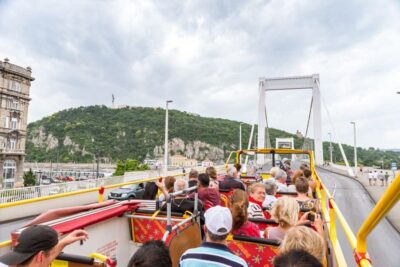
City Sightseeing Hop-On Hop-Off Bus Tour & Extras
What we thought →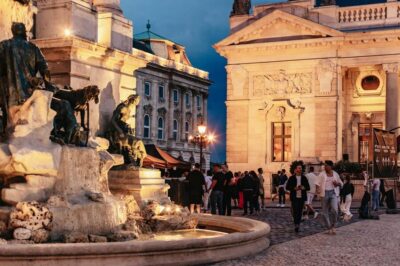
Buda Castle District Vampires and Myths Night Tour
What we thought →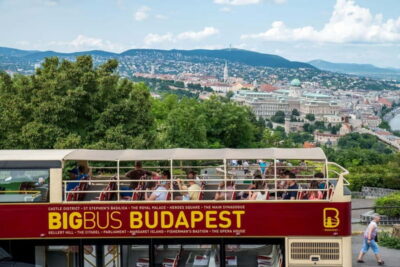
Big Bus Hop-On Hop-Off Tour & Danube River Cruise
What we thought →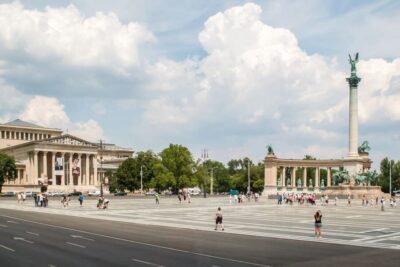
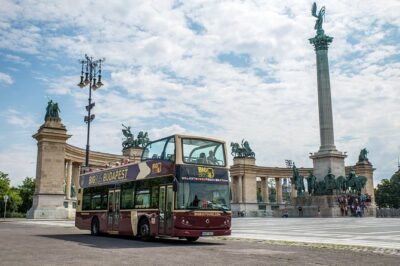
Big Bus Budapest Hop-On Hop-Off Bus and Walking Tour
What we thought →