
Reviewed · WINE TOURS
Hungarian Wine Tasting (with Cheese and Charcuterie) in Budapest
Wine can explain a country faster than a museum. This Budapest tasting pairs five Hungarian wines with local cheese, cured meats, bread, and mineral water in a vaulted 19th-century cellar. I especially like the focus on lesser-known Hungarian grape varieties and the way the sommelier connects each glass to its growing region. I also like that you can ask questions without needing a wine background.
The main caution is quantity. The food is high quality, but some people found the charcuterie portions a little light for the price. A few also felt rushed at the end when the next tasting group was due, so this is best approached as a guided introduction to Hungarian wine, not a long, leisurely dinner.
In This Review
- Key points to know before booking
- Arriving at the 3 p.m. cellar tasting
- Five Hungarian wines, not five familiar international labels
- The cheese and charcuterie board
- The story behind Hungary’s food and wine revival
- A relaxed pace, with one timing concern
- Is $50 a good value?
- Who will enjoy this most?
- Practical details that affect your plans
- Should you book the Hungarian wine tasting?
- FAQ
- Where does the Hungarian wine tasting take place?
- What time does the tasting start?
- How many wines are included?
- What food is included?
- Can vegetarians join?
- Is the tasting available in English, and how old must I be?
Key points to know before booking
- Five generous wine samples: You taste wines made from indigenous Hungarian grapes, including bottles that can be difficult to find outside the country.
- A proper cellar setting: The Tasting Table Cellar on Bródy Sándor utca has vaulted ceilings and a characterful atmosphere that suits the subject.
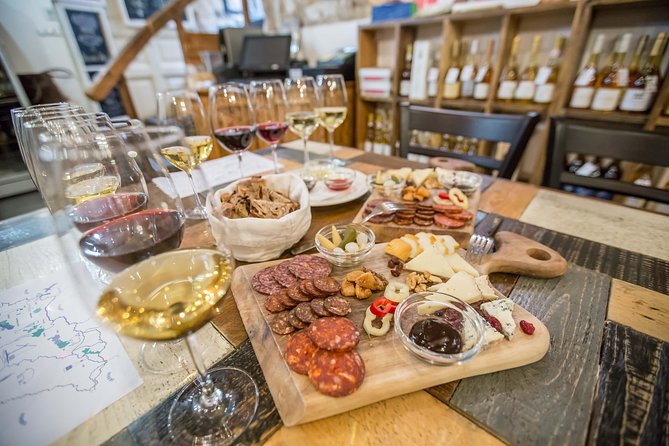
- Four cheeses and four cured meats: The board includes Hungarian specialties such as Mangalica pork sausage, smoked duck breast, beef sausage, and water buffalo salami.
- A sommelier-led lesson: You learn about Hungarian wine regions, grape varieties, soil, winemaking, and the changes brought by the end of the Communist era.
- A social afternoon activity: Communal tables make it easy to meet people from different countries, though you should not expect a private table.
- Strong overall feedback: The experience is rated 4.9 out of 5 from 531 ratings, with 97 percent recommending it.
Arriving at the 3 p.m. cellar tasting
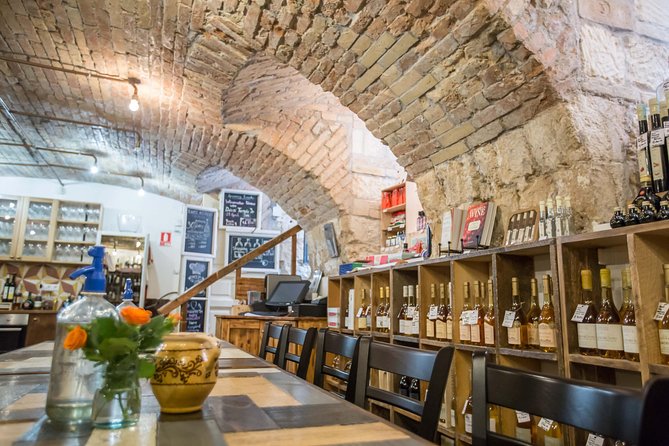
The experience begins at 3 p.m. at Tasting Table Cellar, operated by Taste Hungary at Bródy Sándor u. 9 in Budapest’s 1088 district. It is near public transportation, and the activity ends at the same address, which makes it easy to fit between sightseeing and dinner.
The room itself does a lot of the work. Rather than tasting in a bright modern bar, you sit beneath 19th-century vaulted ceilings in a wine cellar with a sense of place. That setting helps turn a standard afternoon tasting into something more connected to Budapest.
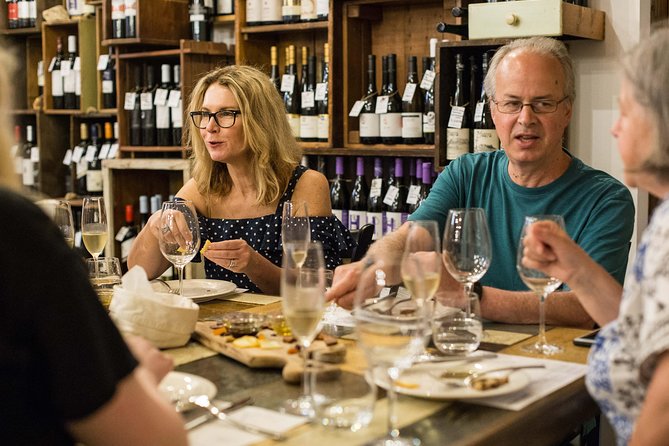
Seating is at communal tables. If you arrive alone, you will likely share the tasting with other people. That can be a plus if you enjoy conversation and meeting people from different countries. It is less ideal if you want a private, romantic setting or a quiet tasting with only your own group.
The group can include up to 24 people. That is large enough to create a friendly atmosphere, but small enough for the sommelier to address questions. The strongest feedback centers on the hosts, with names including Sam, Tomas, Tomasz, Thomas, Matthew, and Cleveland John. The exact guide may vary, but the consistent strength is clear: the host is expected to lead the room, explain the wines, and keep the tone relaxed.
More wine tastings:
- Countryside Half-day Gastro-Wine Tour from Budapest Meal & pickup
★ 5.0 · 1,450 reviews - Budapest Centre Food Tour with 10+ Tastings, Wine & Street Food
★ 5.0 · 810 reviews - Budapest: Wine, Cheese, and Charcuterie Tasting
★ 4.9 · 647 reviews
Five Hungarian wines, not five familiar international labels
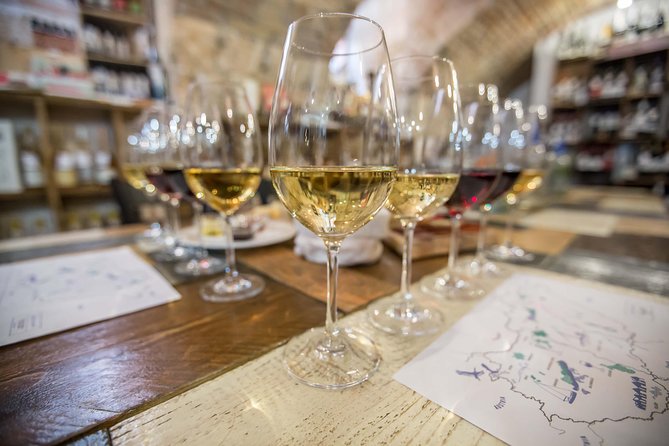
The heart of the experience is the wine flight. You receive five glasses made from Hungarian grape varieties, with the selection designed to show differences between regions, grapes, and styles.
This matters because Hungarian wine is often reduced to Tokaji sweet wine, especially Tokaji Aszú. Tokaji may appear during the tasting, and one session ended with it as a favorite final pour, but the afternoon covers more ground than one famous name. You get an introduction to wines made from indigenous grapes, as well as Hungarian versions of varieties you may already know.
The sommelier explains where the grapes grow and how soil and climate affect the final wine. You may hear about the main Hungarian wine regions and use a map to follow them. The tasting sheets give you space to record what you think, which is useful if one bottle catches your attention and you want to find it again later.
I like this structure because it gives you a way to remember the wines beyond red, white, sweet, or dry. You learn to connect a wine with a place and a grape. That is especially useful in Hungary, where unfamiliar names can otherwise make a wine list feel like a guessing game.
The wines are served in generous tasting portions. That makes the $50 price easier to justify, though you should still remember that five pours can add up. Eat something earlier if you are sensitive to alcohol, since the included food is substantial enough for pairing but not necessarily a full meal.
The cheese and charcuterie board
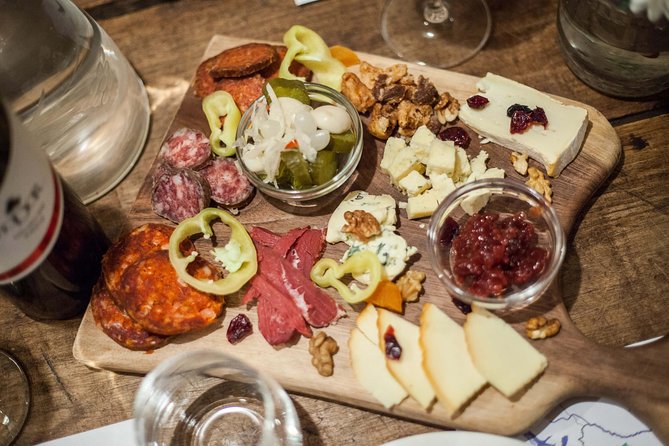
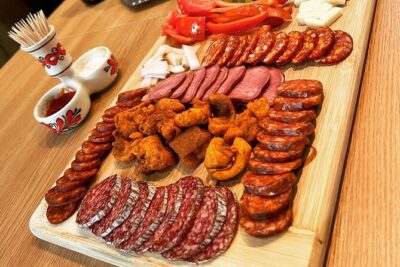
The food portion includes four kinds of cheese and four kinds of cured meat, along with fresh artisan bread and mineral water. It is designed to support the wine, not compete with it.
The meat selection can include beef sausage, smoked duck breast, free-range water buffalo salami, and Mangalica pork sausage. Mangalica is especially interesting because it is a Hungarian breed known for its distinctive, fatty pork. The board gives you a chance to taste products that are more local than the standard salami and cheese plate found in many European wine bars.
The cheese and meat pairing is one of the most praised parts of the experience. The combinations are selected to show how salt, fat, smoke, and acidity change the taste of wine. If you usually treat wine pairing as decoration, this is where the tasting becomes practical.
Still, keep your expectations in check. Some people found the quality excellent but the quantity modest, particularly given the $50 cost. The board works well as a generous tasting snack, but I would not book this expecting a complete lunch or dinner.
Vegetarians can participate if they notify the provider in advance. Alternatives can be prepared, though the supplied information does not specify exactly which cheeses or other foods will replace the meat. If you are vegetarian, mention it when booking rather than waiting until you arrive.
The story behind Hungary’s food and wine revival
This is not only a tasting of bottles. You also hear about Hungary’s wine culture and the revival of artisanal cheese and charcuterie after the end of the Communist era.
That context gives the food more meaning. The board is not just a collection of snacks. It reflects the return of small-scale producers and traditional products to Hungarian dining. The sommelier also discusses the evolution of grape varieties and wine regions, along with the science of winemaking.
The best guides make this information easy to follow. Sam, Tomas, Thomas, and Matthew are specifically praised for explaining the wine and its regional background in a friendly way. Several sessions were described as useful even for people who knew little about wine. A sommelier also found the standard high enough to recommend the event, which suggests the explanations are not limited to basic tourist facts.
The educational side is strongest if you ask questions. You can ask about grapes, soil, food pairing, production, or the regions shown on the map. You do not need to arrive with technical knowledge. You only need enough curiosity to compare one glass with the next.
A few more trips worth weighing up before you book
- Evening Wine, Cheese, & Charcuterie Tasting in Budapest
★ 5.0 · 121 reviews - Budapest Private Tuk Tuk Tour with Wine Tasting and Cheese Platter
★ 4.5 · 35 reviews
A relaxed pace, with one timing concern
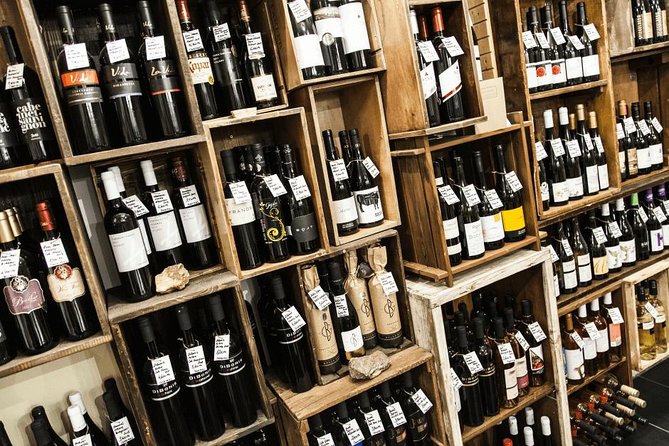
The tasting lasts about 90 minutes. That is long enough for five wines, the food board, and a solid introduction to Hungarian wine without turning the afternoon into a full lecture.
Several sessions allowed time to talk about each wine before giving the group a stretch of about 15 minutes to enjoy the food and glasses. That pause matters. Wine tasting is more pleasant when you can stop taking notes and simply taste what is in front of you.
The overall pace is usually easygoing, and the guides are often described as welcoming and entertaining. You are not expected to rush through every sample. The communal table also creates a social rhythm, with time to compare impressions with the people beside you.
There is one practical wrinkle. A few people felt hurried when the tasting was ending because another group was scheduled. This does not appear to define every session, but it is worth knowing if you value an unhurried final glass. The safest approach is to arrive on time and use the middle of the tasting for questions, rather than saving everything for the last few minutes.
Is $50 a good value?
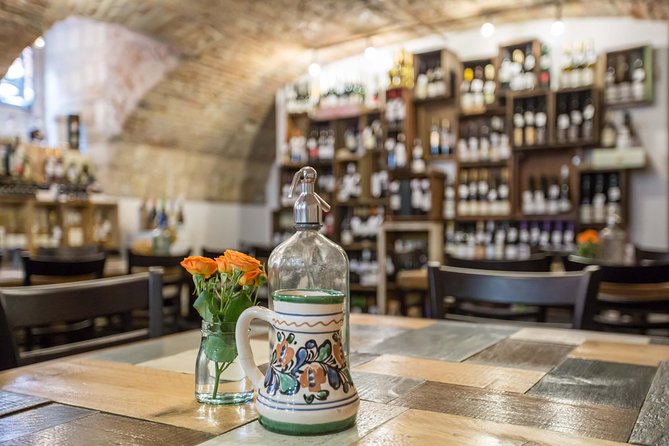
At $50 per person, this is not the cheapest way to drink wine in Budapest. You could order a glass or two at a wine bar for less. That comparison misses the main point, though.
The fee includes five wines, four cheeses, four meats, bread, water, a professional sommelier, tasting sheets, and a map of Hungarian wine regions. You are also paying for the cellar setting and for a guided lesson that helps you understand what you are tasting.
The value is strongest for anyone who might buy Hungarian wine after the tasting. A good guide can help you recognize grape names and regional styles, which makes it easier to choose bottles later. One person bought four bottles after the session to enjoy during the rest of a Budapest stay. That is a sign the tasting can serve as a useful shopping guide, not just an afternoon drink.
The value is weaker if you are mainly looking for a large food spread. The charcuterie and cheese are well chosen, but portions may not satisfy a serious appetite. Have a meal before or after if food is your priority.
The price also makes sense for couples or solo visitors who want a structured activity. It is less compelling for someone who already knows Hungarian wine well and would rather spend the money on a restaurant bottle. For most first-time visitors, though, the combination of instruction, unusual wines, and local food is fair.
Who will enjoy this most?
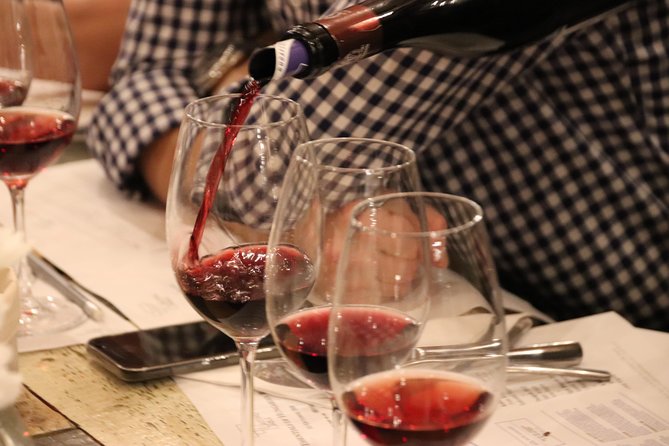
I would recommend the tasting to you if you enjoy food and drink but do not want a formal or intimidating wine class. The guides explain technical subjects in plain language, and you can participate at your own level.
It also suits wine lovers who want more than Tokaji. The five-glass format introduces local grapes and regional differences, including wines you may not encounter easily in your home country.
Solo visitors can fit in well because seating is communal. The social setup has helped people meet others from the United Kingdom, Poland, the United States, and elsewhere. Couples can enjoy it too, though you should be comfortable sharing a table.
It is also a smart choice for a rainy afternoon or a break from Budapest’s outdoor sights. The 3 p.m. start leaves the morning free for museums, markets, or a walk, then gives you a comfortable transition toward the evening.
I would hesitate to recommend it if you need a private table, want a full meal, or dislike group activities. It is not a vineyard visit, either. You stay in the Budapest cellar and learn about the country’s wine regions through the guide, map, and tasting rather than visiting the vineyards themselves.
Practical details that affect your plans
You receive booking confirmation at the time of reservation, and the experience is offered in English. The legal drinking age in Hungary is 18, so participants must be at least 18.
The mobile ticket makes arrival simple. Since the meeting and ending point are the same, you do not need to arrange a return transfer. Public transportation is nearby, which is useful after five wine samples.
The activity requires a minimum number of participants. If that minimum is not reached and the session is canceled, you will be offered another date or experience, or a full refund. Otherwise, the booking is non-refundable and cannot be changed, so check your Budapest schedule carefully before paying.
This experience is booked an average of 23 days ahead. That does not guarantee every date sells out, but it is a useful reason to reserve early if the 3 p.m. slot fits your plans.
Should you book the Hungarian wine tasting?
I would book this if you want a clear, friendly introduction to Hungary through its wine, cheese, and cured meat. The cellar is atmospheric, the five wines give you a broad first look at local varieties, and the guides have repeatedly been praised for their explanations and warm manner.
Book with two expectations in mind: the food is a tasting board rather than dinner, and the final minutes may feel slightly tight if another group is waiting. If those limits do not bother you, $50 buys a useful lesson, a social afternoon, and a much better understanding of what to order when Hungarian wine appears on your next menu.
FAQ
Where does the Hungarian wine tasting take place?
It takes place at Tasting Table Cellar by Taste Hungary, at Bródy Sándor u. 9, 1088 Budapest, Hungary.
What time does the tasting start?
The tasting starts at 3 p.m. and lasts approximately 1 hour and 30 minutes.
How many wines are included?
Five glasses of Hungarian wine are included. The wines feature indigenous Hungarian grape varieties, including some local bottles that can be difficult to find elsewhere.
What food is included?
You receive a board with four kinds of cheese and four kinds of cured meat, plus fresh artisan bread and mineral water. Examples of the meat may include beef sausage, smoked duck breast, water buffalo salami, and Mangalica pork sausage.
Can vegetarians join?
Yes. Vegetarians are welcome, but you must notify the provider in advance so alternatives can be prepared.
Is the tasting available in English, and how old must I be?
The tasting is offered in English. Hungary’s legal drinking age is 18, so participants must be at least 18 years old.
More Food and Drink Tours
- Budapest: Unlimited Prosecco, Beer and Aperol Spritz Cruise
★ 4.8 · 25,310 reviews - Budapest: Unlimited Prosecco, Beer & Aperol Spritz Cruise
★ 4.5 · 3,371 reviews - From Budapest: Etyek Wine Tasting Tour with 3-Course Meal
★ 4.8 · 557 reviews - Budapest: Guided Foodie Walking Tour with Food and Drinks
★ 4.9 · 453 reviews
Just added around Budapest
- Lake Balaton and Herend Guided Tour★ 4.7 · 3 reviews
- Audio visual multi-sensory chefs journey dinner experience★ 5.0 · 3 reviews
- Hollókő Ethnographic Village: Day Tour from Budapest★ 3.7 · 3 reviews
- Tapolca Cave Lake and Tihany/ Balaton private tour from Budapest★ 4.5 · 3 reviews
- Budapest Art Nouveau Walking Tour★ 5.0 · 3 reviews
- SzentEndre-SaintAndrew City Privately Shopping and Picturesque★ 4.5 · 3 reviews
- Budapest Drinks and Piano Show Cruise★ 4.5 · 3 reviews
- Horseshow on the Hungarian Puszta, private tour from Budapest with entry!★ 5.0 · 3 reviews
Wine Tours, compared.
Countryside Half-day Gastro-Wine Tour from Budapest Meal & pickup
What we thought →Budapest Centre Food Tour with 10+ Tastings, Wine & Street Food
What we thought →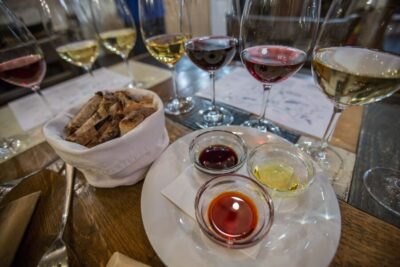
Budapest Cooking Class & Market Tour with Local Guide & Wines
What we thought →
Budapest Food Tour: Market to Tavern with 14+ Tasters & Wines
What we thought →

Browse the lists this tour appears in