
Reviewed · BUDA CASTLE & CASTLE DISTRICT
Budapest Castle District Walking Tour
Start with Budapest’s best uphill history lesson. This two-hour walk links Buda Castle, Matthias Church, Fisherman’s Bastion, wartime ruins, and sweeping views over the Danube. I like the way it gives you historical context instead of simply pointing at grand buildings, and I like the chance to ask questions about Budapest as you go.
The tour also offers strong value at $3.62 per person. I especially appreciate that guides such as Dora, Zsófia, Rita, Gary, Sophia, and Valeria have been praised for clear storytelling, humor, and a considerate pace. The main drawback is physical: stairs and uphill walking are part of the deal, and time at Buda Castle itself can feel short.
In This Review
- Key points before you book
- Batthyány Square: meeting the Buda story
- Matthias Church and eight centuries of change
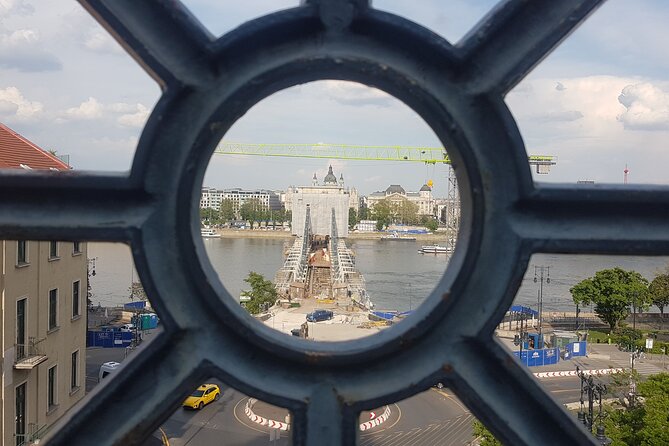
- Fisherman’s Bastion and the free viewpoint
- The Medieval Jewish Prayer House
- National Archives and the scars of World War II
- Underground Castle Hill and the Hospital in the Rock
- Buda Castle and the Hungarian royal past
- Prince Eugene’s statue and the final Danube panorama
- Guide style matters more than the low price
- What $3.62 really gets you
- Group size, fitness, and planning tips
- Who should book this Castle District walk?
- Should you book it?
- FAQ
- Where does the Budapest Castle District Walking Tour start?
- Where does the tour end?
- How long does the walking tour last?
- What language is the tour offered in?
- Does the tour enter Matthias Church?
- Does the tour enter the Hospital in the Rock Nuclear Bunker Museum?
- Is admission to the sights included?
- How much walking and climbing is involved?
- Is the tour wheelchair accessible?
- What does the $3.62 price cover?
- Can I cancel for a full refund?
- What happens if the weather is poor?
Key points before you book
- The route begins at Batthyány Square and climbs toward Castle Hill, so prepare for roughly a 10-minute uphill walk plus more steps along the way.
- You see the major Buda sights from outside, including Matthias Church, Fisherman’s Bastion, and Buda Castle. The church and museums are not entered.
- The strongest part is the historical storytelling, covering wars, occupations, everyday life, Jewish heritage, Ottoman connections, World War II, and modern Hungary.
- The best views come near the end, from the terrace beside Prince Eugene of Savoy’s equestrian statue.
- The advertised price is a booking fee, not the guide’s full pay. Guides depend on donations at the end, so bring cash or another practical way to tip.
- The group can reach 30 people, although some departures may feel smaller. The tour is offered in English and uses a mobile ticket.
Batthyány Square: meeting the Buda story
The walk starts at Batthyány Square, at the metro exit in the park near Budapest, Batthyány tér 1. This point matters because the square sits on the Pest side of the Danube, while the main sights are across the river on Castle Hill. Check that you are at the metro exit in the park, not simply somewhere in the wider square.
Your local guide introduces the plan here, then explains what you are about to see. The Castle District includes the former Royal Palace, Matthias Church, Fisherman’s Bastion, the Maria Magdalena Church Tower, lookout terraces, public art, and an underground cave system. That opening overview helps you understand that Buda Castle is not one isolated building. It is a whole historic quarter shaped by kings, armies, residents, and repeated destruction.
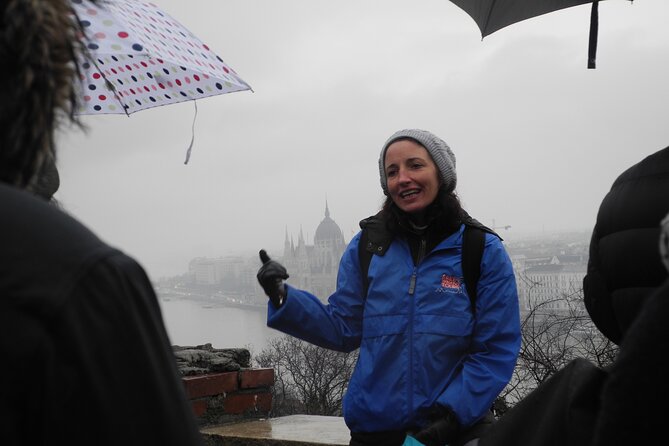
The first 10 minutes are easy, but the climb comes soon after. Take the physical warning seriously, especially in hot weather, freezing wind, or if you have trouble with stairs. Guides have been praised for pausing during the climb, finding shade, and keeping the group together. Rita even treated the uphill walk as a chance to skip the gym today, which is a fair description.
More Buda Castle and Castle District walks:
- Budapest: Buda Castle Cave Tour
★ 4.7 · 5,677 reviews - Budapest: Buda Castle District Vampires and Myths Night Tour
★ 4.6 · 3,830 reviews - Budapest: Buda Castle Walk with Saint Stephen’s Hall
★ 4.5 · 3,012 reviews
Matthias Church and eight centuries of change

At Matthias Church, the guide spends about 15 minutes explaining the area’s long past. You do not go inside the church, so this stop is about the exterior, the setting, and the stories attached to the district.
The useful part is the broad social picture. You hear about German, Jewish, and Hungarian communities and their everyday lives, along with the wars and occupations that changed the neighborhood. This is a better way to approach the Castle District than treating it as a collection of pretty facades. The buildings are impressive, but the real subject is how people lived through political change.
The no-entry policy is worth noting. If you want to see the church interior, you will need to return on your own. This tour gives you orientation and context, not a full visit to every paid sight.
Guides are a major part of the experience here. Dora has been praised for her willingness to answer questions, while Sophia was appreciated for speaking clearly and patiently. Odea added a few Hungarian words to her presentation, a small touch that can make the walk feel more connected to daily life.
Fisherman’s Bastion and the free viewpoint
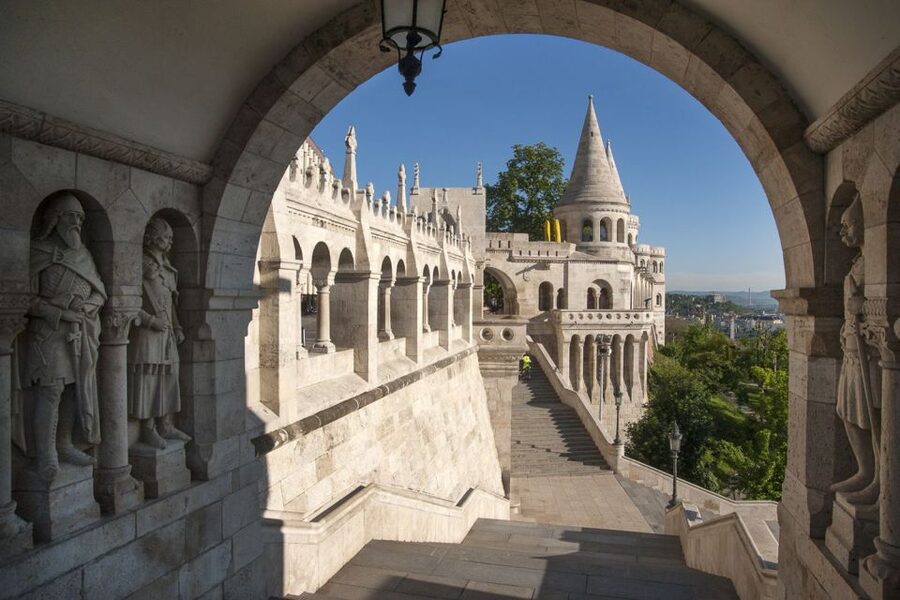
Fisherman’s Bastion receives about 10 minutes. The terraces and towers provide one of the tour’s most obvious photo moments, with views across the Danube toward Pest. The guide also explains the connection between Fisherman’s Bastion and Walt Disney, along with the meaning of crosses with one, two, or three bars.
That cross explanation may sound minor, but it shows the tour’s style. You are not getting only a list of dates and buildings. You are getting small visual details that help you read what you see around you.
The guide also points out how to enjoy a free view from Castle Hill. That is useful because some areas around the bastion may require payment, while other viewpoints do not. Ask your guide to clarify exactly where you can go without an extra ticket.
Crowds can be a real issue here. Fisherman’s Bastion is one of the most visited places in Budapest, and busy periods can make it hard to pause or frame a clean photograph. If views are your main goal, leave extra time after the tour to return when the area feels calmer. The official walk itself may not allow much lingering.
The Medieval Jewish Prayer House
The next 10-minute stop introduces the Medieval Jewish Prayer House and the baroque homes around it. This is one of the more important stops for readers who want to see beyond the postcard version of Buda.
The prayer house connects the district to the Jewish community that lived here in the medieval period. The nearby residential buildings add another layer, showing that the Castle District was not only a royal compound or military position. It was also a place where people lived, worshiped, worked, and rebuilt.
The stop is brief, so expect an introduction rather than a full architectural study. Still, it breaks up the better-known royal and religious sights and gives the walk more balance.
More walking tours:
- Big Bus Budapest Hop-On Hop-Off Bus and Walking Tour
★ 3.5 · 2,206 reviews - Budapest: Buda Castle District Walking Tour
★ 4.6 · 2,108 reviews - Budapest City Landmarks Walking Tour in 2 Hours
★ 5.0 · 2,048 reviews - 3-Hour Orientation Walking Tour of Buda and Pest
★ 4.8 · 1,834 reviews
National Archives and the scars of World War II
At the National Archives of Hungary, the guide discusses the severe destruction caused by World War II. You also learn where the Nazi stronghold was, where wealthy Hungarians lived, and where the Muslim pilgrimage site connected with Gül Baba, an Ottoman Turkish monk and soldier, is located.
This section helps explain why the Castle District can look both old and new at once. Much of what you see has been rebuilt, repaired, or altered after war damage. A polished facade does not mean the building escaped the violence of the twentieth century.
The stop takes about 10 minutes. The range of subjects is wide, so listen for the connections rather than expecting every detail to be covered. The guide is moving through a compact historic area, and the tour is designed to give you a usable overview.
Underground Castle Hill and the Hospital in the Rock
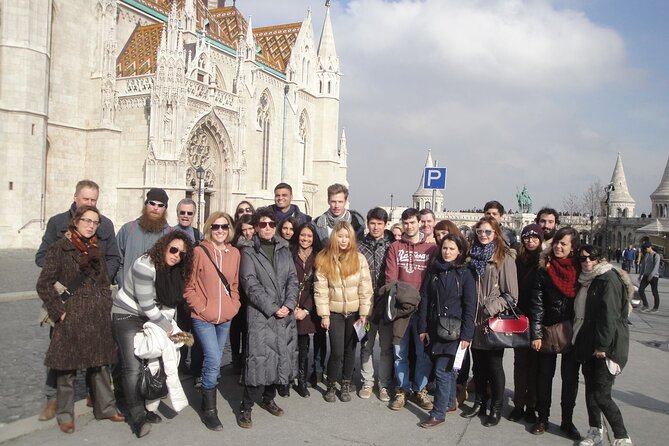
The 15-minute stop near the Hospital in the Rock Nuclear Bunker Museum focuses on the life beneath Castle Hill. You hear about underground labyrinths, caves, and the role of these spaces in defense over the centuries.
You do not enter the museum as part of this walk. That distinction matters if you are hoping for a bunker visit. The guide introduces the subject and explains why the underground network mattered, then points out other details nearby.
This part also includes Budapest’s public statues and the huszár, the light cavalry fighter associated with Hungarian military tradition. The mention of the city’s funnier statues adds a welcome change of tone after war and occupation stories. Several guides have been praised for mixing history with humor, and this is the kind of stop where that balance works well.
If you have a strong interest in the bunker, caves, or military history, plan a separate visit. The walking tour gives you the background needed to decide if the museum deserves more of your time.
Buda Castle and the Hungarian royal past
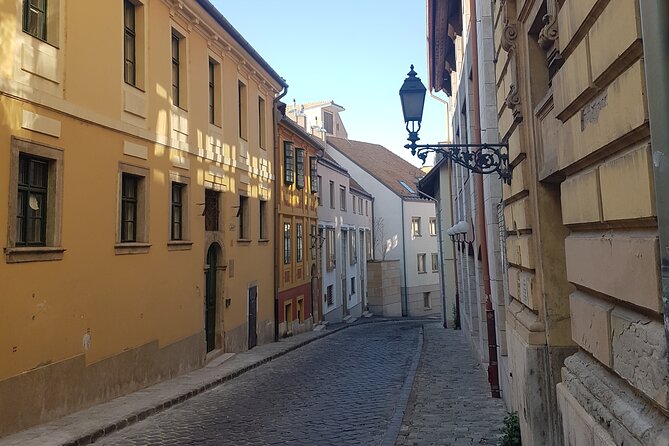
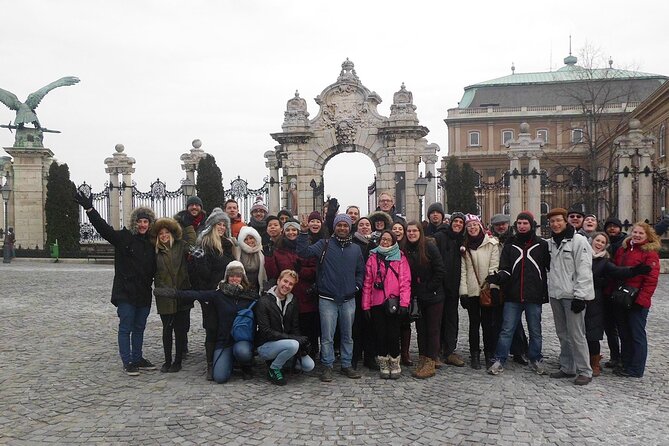
Buda Castle receives about 20 minutes, the longest stop on the route. You see the huge former royal residence and learn how war damage led to repeated rebuilding.
The guide also points out the mythical bird of the Hungarians and explains where the offices of the president and prime ministers are located. These details connect the royal past with the modern political center of Hungary.
This is the point where time can feel tight. One direct comment about the walk was that more time at the castle would have helped with photographs, despite the guide’s strong presentation. That is a fair concern. Twenty minutes is enough for an explanation and a quick look, but it may not satisfy you if you want to study the palace, take many photos, or explore the grounds slowly.
I would treat this stop as your introduction to Buda Castle, not your complete visit. After the tour, you can return with a clearer idea of what deserves your attention.
Prince Eugene’s statue and the final Danube panorama
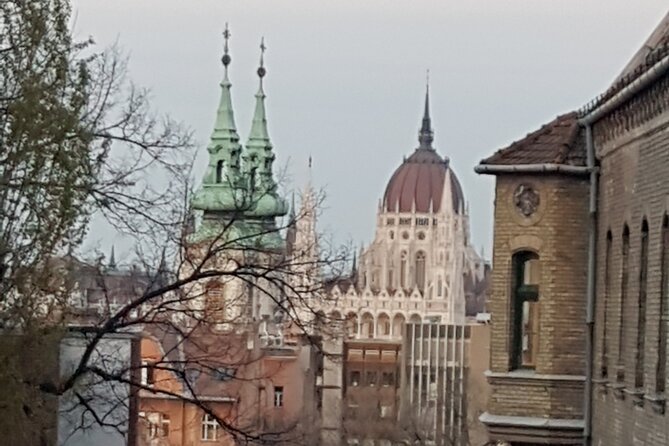
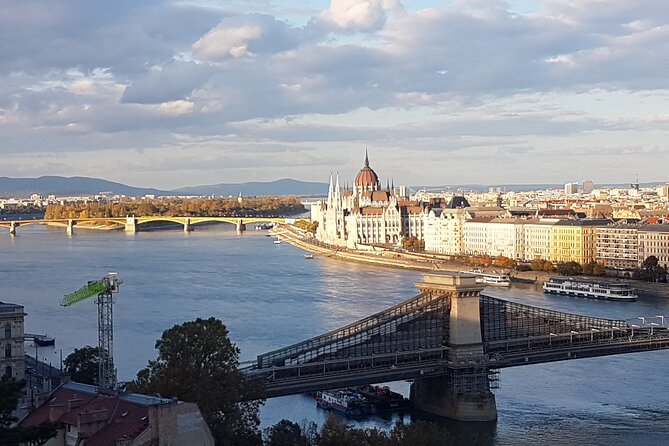
The tour ends beside the equestrian statue of Prince Eugene of Savoy, on a terrace overlooking the Pest side of the Danube. This is the visual payoff of the walk and one of the best places to pause for photographs.
The guide may test you with questions about the main Castle Hill sights and Hungarian life. That playful ending fits the overall tone described by many people who enjoyed guides such as Dora, Gary, Judit, and Gabor. The best guides keep the talk moving while leaving room for questions.
The final 10 minutes include practical information and time for anything you still want to ask. The end point is about a 30-minute walk from the starting point, so do not plan to finish at Batthyány Square. This is useful when arranging lunch, a museum visit, or transport afterward.
Guide style matters more than the low price
The tour uses local, licensed English-speaking guides, and guide quality is clearly central to the experience. Strong performances have come from Dora, Zsófia, Rita, Gary, Sophia, Valeria, Esther, Endre, Judit, and others. The most praised traits are clear explanations, warm personalities, humor, good volume, and willingness to stop for questions.
I would not expect every guide to use the same style. One guide was considered too dry and monotonous on a very hot day, while another was said to speak too quickly for everyone to catch every point. That is a useful reminder: the subject matter is excellent, but the presentation can vary.
Weather can change the experience sharply. One person enjoyed the tour with Dora even in freezing, windy conditions. Another found the combination of heat, crowds, and a flat delivery difficult. Wear suitable clothing, carry water, and do not arrive hungry. One person became ill near the end after apparently dealing with cold, low blood pressure, and a lack of food. That incident was handled with help from guide Sophia, but it is a good reason to pace yourself.
What $3.62 really gets you
At $3.62, this is unusually inexpensive for a two-hour guided walk through one of Budapest’s major historic areas. The fee covers booking administration and does not contribute to the guide’s earnings. Guides depend on donations at the end, so the real cost is the amount you choose to give.
That arrangement can be excellent value if you want a guided introduction without committing to an expensive private tour. You get local stories, route planning, historical background, and help understanding what you are seeing. You also retain the freedom to tip according to how useful the experience feels.
The low booking price does not include museum entry, church entry, food, or private transport. The tour is mainly an outdoor orientation walk. If you want interiors, you will need to pay separately and return to the sites.
Group size, fitness, and planning tips
The maximum group size is 30 people. A group of that size can make it harder to hear near busy roads or crowded viewpoints, so stay close to the guide. Some departures may be smaller, but you should plan for the stated limit.
The walk requires a moderate level of fitness. There is a 10-minute uphill section, more stairs, and a total duration of about two hours. It is not wheelchair accessible, and people with movement difficulties may want to choose a flatter activity instead.
Service animals are allowed, and the starting point is near public transportation. Bring comfortable shoes, water, sun protection in warm weather, and extra layers in cold or windy conditions. The route ends well away from the meeting point, so check your next destination before you set off.
Free cancellation is available up to 24 hours before the start time for a full refund. Changes made inside that 24-hour period are not accepted, and the tour may be canceled in poor weather with a choice of another date or a full refund.
Who should book this Castle District walk?
I would book this tour if you are visiting Budapest for the first time and want a clear introduction to Buda. It is especially useful early in your stay because it shows you where the major sights fit together and gives you historical background for later visits.
It also suits anyone who likes stories about ordinary life, war, religion, politics, architecture, and public art in one walk. Families with older children or teenagers may enjoy the mix of castles, odd statues, military tales, and city views. Several guides have kept young people interested through humor and lively explanations.
I would hesitate if you dislike hills, need step-free access, or want long periods for photography. I would also choose another option if your main goal is to tour the interior of Matthias Church, the Hospital in the Rock, or Buda Castle. This experience shows you the setting and explains its importance, but it does not replace paid admission.
Should you book it?
Yes, if you want an inexpensive, story-led introduction to Buda and can handle the hills. The best value comes from the guides, the broad historical coverage, and the final views over the Danube.
Book with realistic expectations. You will walk, climb, stand outdoors, share busy viewpoints, and see the main sights mostly from the outside. If that sounds like a fair trade for two hours of local context and a donation-based price, this is a smart first step into Budapest’s Castle District.
FAQ
Where does the Budapest Castle District Walking Tour start?
It starts at Batthyány tér 1 in Budapest, at the Batthyány Square metro exit in the park.
Where does the tour end?
It ends at the Statue of Prince Eugene of Savoy in Budapest, 1013. The end point is about a 30-minute walk from the starting point.
How long does the walking tour last?
The tour lasts approximately two hours.
What language is the tour offered in?
The tour is offered in English.
Does the tour enter Matthias Church?
No. The church is introduced from outside, and admission to the interior is not included.
Does the tour enter the Hospital in the Rock Nuclear Bunker Museum?
No. The guide explains the underground Castle Hill area and the bunker museum, but museum entry is not included.
Is admission to the sights included?
The walking tour includes outside explanations of the listed sights. Admission tickets to interiors are not included.
How much walking and climbing is involved?
You should expect a moderate amount of walking, a 10-minute uphill section, and additional stairs around Castle Hill.
Is the tour wheelchair accessible?
No. The tour is not wheelchair accessible and requires a moderate level of physical fitness.
What does the $3.62 price cover?
The price is a booking fee for administration. It does not contribute to the guide’s earnings, and tips are not included. Guides depend on donations at the end, with the amount left to you.
Can I cancel for a full refund?
Yes. You can cancel at least 24 hours before the start time for a full refund. Cancellations or changes made less than 24 hours before the start time are not accepted for a refund.
What happens if the weather is poor?
The tour requires good weather. If it is canceled because of poor weather, you will be offered another date or a full refund.
Just added around Budapest
- Lake Balaton and Herend Guided Tour★ 4.7 · 3 reviews
- Audio visual multi-sensory chefs journey dinner experience★ 5.0 · 3 reviews
- Hollókő Ethnographic Village: Day Tour from Budapest★ 3.7 · 3 reviews
- Tapolca Cave Lake and Tihany/ Balaton private tour from Budapest★ 4.5 · 3 reviews
- Budapest Art Nouveau Walking Tour★ 5.0 · 3 reviews
- SzentEndre-SaintAndrew City Privately Shopping and Picturesque★ 4.5 · 3 reviews
- Budapest Drinks and Piano Show Cruise★ 4.5 · 3 reviews
- Horseshow on the Hungarian Puszta, private tour from Budapest with entry!★ 5.0 · 3 reviews
Buda Castle & Castle District, compared.
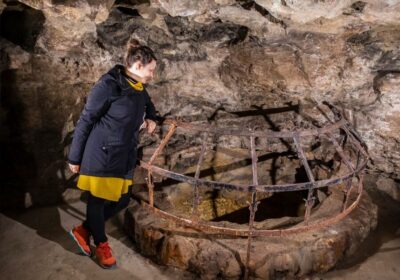

Buda Castle District Vampires and Myths Night Tour
What we thought →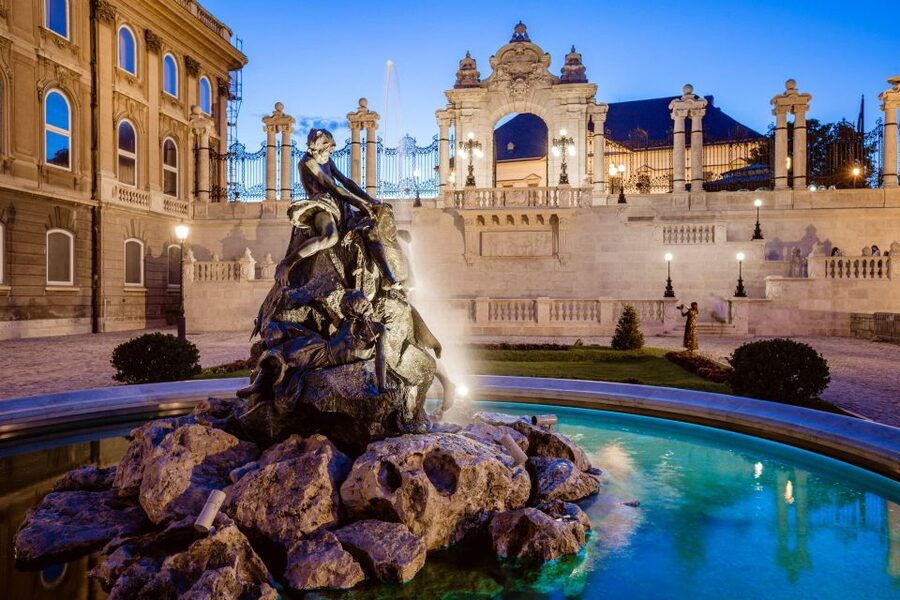
Buda Castle District Dark History, Legends and Vampire Night Tour
What we thought →
Buda Castle District Walking Tour with a Historian
What we thought →
Walking tour in the Buda Castle incl. Fisherman’s Bastion
What we thought →
Private photography photo session at Fisherman Bastion
What we thought →Browse the lists this tour appears in