Reviewed · TICKETS
Memento Park: Official Guided Tour with Entry Ticket
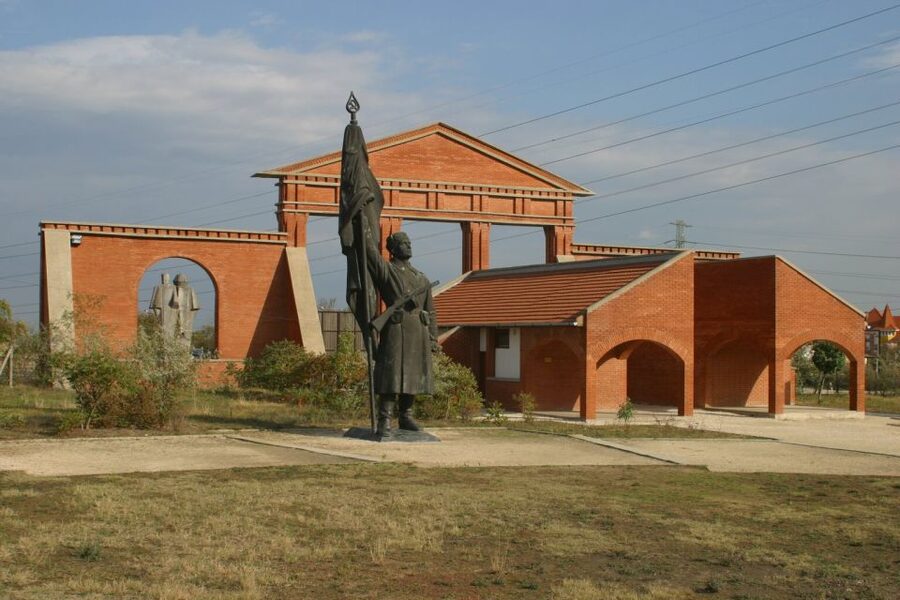
Propaganda looks different in a park. Memento Park gathers Budapest’s unwanted communist statues in one memorable place, and the guided walk helps you read the symbols instead of simply staring at oversized bronze figures. I like the clear historical context and the chance to see Stalin’s Grandstand, complete with its concealed rooms. I also like the small, playful touches, especially the old Trabant car and the film displays. The main drawback is location: this is an out-of-center visit, and public transport takes about 40 minutes.
I especially value the guide-led explanation of how propaganda worked in daily life, not just who each statue represents. Guide Ildi has been praised for her warm, engaging approach, and her personal experience of life under the Soviet system can give the discussion a human edge. Still, this is a history-heavy outing, and anyone wanting only quick statue photos may find the roughly 70-minute walk more detailed than expected.
In This Review
- Key points to know before visiting Memento Park
- Why Memento Park belongs on a Budapest itinerary
- Meeting your guide at the park entrance
- Witness Square and the first view of communist power
- Stalin’s Grandstand and its concealed rooms
- Reading the statues in Statue Park
- The human side of life behind the Iron Curtain
- The End Wall and what happens after the walk
- Is the $28 price good value?
- Who will enjoy this guided visit most?
- Practical tips for a smoother visit
- Should you book Memento Park?
- FAQ
- Where is Memento Park located?
- How long does the guided tour take?
- What language is the tour in?
- What is included in the price?
- Is transportation included?
- Is Memento Park wheelchair accessible?
- Can I cancel the booking?
Key points to know before visiting Memento Park
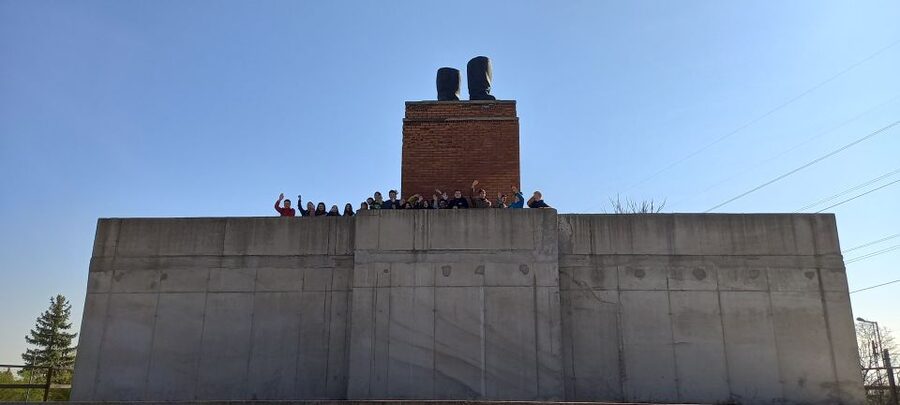
- Stalin’s Grandstand reveals the machinery behind the spectacle, including rooms hidden beneath the platform.
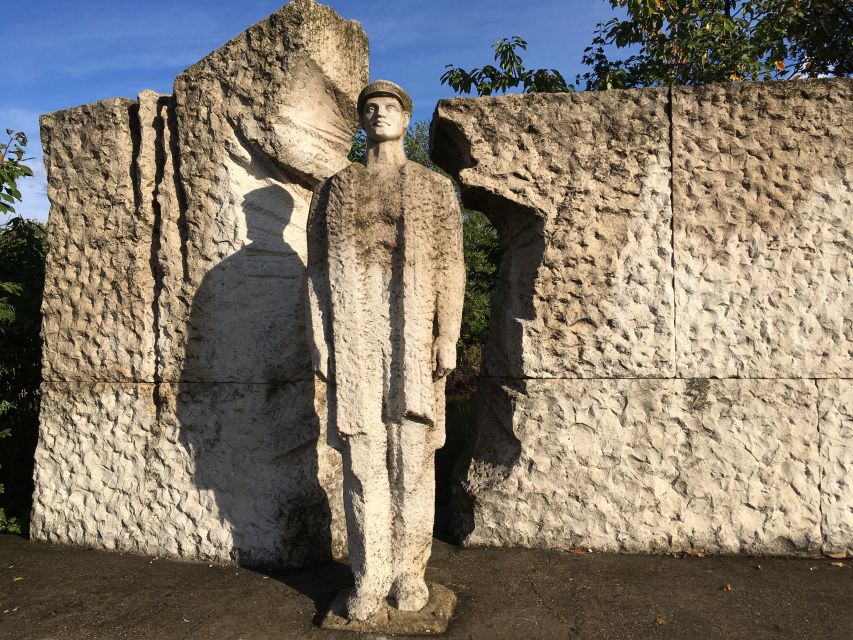
- The statue collection shows workers, communist leaders, and political events from Hungary and beyond.
- An English-speaking guide makes the symbols easier to understand, especially if communist-era history is new to you.
- The Trabant adds a hands-on touch to an otherwise serious history visit.
- The park sits outside central Budapest, so allow about 40 minutes by public transport, plus time for the tour.
- Gravel paths and open-air conditions matter, so wear comfortable shoes and bring sun protection.
Why Memento Park belongs on a Budapest itinerary
Budapest is full of grand buildings, river views, and traces of the Austro-Hungarian past. Memento Park offers a different city story: the decades when Hungary lived under a communist dictatorship and public spaces were filled with political sculpture.
After the political changes of 1989 and 1990, many of those statues no longer belonged in central squares. Instead of destroying them, Budapest moved a large group to this park on the city’s edge. That choice gives Memento Park its unusual character. You are not seeing communist monuments in their original civic settings, but you are seeing them together, removed from their former power.
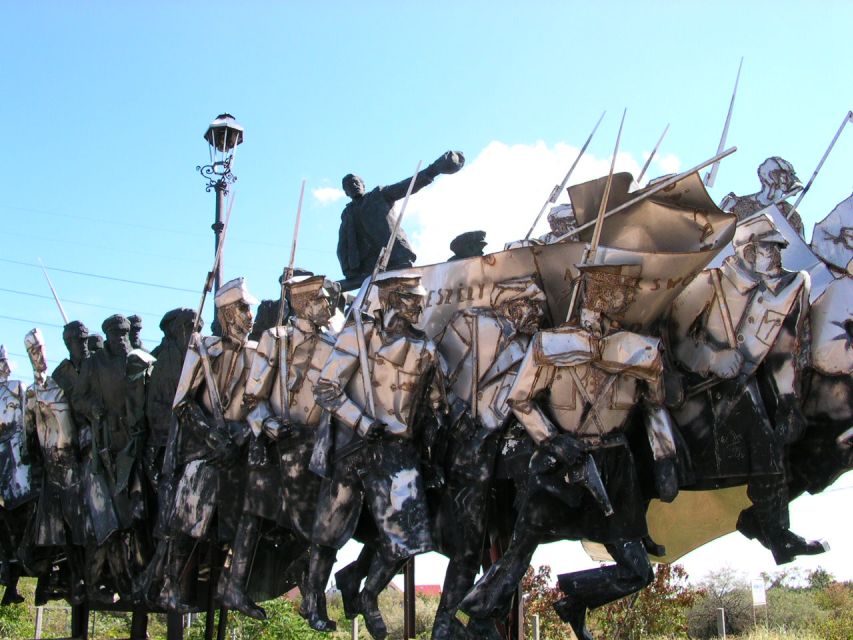
I find a guided visit particularly useful here because the statues can look repetitive at first. Bronze workers raise their arms. Soldiers and political figures gather in formal poses. Slogans and gestures repeat. Without context, the collection risks becoming a row of big sculptures. With a guide, you begin to notice posture, scale, placement, and the way public art tried to shape political behavior.
The tour also connects those public images to ordinary life behind the Iron Curtain. That is important. Memento Park is not only about leaders and official ceremonies. It is also about how state messages reached Hungarian citizens through monuments, workplaces, schools, streets, and public events.
A few more trips worth weighing up before you book
- Budapest: Széchenyi Spa Day Ticket with Optional Upgrades
★ 4.3 · 23,911 reviews - Budapest: Parliament Building Entry Ticket and Audio Guide
★ 4.5 · 3,844 reviews - Budapest: Full-Day Gellért Spa Ticket
★ 4.2 · 3,340 reviews
Meeting your guide at the park entrance
Plan to arrive at the cash desk 15 minutes before the activity begins. You present your voucher there, then join the English-language group with the guide.
The meeting point is inside Memento Park, not in central Budapest. That sounds obvious, but it affects your whole day. You need to plan the journey to the outskirts rather than treating this as a quick stop between central attractions. Public transport takes about 40 minutes, and a taxi is another option if you are short on time or prefer a simpler ride.
The tour is listed as lasting one day in the booking details because you select a starting time for the visit, but the actual guided program is much shorter. The core walk takes about 70 minutes according to the activity description. Another schedule breaks the program into a 95-minute guided segment and a further 35 minutes connected with snacks or tasting, so check the exact start-time details when you book.
That timing matters if you are pairing Memento Park with another Budapest sight. I would give yourself several hours in total, including transport, the guided walk, and time to see the indoor displays after the tour.
Witness Square and the first view of communist power
The walk begins at Witness Square, the open area in front of the park. This starting point helps set the tone before you enter the statue collection.
The name refers to the role of memory and public testimony. Here, the guide introduces the political setting and explains why these monuments were removed from the city center. That introduction gives you a useful frame: the park is not celebrating the regime, but preserving and interpreting the objects it left behind.
From here, you move through the outdoor unit of the museum toward Stalin’s Grandstand. The open-air setting can make the statues feel less imposing than they once did, but the guide helps explain how different they would have appeared when placed in a central square with crowds, flags, speeches, and official ceremonies around them.
I like this part because it turns the park into a lesson in public space. A monument does not work only through its material or artistic style. It also works through location, scale, repetition, and the behavior expected from people nearby.
Stalin’s Grandstand and its concealed rooms
Stalin’s Grandstand is one of the most distinctive parts of the visit. It was built as a viewing platform for political celebrations, with the leader positioned above the crowd. Today, the surviving structure lets you examine the architecture from a much less flattering angle.
The guide takes you through its hidden rooms, which add an unexpected practical layer to the monument. From the public side, the platform was designed for ceremony and display. Behind and below that face, the concealed spaces reveal the controlled, functional side of political theater.
The Waving Balcony offers a view across the surroundings and toward historic parts of the area. The balcony is a useful place to pause because it shows how a ceremonial structure frames the world below. A leader waves from above while crowds look up. The physical arrangement makes the hierarchy plain.
I would not rush this section. The grandstand is more than a photo stop. It helps explain how political authority was staged in Hungary. The hidden rooms and balcony make the structure easier to understand than a simple plaque ever could.
A completely different kind of day out around Budapest:
- Budapest: City Highlights Cruise with Welcome Drink
★ 4.6 · 35,610 reviews - Budapest: Unlimited Prosecco, Beer and Aperol Spritz Cruise
★ 4.8 · 25,310 reviews - Budapest: Nighttime or Daytime Sightseeing Cruise
★ 4.2 · 21,062 reviews - Budapest: 1-Hour Evening Sightseeing Cruise with Drink
★ 4.5 · 8,330 reviews
Reading the statues in Statue Park
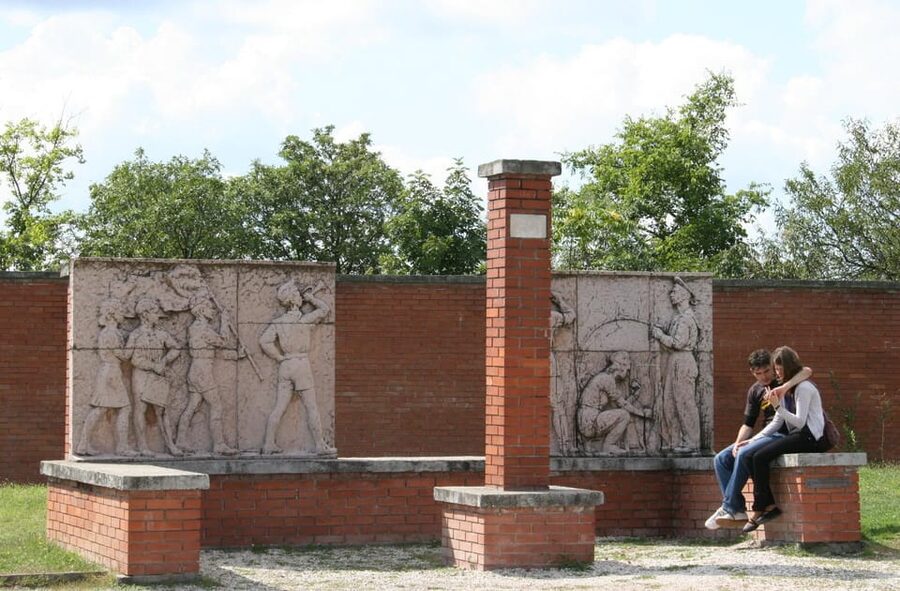
The main Statue Park contains the communist-era monuments that once occupied Budapest’s streets and squares. Your guide introduces sculptures of workers, Hungarian and international communist figures, and major moments in the workers’ movement.
Some pieces are heroic and formal. Others may look almost comic to modern eyes, particularly when huge bronze bodies are placed together outside their original setting. That strange mixture is part of the experience. Memento Park allows you to see the gap between the seriousness of official propaganda and the distance created by time.
The best way to approach the collection is to ask what each statue wanted you to feel. Was it asking for loyalty, admiration, unity, obedience, or sacrifice? What kind of worker or citizen did it present as ideal? How were faces, gestures, flags, and group formations used to make political ideas look natural?
A guide can point out details you might otherwise miss. The tour’s emphasis is not simply on dates and names. It is on the messages built into the sculptures and the methods used to influence citizens.
The outdoor paths are covered with gravel. I recommend sturdy, comfortable shoes, particularly if you have trouble walking on loose surfaces. The park is also exposed to the weather, so sunscreen, a hat, and clothing suited to the forecast will make the visit more pleasant.
The human side of life behind the Iron Curtain
Memento Park could easily become a parade of political names. The guided tour is stronger when it links the monuments to daily life.
You hear about the way official ideas entered ordinary routines and public culture. That connection helps explain why these statues mattered beyond their artistic value. A monument in a city square was part of the visual environment people encountered again and again, whether they admired it, ignored it, or privately disliked it.
Guide Ildi has received particular praise for making this history engaging and approachable. She is also described as having lived through the Soviet regime, which can add a personal dimension to a subject that might otherwise feel distant. Her role is especially useful if you are unfamiliar with Hungary’s communist period or want more than a short label beside each sculpture.
The tone of the program is interactive. You can ask questions and share your thoughts as you walk. That works well here because the statues invite interpretation. You do not need a specialist background, but you should be ready to listen and think. This is not a light sightseeing loop with a few amusing photo opportunities.
The End Wall and what happens after the walk
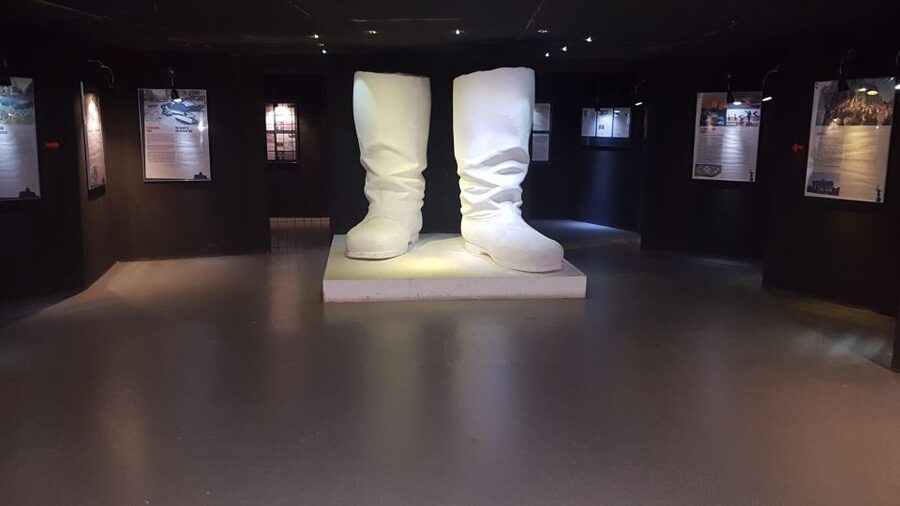
The guided program finishes at the End Wall. This closing point gives the tour a clear endpoint and leaves you with time to continue at your own pace.
After the guide leaves, you can take photographs around the park, visit the souvenir shop, watch the film presentation, or see the displays in the Most Cheerful Barrack. These additions are useful if the subject has caught your interest and you want to stay longer.
The old Trabant is one of the park’s more playful attractions. You can take a photograph in this retro car, which adds a personal and visual link to everyday life in the former communist bloc. It breaks up the monument-heavy visit without turning the whole experience into a theme park.
The film displays are worth allowing time for, too. One part features Soviet-era spy recruitment films that can seem unintentionally funny today. That humor does not erase their political purpose, but it does show how propaganda can age. Materials created to look persuasive or serious may later reveal their odd staging, stiff language, or exaggerated tone.
Food and drinks are not included in the stated admission and guided-tour package. One schedule refers to local snacks and tasting, while the main inclusions specify only entry and the guided tour. I would clarify this point before booking if food is important to you, and I would not arrive assuming a meal is part of the price.
Is the $28 price good value?
At about $28 per person, this is not the cheapest Budapest museum visit, especially once you add transport to the outskirts. Still, the price includes admission and an English-language guided tour, and the guide is the main reason to choose this option.
A self-guided visit may be enough if you already know Hungarian and Soviet history or mainly want photographs of the statues. For most people, though, the meaning of the collection is not obvious on sight. Paying for interpretation can turn a strange group of bronze figures into a clear lesson about power, public art, and memory.
The value is strongest if you take advantage of the full visit. Stay after the tour for the Trabant, film show, exhibitions, and photographs. If you travel all the way out only to complete a quick walk and leave, the cost in both money and time feels less favorable.
The activity includes free cancellation up to 24 hours before the start time and allows you to reserve now and pay later. Those policies help if your Budapest plans are still shifting, but the main decision remains simple: do you want a guided history experience outside the center, or only a fast look at unusual statues?
Who will enjoy this guided visit most?
I would recommend the tour to you if you enjoy modern European history, political art, museums with an unusual setting, or places that explain how ordinary people lived under a former regime.
It is also a good fit if communist history is new to you. The guide supplies the background needed to understand the collection, and the interactive format gives you room to ask basic questions without needing prior study.
You may prefer a self-guided visit if you have very little time in Budapest, dislike history-focused tours, or want to move quickly from one photo stop to another. The United Kingdom review in the supplied material makes this exact point: the statues can be seen without a guide, but the guided version is much more useful if you want historical context.
Children under 10 are not suitable for this activity. Older children and teenagers may find the statues and Trabant interesting, but the subject is serious and the program depends on attention.
The park is wheelchair accessible, though the gravel promenades are worth keeping in mind. If you need a very smooth walking surface, contact the provider before going so you can confirm the current conditions.
Practical tips for a smoother visit
Wear comfortable shoes with soles that handle gravel. Bring a camera, sunscreen, and clothing suited to the weather, since much of the program takes place outdoors.
The tour operates in rain or shine. A rainy day may make the gravel less comfortable and reduce the appeal of the open-air setting, so pack accordingly rather than assuming the activity will be canceled.
Keep at least 15 minutes free before the start time for check-in at the cash desk. Have your voucher ready for the guide.
I would also avoid scheduling a tight appointment immediately afterward. The core tour takes about 70 minutes, but you may want extra time for the exhibitions and film show, and the journey back to central Budapest takes time.
Finally, prepare yourself for a serious visit with occasional humor rather than a conventional sightseeing attraction. The old car and the strange film footage provide lighter moments, but the main subject is dictatorship, propaganda, and the memory of a political system.
Should you book Memento Park?
Book this tour if you want the statues to mean something beyond their size and unusual appearance. The English-language guide, Stalin’s Grandstand, and the discussion of daily life under communism make the $28 fee reasonable for a history-minded visit.
I would skip it if your Budapest schedule is already packed or if a 40-minute journey each way feels too much for an open-air museum. The location is the clear inconvenience, and the program is not designed as a quick central-city attraction.
For the right visitor, Memento Park is one of Budapest’s most distinctive stops. Go with comfortable shoes, allow half a day around the transport and tour, and stay afterward for the Trabant and films. That is when the visit offers its best value.
FAQ
Where is Memento Park located?
Memento Park is in the outskirts of Budapest, in Central Hungary. Reaching it by public transport takes about 40 minutes.
How long does the guided tour take?
The interactive guided program takes about 70 minutes. Another schedule includes a 95-minute guided portion and a further 35 minutes connected with local snacks and tasting, so check the exact activity timing when booking.
What language is the tour in?
The live guided tour is in English.
What is included in the price?
The price includes admission to Memento Park and its premises, plus the guided tour.
Is transportation included?
No. Transportation to and from Memento Park is not included.
Is Memento Park wheelchair accessible?
Yes, the activity is listed as wheelchair accessible. The park’s promenades are covered with gravel, so you may want to confirm current conditions if you need a particularly smooth route.
Can I cancel the booking?
You can cancel up to 24 hours before the activity for a full refund. The booking also offers a reserve-now, pay-later option.
Just added around Budapest
- Lake Balaton and Herend Guided Tour★ 4.7 · 3 reviews
- Audio visual multi-sensory chefs journey dinner experience★ 5.0 · 3 reviews
- Hollókő Ethnographic Village: Day Tour from Budapest★ 3.7 · 3 reviews
- Tapolca Cave Lake and Tihany/ Balaton private tour from Budapest★ 4.5 · 3 reviews
- Budapest Art Nouveau Walking Tour★ 5.0 · 3 reviews
- SzentEndre-SaintAndrew City Privately Shopping and Picturesque★ 4.5 · 3 reviews
- Budapest Drinks and Piano Show Cruise★ 4.5 · 3 reviews
- Horseshow on the Hungarian Puszta, private tour from Budapest with entry!★ 5.0 · 3 reviews
Tickets, compared.
Széchenyi Spa Day Ticket with Optional Upgrades
What we thought →
Parliament Building Entry Ticket and Audio Guide
What we thought →

Sparty – The Ultimate Late-Night Spa Party Ticket
What we thought →