
Reviewed · PARLIAMENT & BASILICA TICKETS
Budapest: Organ Concert in St. Stephen’s Basilica
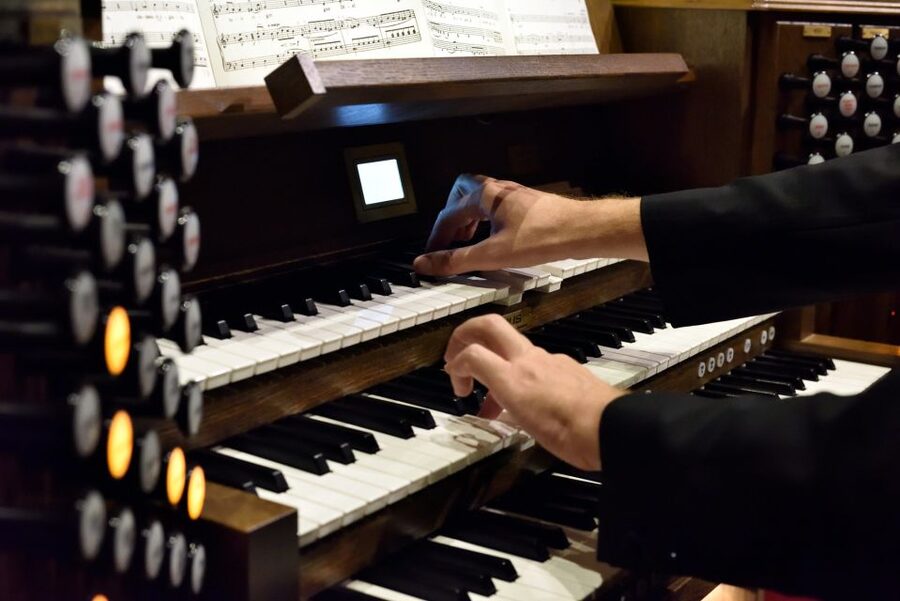
Let the basilica become your concert hall. This Budapest evening pairs the grand organ of St. Stephen’s Basilica with opera arias, flute music, and works by Bach, Mozart, Liszt, and Verdi. I like the setting most of all: the church’s neo-classical interior gives familiar music a solemn, spacious frame. I also like the range of performers, from acclaimed singer Kolos Kováts to flutist Eleonóra Krusic and organist Miklos Teleki.
The main consideration is timing and seating. You need to arrive at 19:40, and your ticket category determines your row, from the first six rows in Category I to rows 17 through 26 in Category III. Pick-up and drop-off are not included, so you must make your own way to the basilica unless you arrange paid transport.
In This Review
- Key points at a glance
- Why St. Stephen’s Basilica changes the concert
- A program that moves from Mozart to Bach
- The artists: three different musical roles
- Choosing between rows 1 and 26
- Is the concert good value?
- Who should book this Budapest evening?
- Practical advice before you go
- Final verdict: should you book it?
- FAQ
- Where does the organ concert take place?
- What time should I arrive?
- Who performs the organ music?
- Who sings the arias?
- Who performs the flute pieces?
- What music is included in the program?
- What do the seating categories include?
Key points at a glance
- St. Stephen’s Basilica provides the setting: You hear the concert inside one of Budapest’s best-known neo-classical churches.
- The program moves across several musical periods: Expect Mozart, Stradella, Albinoni, Liszt, Saint-Saëns, Verdi, and Bach.
- Kolos Kováts sings the vocal selections: The Hungarian concert and oratorio singer has received the Liszt Ferenc Prize, the Merit of Art, and the Kossuth Prize.
- Eleonóra Krusic adds a flute performance: Her part gives the evening a lighter instrumental color beside the organ and voice.
- The closing work is Bach’s Toccata and Fugue in D minor: This is the program’s most instantly recognizable organ piece.
- Three seating categories are available: Category I covers rows 1 to 6, Category II rows 7 to 16, and Category III rows 17 to 26.
Why St. Stephen’s Basilica changes the concert
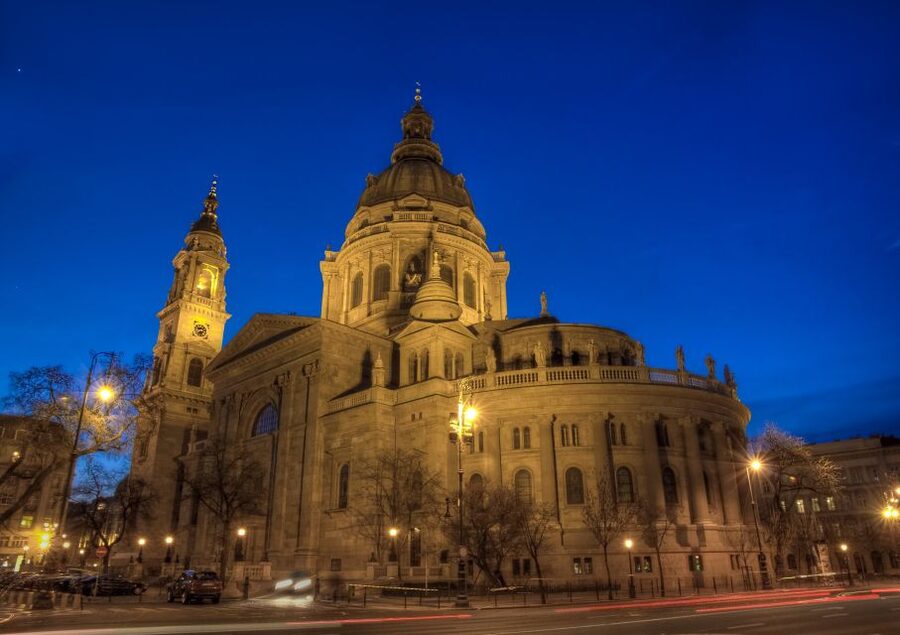
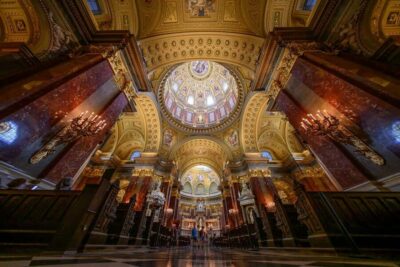
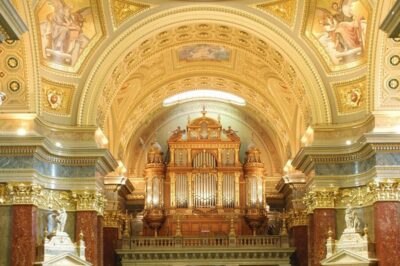
The basilica is not simply a convenient indoor venue. It is part of the evening’s appeal. St. Stephen’s Basilica is one of Budapest’s most important neo-classical buildings, and its scale gives organ music room to breathe. You are listening to a concert in a functioning religious building rather than a standard theater, so the surroundings matter almost as much as the printed program.
That setting suits the music well. Organ tones can feel especially powerful in a large church, while a solo voice gains a more formal and reflective backdrop. The basilica also gives you a memorable way to spend an evening in central Budapest without adding a long journey outside the city center.
You should arrive at 19:40, as instructed. The information provided does not give a concert length, so do not plan another fixed activity immediately afterward. Give yourself enough time to reach the meeting point, enter the basilica, and find your assigned seating area without turning the opening minutes into a race.
More Parliament and Basilica tickets:
- Budapest: St. Stephen’s Basilica Entry with Terrace Option
★ 4.5 · 6,399 reviews - Budapest: Parliament Building Entry Ticket and Audio Guide
★ 4.5 · 3,844 reviews - Budapest: Grand City Tour with Parliament Visit
★ 4.4 · 1,598 reviews
A program that moves from Mozart to Bach
The music covers a wide span, but it is not a random collection of famous titles. The selections move between organ works, vocal arias, and flute passages, giving the concert several changes of mood.
The program opens with Wolfgang Amadeus Mozart’s Fantasie in F minor, K. 506. This sets a serious tone and introduces the organ as the evening’s main voice. It is followed by Alessandro Stradella’s Pietà Signore, a vocal work that brings Kolos Kováts into focus.
Next comes Tomaso Albinoni’s Adagio, one of the program’s more familiar slow pieces. Its measured character should appeal to you if you prefer graceful, reflective music to a program made entirely of grand, loud organ works.
The program then turns to Liszt and Camille Saint-Saëns, with Legend in A major, also known as St. Francis of Assisi’s Sermon to the Birds. The title gives you a useful clue to its character. This piece offers a more pictorial moment, with the music connected to Saint Francis and the birds in the story behind it.
Giuseppe Verdi follows with the Prayer of Fiesco from the opera Simone Boccanegra. Here the evening leans toward opera, and Kováts’s role becomes especially important. If you enjoy the dramatic weight of an operatic voice but do not want to attend a full staged production, this kind of excerpt gives you a concentrated version of that style.
The final portion features Bach. You hear the Polonaise, Minuet, and Badinerie from Suite in B minor, BWV 1067, followed by Bach’s famous Toccata and Fugue in D minor, BWV 565. The closing work is the piece most people will recognize immediately. It is a strong choice for a church organ concert because the sound is closely tied to the instrument and the building.
The artists: three different musical roles
Miklos Teleki is the organ performer named for the concert. His role carries much of the evening’s weight, since the organ appears throughout the program and anchors the church setting.
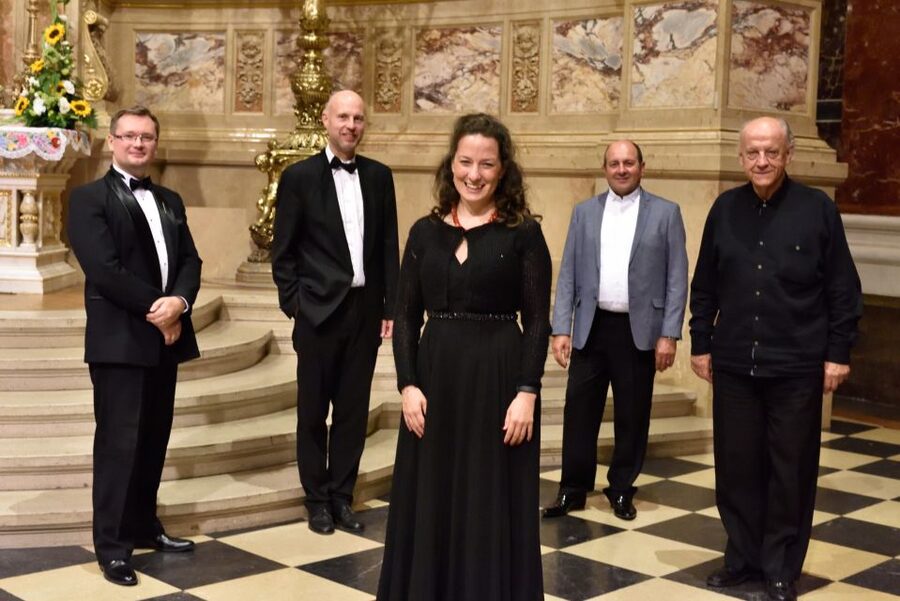
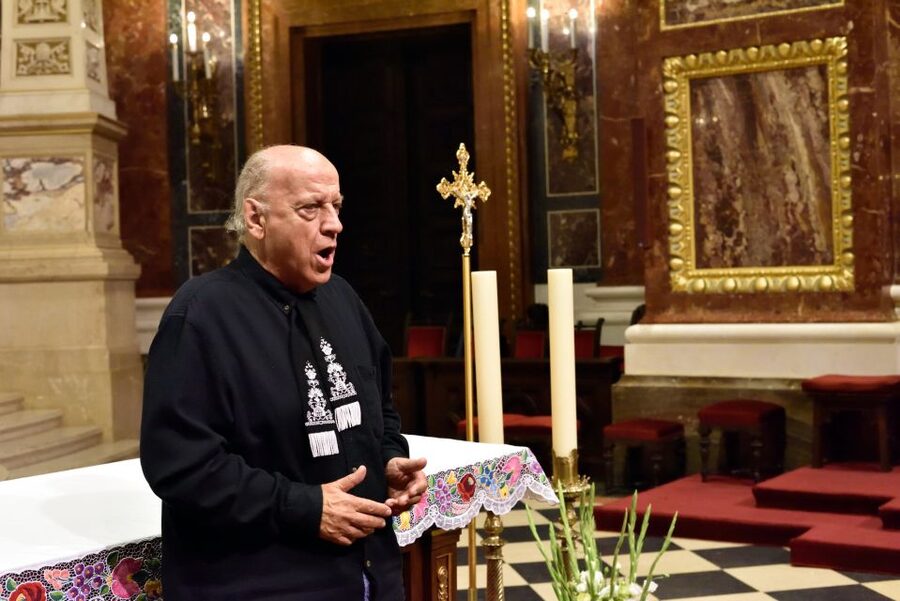
Kolos Kováts performs the arias. He is described as one of Hungary’s best-known and most accomplished concert and oratorio singers. His awards include the Liszt Ferenc Prize, Merit of Art, and Kossuth Prize, distinctions that give you useful context before you hear him.
The program also includes flute music by Eleonóra Krusic. She has performed with many orchestras in Hungary and abroad over the years. That flute element is welcome because it breaks up the organ and voice combination. Instead of one long block of similar sounds, you get a concert built around changing instrumental and vocal textures.
The supplied details do not identify which individual pieces include the flute, so you should not expect a precise flute-by-flute schedule. The important point is that Krusic’s performance forms a distinct part of the evening rather than serving as a minor aside.
Choosing between rows 1 and 26
Your ticket category is based on seating location:
- Category I: rows 1 through 6
- Category II: rows 7 through 16
- Category III: rows 17 through 26
Category I is the closest option and may suit you if seeing the performers clearly is a major part of the evening. It is also the most logical choice if you value proximity over price, although the actual cost is not provided here, so I cannot judge the exact difference between categories.
Category II offers a middle position. For many people, this is the sensible compromise: you are not in the closest rows, but you are also not at the back of the listed seating range.
Category III covers rows 17 through 26. This is the budget-minded choice if the setting and music matter more to you than being close to the performers. In a large basilica, the room itself remains part of the experience, so a farther seat does not automatically make the concert poor value. Still, you should choose Category I or II if visual proximity is important.
Because no seating map or view description is provided, I would avoid promising a particular sightline from any row. The categories tell you the row range, not the exact angle, spacing, or distance from the performers.
A few more trips worth weighing up before you book
- Budapest Danube Cruise and Dinner Options, Live Music and Dance
★ 4.5 · 7,428 reviews - Budapest: Evening Cruise including Drinks and Live Music
★ 4.1 · 5,512 reviews - Budapest: Candlelit Dinner River Cruise with Live Music
★ 4.7 · 2,154 reviews - Budapest: Dinner Cruise with Live Music and Folk Dance Show
★ 4.4 · 2,090 reviews
Is the concert good value?
The included item is the concert ticket. That makes the value fairly easy to understand: you are paying for a live performance in a major Budapest church, with a named organist, an award-winning Hungarian singer, and a professional flute performer.
The value improves if you already plan to spend an evening in central Budapest. You do not need to add a separate sightseeing trip to reach a distant venue, and the basilica itself gives the night a sense of place. The program also has enough variety to suit more than one musical taste. You get sacred-feeling organ music, operatic singing, classical slow pieces, and flute performance in one sitting.
The value is less clear if you are mainly looking for a full opera or a long guided visit to the basilica. This is a concert, not a tour of the building, and the ticket does not include pick-up or drop-off. Paid transport is available at an additional cost, but the basic arrangement requires you to reach St. Stephen’s Basilica yourself.
Since no ticket prices are supplied, compare the category cost with your priorities. Category III should be the practical choice for a lower-cost evening, while Category I makes more sense if you want the closest listed rows. The music and venue are the core purchase, not transportation or a broader Budapest sightseeing package.
Who should book this Budapest evening?
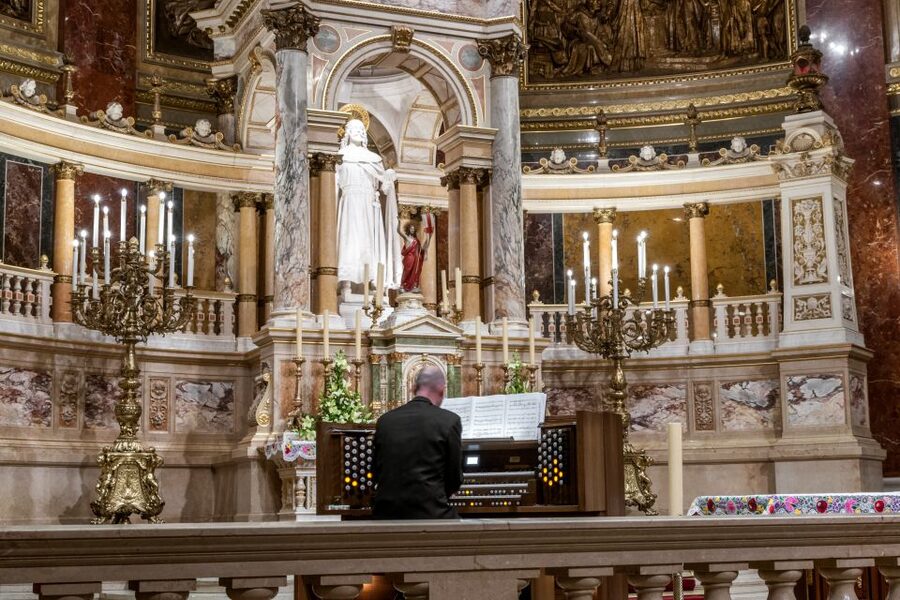
I would recommend this concert to you if you enjoy classical music but want a compact, place-specific event rather than a full day of sightseeing. It also suits an evening when you want to slow down after walking around Budapest. The basilica setting gives the program a stronger identity than a concert in an ordinary hall.
Opera fans should pay attention to Kováts’s role. His program includes Stradella and Verdi, so you get vocal drama without committing to a complete opera production. Bach fans have another reason to go, especially for the closing Toccata and Fugue in D minor.
This may be less suitable if you need a precise duration, a detailed seating map, or included transport. Those details are not provided. It is also not the right choice if you want a concert devoted to one composer, since the program ranges from Mozart and Stradella to Bach, with Liszt, Saint-Saëns, Albinoni, and Verdi in between.
Practical advice before you go
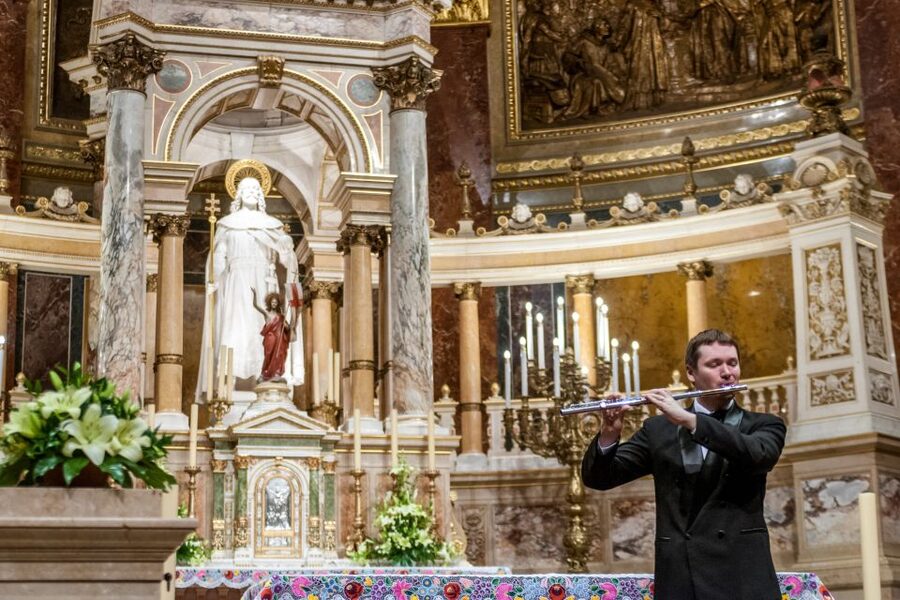
Plan around the 19:40 meeting time at St. Stephen’s Basilica. The venue is in central Budapest, but the information supplied does not include a transfer service in the standard ticket, so transport planning belongs to you.
Keep your ticket category in mind when choosing. Rows 1 to 6 place you in Category I, rows 7 to 16 in Category II, and rows 17 to 26 in Category III. If you are deciding mainly on value, start with the music and building, then decide how much being near the performers is worth to you.
Do not expect the program to be only organ music. The evening includes singing by Kováts and flute performance by Krusic, which is one of its best features. The organ remains central, but the changing performers help keep the selection from feeling repetitive.
Final verdict: should you book it?
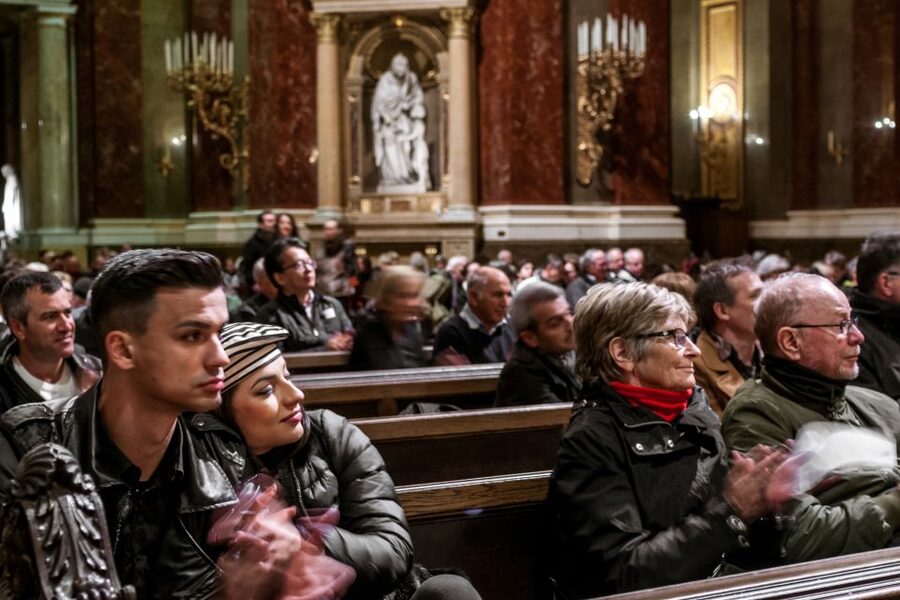
Book this concert if you want classical music in a striking Budapest setting and appreciate a program with several contrasting voices. St. Stephen’s Basilica, Bach’s closing organ work, and Kolos Kováts’s vocal performance are the strongest reasons to choose it.
I would select Category II for a balanced option, Category I if closeness matters most, and Category III if the church and music are more important than your exact seat. Skip it if you need included transport, a stated concert duration, or a full basilica tour. For an atmospheric evening built around organ, voice, flute, and famous classical works, it is a sensible Budapest choice.
FAQ
Where does the organ concert take place?
The concert takes place at St. Stephen’s Basilica in Budapest, Hungary.
What time should I arrive?
You should come to St. Stephen’s Basilica at 19:40.
Who performs the organ music?
Miklos Teleki is listed as the organ performer.
Who sings the arias?
Kolos Kováts performs the arias. He is a Hungarian concert and oratorio singer who has received the Liszt Ferenc Prize, Merit of Art, and Kossuth Prize.
Who performs the flute pieces?
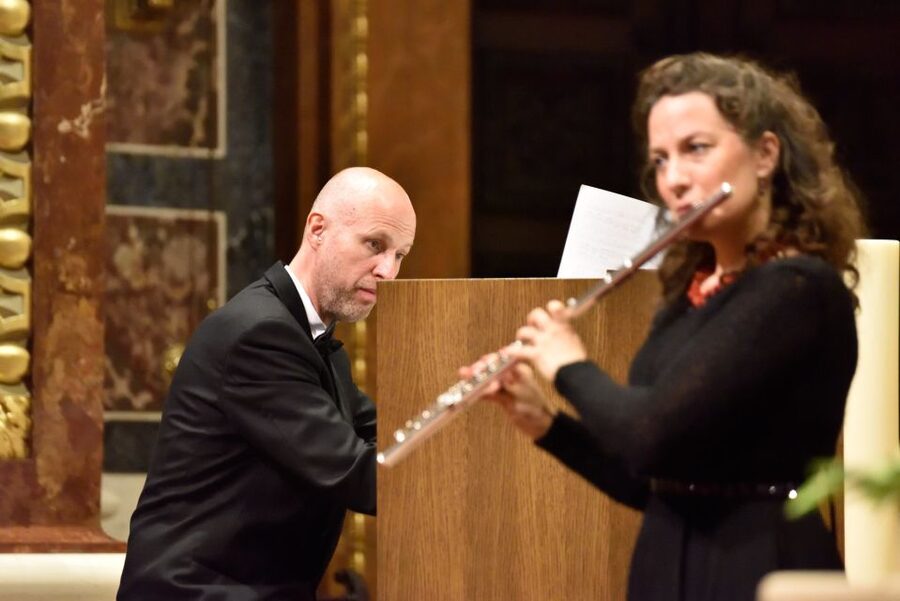
Eleonóra Krusic performs the flute part. She has played with orchestras in Hungary and abroad.
What music is included in the program?
The program includes works by Mozart, Stradella, Albinoni, Liszt, Saint-Saëns, Verdi, and Bach. It ends with Bach’s Toccata and Fugue in D minor, BWV 565.
What do the seating categories include?
Category I covers rows 1 to 6, Category II covers rows 7 to 16, and Category III covers rows 17 to 26. Concert tickets are included, while pick-up and drop-off cost extra.
Just added around Budapest
- Lake Balaton and Herend Guided Tour★ 4.7 · 3 reviews
- Audio visual multi-sensory chefs journey dinner experience★ 5.0 · 3 reviews
- Hollókő Ethnographic Village: Day Tour from Budapest★ 3.7 · 3 reviews
- Tapolca Cave Lake and Tihany/ Balaton private tour from Budapest★ 4.5 · 3 reviews
- Budapest Art Nouveau Walking Tour★ 5.0 · 3 reviews
- SzentEndre-SaintAndrew City Privately Shopping and Picturesque★ 4.5 · 3 reviews
- Budapest Drinks and Piano Show Cruise★ 4.5 · 3 reviews
- Horseshow on the Hungarian Puszta, private tour from Budapest with entry!★ 5.0 · 3 reviews
Parliament & Basilica Tickets, compared.
St. Stephen’s Basilica Entry with Terrace Option
What we thought →
Parliament Building Entry Ticket and Audio Guide
What we thought →
Classical Music Concerts in St Stephen’s Basilica
What we thought →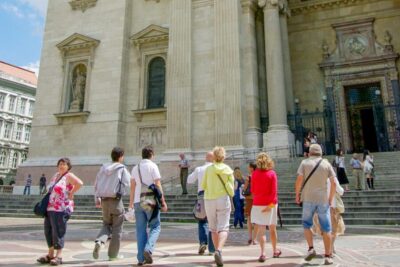
Guided Tour of the Parliament Building in Spanish
What we thought →
Skyline Sightseeing Cruise with Parliament View
What we thought →
Browse the lists this tour appears in