Reviewed · HALF-DAY
Budapest Half-Day Tour: Life Behind the Iron Curtain
The past is still visible in Budapest. This private tour brings Hungary’s Cold War story to life through the Citadella, the Terror Museum, and Memento Park, with a guide explaining how war, Soviet rule, and everyday life shaped the city. I like the strong mix of indoor and outdoor stops, and I also like having a private van and guide for a subject that can be hard to understand on your own. The main point to check is timing: the tour is described as five hours, while one transport detail shows 6.83 hours, so confirm the exact schedule before booking.
I especially like the way this experience connects large political events with visible monuments. You see the Liberty Statue high above Budapest, then face the statues of Marx, Lenin, and Communist leaders removed from the city center. The tour also includes the Terror Museum with an audio guide, which gives you time to take in difficult material at your own pace. Thomas received especially strong praise for his insight, and one private group found the tour excellent value.
In This Review
- Key points to know before booking
- Why Budapest’s Communist past needs a guided explanation
- The Citadella and the siege of Budapest
- The Terror Museum: a difficult but necessary visit
- Memento Park and Budapest’s removed statues
- The Children’s Railway adds a different memory
- Riding between stops in a private van
- Guide quality and language choices
- Is the $511 group price a good value?
- Who should book this Budapest history tour?
- Should you book it?
- FAQ
- How long does the tour last?
- What locations does the tour visit?
- Is the tour private?
- Is hotel pickup available?
- Which languages are available?
- Is Memento Park admission included?
- What should I bring?
Key points to know before booking
- The Citadella links World War II and Soviet occupation: Learn how the siege of Budapest became part of the story of Hungary’s postwar control.
- The Liberty Statue changed meaning: Built to honor Soviet troops, it is now understood as a broader symbol of freedom.
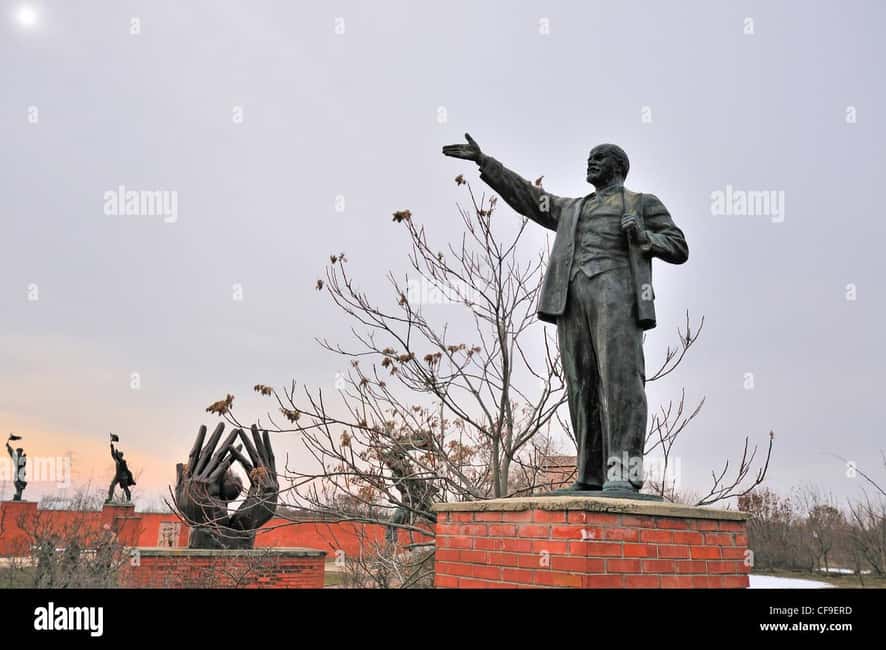
- Memento Park holds 42 Communist-era works: See Marx, Lenin, Ostapenko, and the six-meter Liberation Army Soldier outside the city center.
- The Terror Museum adds personal weight: An audio guide helps explain the suffering connected with Hungary’s Communist period.
- The group is private and limited to six people: You can ask questions and spend your time more flexibly than on a large coach tour.
- The final stop is lighter in tone: A ride on the Children’s Railway recalls the Pioneer movement and children’s role in the former system.
Why Budapest’s Communist past needs a guided explanation
Budapest can look grand, modern, and thoroughly European on a first visit. The Iron Curtain period is less obvious unless you know where to look. A few statues, memorials, and Soviet-era structures can seem like isolated sights. Put together, they tell a clear story about occupation, ideology, resistance, memory, and the way Hungary has chosen to remember its past.
I think a guide matters here because the symbols changed meaning over time. A statue once built for Soviet power may now represent freedom. A monument removed from a prominent square may survive as a historical object in a museum park. Without context, you see concrete and stone. With context, you see arguments about power and memory.
This tour is not simply a sightseeing loop. It is a concentrated lesson in how Budapest lived through the end of World War II and the decades that followed. The subject is serious, but the route ends with the Children’s Railway, giving the day a more human and less grim finish.
The private format helps. Your guide can explain terms, answer questions, and adjust the conversation to your interests. Since the group can include up to six people, the $511 price makes more sense for a family or small party than for one person. Split among six, it is about $85 per person before any extra admission costs. For two people, the same price feels much heavier.
A few more trips worth weighing up before you book
- Countryside Half-day Gastro-Wine Tour from Budapest Meal & pickup
★ 5.0 · 1,450 reviews - Budapest Private Tuk Tuk Half-Day Tour
★ 5.0 · 606 reviews - From Budapest: Szentendre Half-Day Tour
★ 4.2 · 338 reviews
The Citadella and the siege of Budapest
The tour begins at the Citadella on Gellert Hill, one of Budapest’s key viewpoints and memorial sites. Here you learn about the siege of Budapest near the end of World War II, a period that marked the beginning of the country’s occupation story.
That sequence is important. The tour does not treat Communist rule as something that appeared without warning. It first places you in the wartime destruction and political upheaval that made postwar Soviet control possible. I find that framing useful because it connects military history with the decades of daily life that came after.
The Liberty Statue is the main visual marker on Gellert Hill. It was erected in 1947 and originally dedicated to Soviet troops. The pedestal rises 26 meters, with the statue itself adding another 14 meters. According to the tour information, it is probably the tallest monument of its kind in Europe.
Its meaning has changed. What began as a tribute to Soviet forces is now treated as a universal symbol of freedom and remains a major feature in Budapest’s panorama. That shift is one of the most interesting ideas on the tour. You are not only looking at a monument. You are seeing how a country can reinterpret a public symbol after political change.
Bring your passport or identity card. It is listed as something you should carry for the activity. Also expect a mixture of vehicle time and walking. Comfortable shoes are sensible, especially since the Citadella and Memento Park are not simply quick curbside photo stops.
The Terror Museum: a difficult but necessary visit
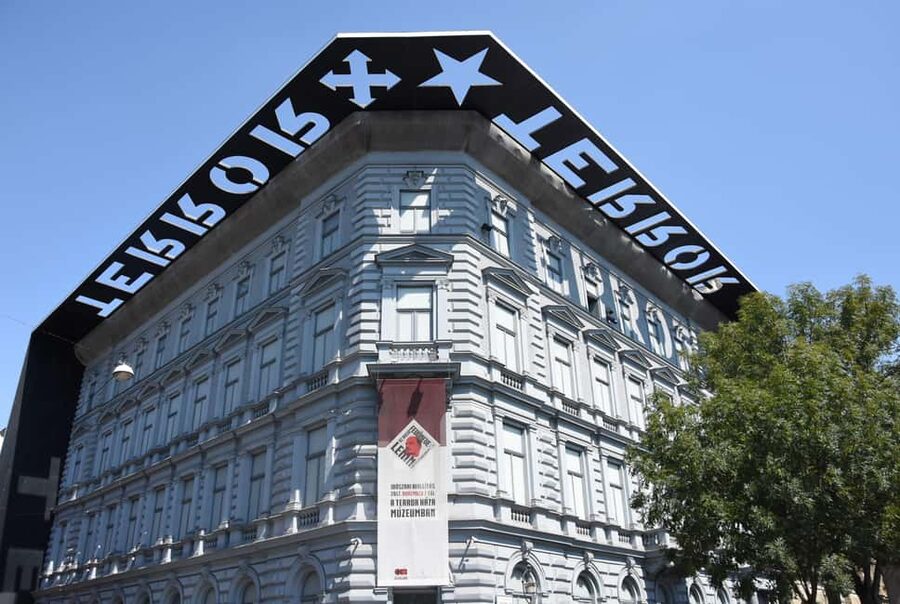
The Terror Museum, also called the Terror House in the tour description, is dedicated to people who suffered under Hungary’s Communist era. The audio guide is included for this stop, giving you a structured way to move through the material.
I would allow yourself some mental space here. This is not a light museum about old political slogans. Its subject is repression and the people caught in it. The museum helps balance the large statues and viewpoints with the effects of government power on individual lives.
The audio guide is useful because it gives you information while you examine the displays. You are not dependent entirely on a guide speaking beside you, and you can pay closer attention to the parts that matter most to you. At the same time, an audio guide can make the visit feel more solitary than a spoken tour. If you prefer discussion, save your questions for the guide afterward.
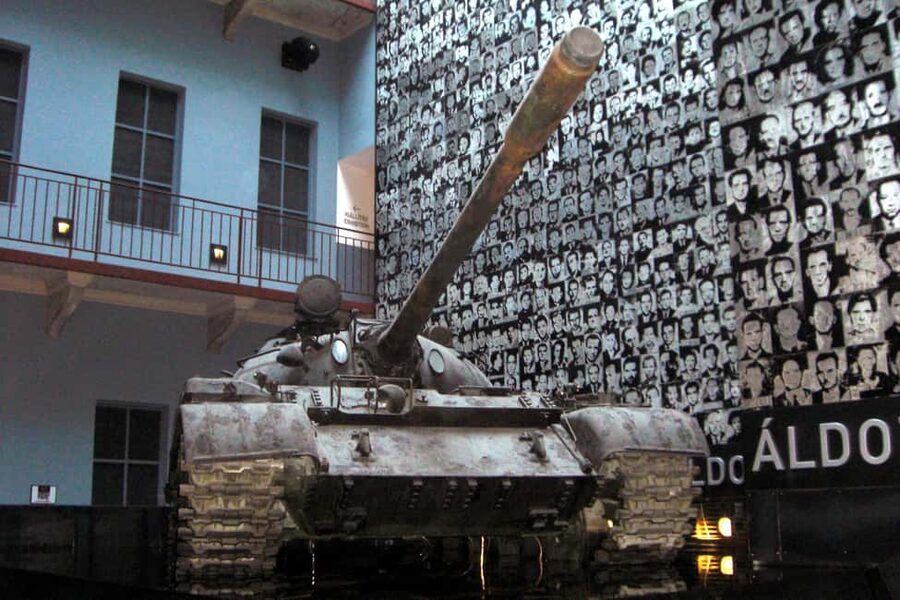
The Terror Museum is one of the tour’s strongest stops for understanding what life behind the Iron Curtain meant beyond international politics. The Citadella explains the setting and the shift in power. The museum brings the subject down to the level of victims and personal suffering.
Some people may find the museum emotionally demanding. That is not a flaw, but it is a reason to think about the balance of your day. This tour covers war, occupation, dictatorship, and political violence in a short period. The later railway ride helps, but the central portion is serious.
Memento Park and Budapest’s removed statues
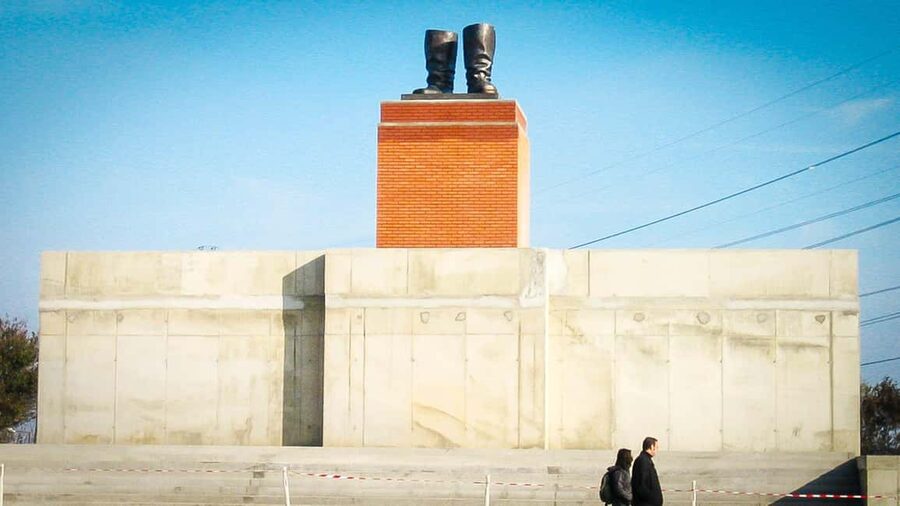
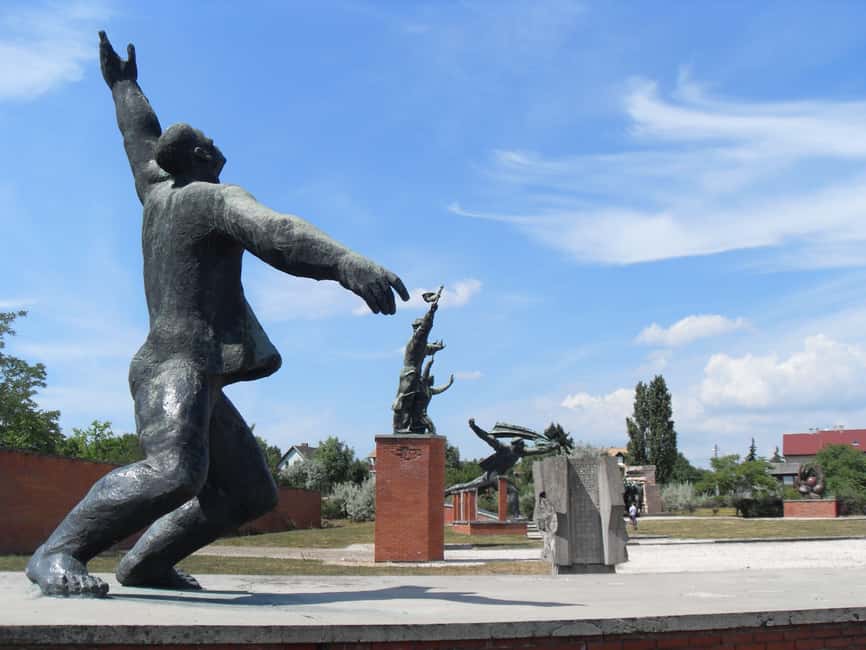
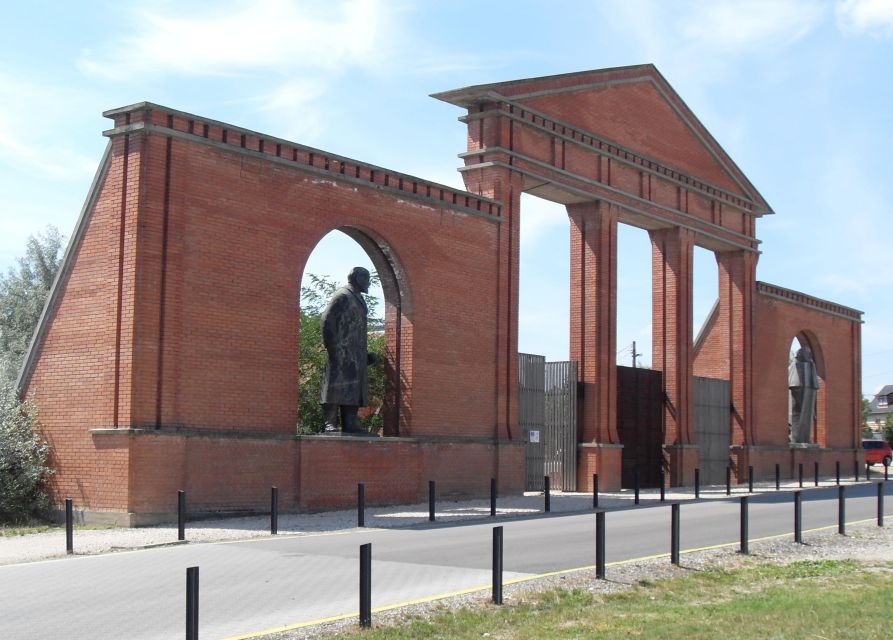
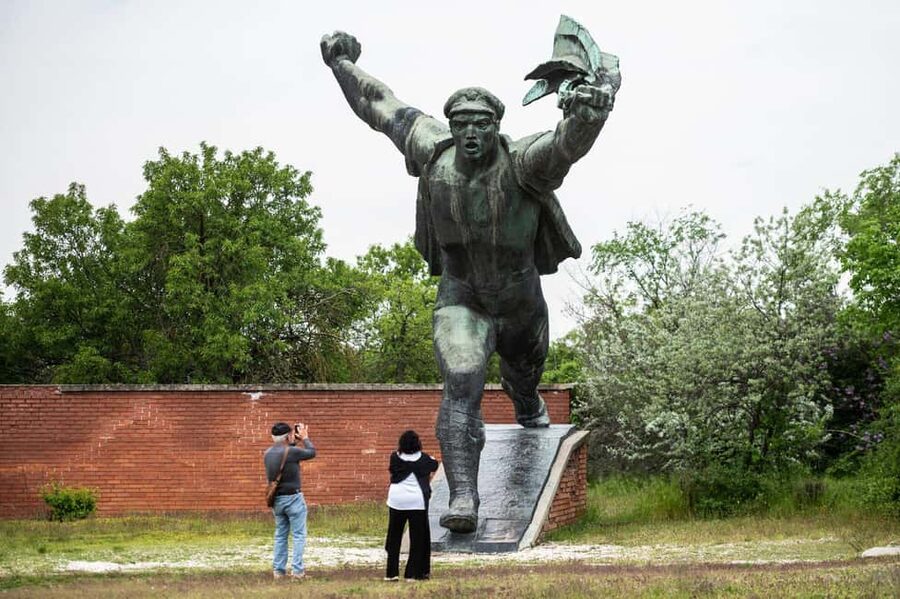
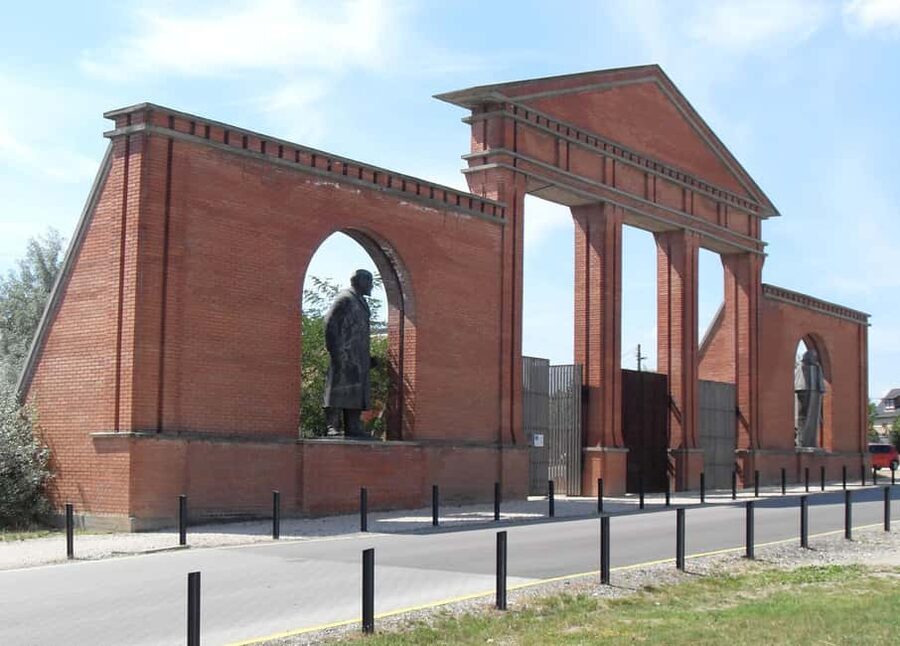
Memento Park is the clearest place to see how Budapest dealt with Communist monuments after the political system changed. Statues once placed in public spaces were moved out of the city to this open-air museum.
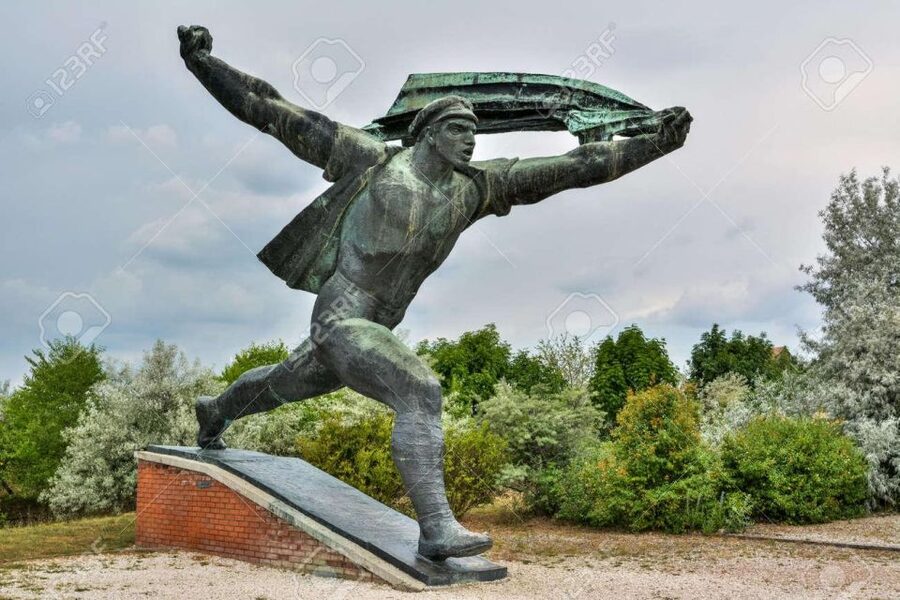
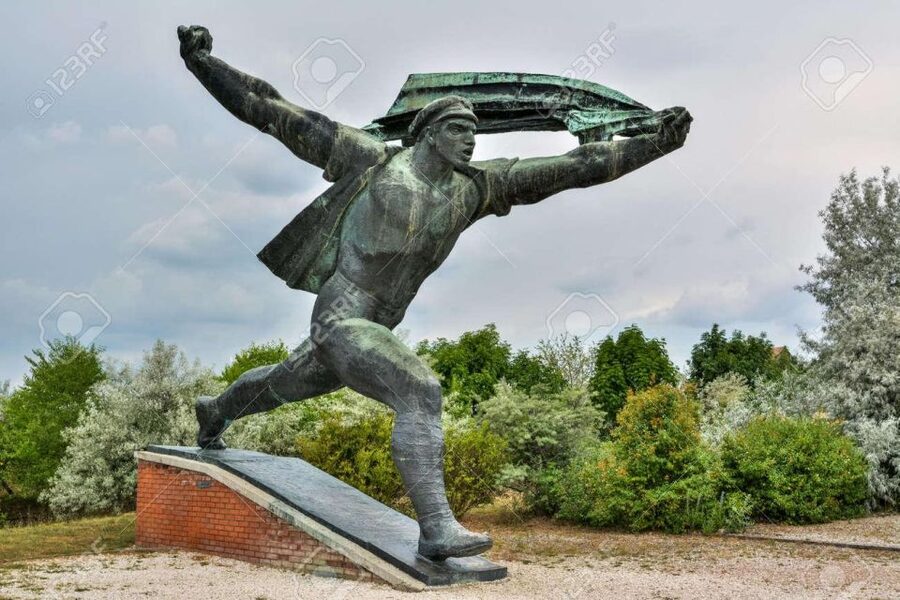
The collection contains 42 pieces. You can see statues of Marx, Lenin, and Ostapenko, along with the Memorial of Hungarian-Soviet Friendship and other works created between 1945 and 1989. The six-meter-high statue of the Liberation Army Soldier is one of the largest pieces in the collection.
I like Memento Park because it lets you study propaganda as an object rather than encounter it as an active public message. In their original locations, these works helped promote a political system. In the park, they become evidence of how that system presented itself.
The setting also changes your response to the statues. They are no longer competing with traffic, government buildings, or daily city life. You have room to compare their scale, poses, and messages. A guide can point out who the figures represent and why the monuments mattered.
One particularly useful part of the visit is the contrast between the central Budapest you know from postcards and this collection outside the old civic setting. The monuments did not disappear. They were given a new role. That makes Memento Park more than a display of old sculpture. It is a place where political memory has been rearranged.
The cost details deserve attention here. Entry to Memento Park is included, but the general inclusion list also says entry fees are not included. Since the Terror Museum and other possible admissions may involve separate charges, ask the provider exactly which tickets are covered. Do not assume every admission mentioned in the route is part of the $511 price.
A completely different kind of day out around Budapest:
- Budapest: City Highlights Cruise with Welcome Drink
★ 4.6 · 35,610 reviews - Budapest: Unlimited Prosecco, Beer and Aperol Spritz Cruise
★ 4.8 · 25,310 reviews - Budapest: Széchenyi Spa Day Ticket with Optional Upgrades
★ 4.3 · 23,911 reviews - Budapest: Nighttime or Daytime Sightseeing Cruise
★ 4.2 · 21,062 reviews
The Children’s Railway adds a different memory
The final stop is a ride on the Children’s Railway in the Buda hills. It originally opened in 1949 as the Pioneer’s Railway and was operated by children aged 10 to 14.
After the heavy subject matter at the Terror Museum and Memento Park, this is a welcome change of tone. It shows how the former system reached into youth organizations and everyday civic life. The railway was not only transport. Its name and staffing reflected the political culture of the period.
I like the choice of ending. A tour about dictatorship could easily finish with another monument or a solemn memorial. The railway gives you a more ordinary, even cheerful memory connected with the same era. It also helps show that political systems are experienced through institutions, clubs, work, education, and childhood, not only through official statues.
The supplied information does not clearly state that the railway ticket is included. Since lunch and entry fees are listed as excluded, check this before you go. The same advice applies to any admission beyond Memento Park.
Riding between stops in a private van
The tour uses a van between locations and includes pickup from your Budapest accommodation or another agreed point. Pickup and drop-off options cover District XI, District V, and District VII, which include central areas of the city.
A private van is a practical advantage for this route. The sights are spread across Budapest, and a private vehicle saves you from working out separate public transport connections during a short visit. You also return to the same vehicle between major stops rather than carrying your plans from one part of the city to another.
The experience is partly vehicle-based and partly on foot. That combination came through clearly in the strongest feedback, which described a private tour with both van travel and walking. Plan for shoes that can handle several stops, and bring identification as requested.
The published duration is five hours, with starting times subject to availability. One itinerary line displays a van duration of 6.83 hours, which does not match the half-day description. I would treat the five-hour figure as the main advertised duration, but confirm the actual pickup and return times before you commit to another activity.
Pickup at your accommodation is particularly helpful if you are staying in one of the listed districts. If you are elsewhere, agree on a meeting place in advance. The tour is wheelchair accessible, another practical benefit for visitors who need an accessible arrangement.
Guide quality and language choices
A private history tour rises or falls with the guide. Here, Thomas received especially warm praise for giving strong insights and making the private format worthwhile. That matters because the subject requires more than naming statues. You need someone who can explain why each monument was built, how its meaning changed, and how the stops connect.
The tour is offered with live guides in English, Spanish, Italian, German, Russian, French, and Portuguese. Choose the language in which you can comfortably discuss political history and ask follow-up questions. A tour about slogans and symbols loses value if you are only catching half the explanation.
I would also use the private format actively. Ask how the Liberty Statue was reinterpreted, why the Communist monuments were removed, and how the Pioneer’s Railway fit into the former system. The more questions you bring, the more useful a private guide becomes.
The best feedback highlights two things: depth and value. The tour was described as an in-depth look at life under Communist rule, with Memento Park and the Terror Museum singled out as essential parts. That matches the structure of the experience. It gives you several ways to approach the subject instead of repeating the same type of memorial at every stop.
Is the $511 group price a good value?
At $511 for a private group of up to six, this is not a budget sightseeing tour. The price makes the most sense when shared by a family or small group that wants private transport, a guide, and a focused subject.
For six people, the cost works out to roughly $85 each. For four, it is about $128 each. For two, it is about $256 each, before any excluded entry fees or lunch. If you are alone, I would compare the price with a public history tour or independent visits.
Value also depends on what you want from Budapest. If you only want the city’s main architectural sights, this route may feel too specialized. If you want to understand the 20th century and prefer someone to connect the pieces for you, the private format is easier to justify.
Memento Park admission is included. Other entry fees and lunch are not. Ask for a full cost breakdown before booking, especially if the Terror Museum or Children’s Railway requires a separate ticket on your date.
You can cancel up to 24 hours ahead for a full refund, and the reserve-now, pay-later option keeps your plans flexible. Those policies reduce the risk of booking early, though they do not change the base price.
Who should book this Budapest history tour?
I would recommend it to anyone with a serious interest in World War II, Soviet occupation, Communist rule, public monuments, or modern Hungarian identity. It also suits visitors who want a guide to handle transport between scattered sights.
Families can benefit from the private setup, especially if some members need more explanation or a slower pace. The Children’s Railway gives younger visitors one part of the day that is easier to enjoy, though the Terror Museum may be heavy for children.
This is also a good choice if you have already seen Budapest’s major central sights and want a different angle. It moves beyond churches, bridges, and grand facades to the political forces that shaped the city in the 20th century.
I would hesitate if you dislike museums about political violence or want a relaxed morning. The subject is demanding, and the tour packs several serious themes into a short time. I would also hesitate if you are booking alone and cannot spread the group price.
Should you book it?
Book this tour if you want context rather than a quick collection of monuments. The Citadella, Terror Museum, Memento Park, and Children’s Railway create a strong arc from wartime siege to Communist rule, public propaganda, personal suffering, and everyday youth culture.
The best reasons to book are the private guide, the van transfers, the included Memento Park admission, and the chance to ask questions throughout the day. Thomas’s praised guidance suggests that the experience can offer more than a standard route when the guide uses the time well.
Before paying, confirm the exact duration, which entry fees are included, and whether the Children’s Railway ride costs extra. If you are a group of four to six, the value is much stronger. If you want to understand the Budapest behind the postcards, this is a focused and worthwhile half-day.
FAQ
How long does the tour last?
The experience is advertised as five hours. One transport detail displays 6.83 hours, so confirm the exact schedule and return time before booking.
What locations does the tour visit?
The route includes the Citadella and Liberty Statue, the Terror Museum, Memento Park, and a ride on the Children’s Railway in the Buda hills.
Is the tour private?
Yes. It is a private group experience for up to six people.
Is hotel pickup available?
Yes. Pickup is available at your Budapest accommodation or another agreed location. Listed pickup districts include District XI, District V, and District VII.
Which languages are available?
Live guiding is available in English, Spanish, Italian, German, Russian, French, and Portuguese.
Is Memento Park admission included?
Yes. Entry into Memento Park is included. However, the activity information also says entry fees are not included generally, so confirm which other admissions are covered.
What should I bring?
Bring your passport or identity card. Lunch is not included, so plan for that separately.
Just added around Budapest
- Lake Balaton and Herend Guided Tour★ 4.7 · 3 reviews
- Audio visual multi-sensory chefs journey dinner experience★ 5.0 · 3 reviews
- Hollókő Ethnographic Village: Day Tour from Budapest★ 3.7 · 3 reviews
- Tapolca Cave Lake and Tihany/ Balaton private tour from Budapest★ 4.5 · 3 reviews
- SzentEndre-SaintAndrew City Privately Shopping and Picturesque★ 4.5 · 3 reviews
- Budapest Art Nouveau Walking Tour★ 5.0 · 3 reviews
- Budapest Drinks and Piano Show Cruise★ 4.5 · 3 reviews
- Horseshow on the Hungarian Puszta, private tour from Budapest with entry!★ 5.0 · 3 reviews
Half-Day, compared.
Countryside Half-day Gastro-Wine Tour from Budapest Meal & pickup
What we thought →
Budapest Guided Half-Day Grand City Tour with Parliament Visit
What we thought →
Budapest Gödöllő Palace Royal ‘Sisi’ Residence Half-Day Tour
What we thought →